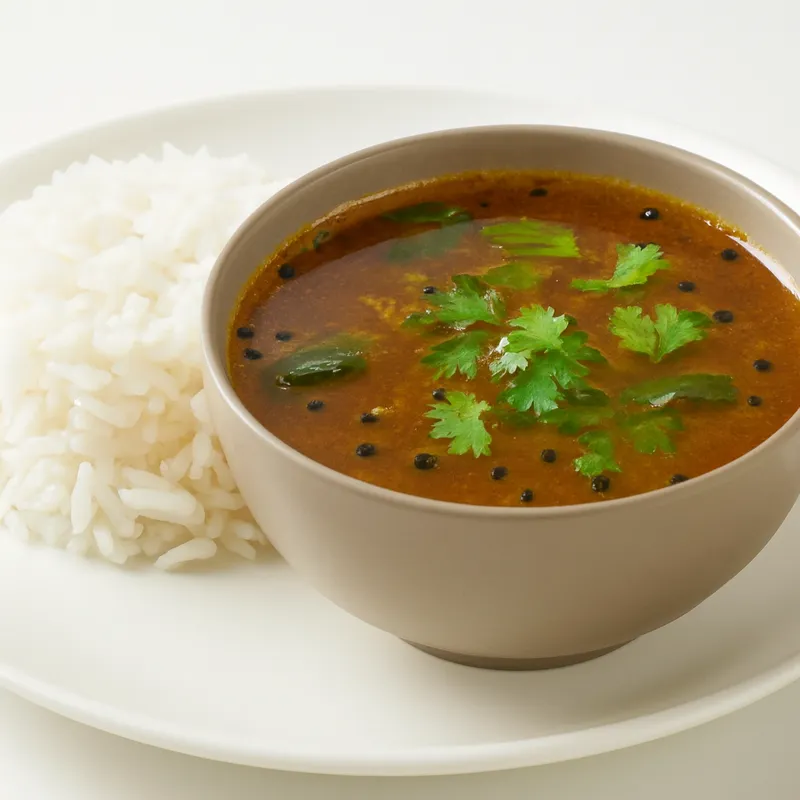
Kashmir's iconic salted pink tea: gunpowder green tea is boiled down with a pinch of baking soda to a dark red concentrate, then aerated and combined with hot milk and salt to turn it the characteristic pink. Savory rather than sweet, it is drunk morning and evening with traditional bread, and is a daily ritual of the valley.





Noon chai (sheer chai, namkeen chai, gulabi chai) is the traditional tea of the Kashmir Valley, drunk morning and evening in nearly every Kashmiri household, both Muslim and Pandit, alongside a piece of traditional bread like lavasa, girda, or bakarkhani. Its name states its defining seasoning: noon (nun) is Kashmiri for salt, and unlike almost any other tea in South Asia, this one is savory, not sweet. The tea itself is gunpowder green tea, historically imported, and its striking pink color is not the result of a special leaf but of a deliberate chemical reaction: the tea is boiled down for a long time with a pinch of baking soda (sodium bicarbonate), which raises the pH and oxidizes the tea's flavonoids into dark-red thearubigins; this dark red concentrate is then aerated by pouring it back and forth between vessels, and finally combined with hot milk, whose fat and casein turn the dark red into the characteristic pink. Oral tradition holds that the drink came to Kashmir from Turkestan along the old Yarkand trade route, where a related atkan chai is still made. The brewing is traditionally done in a samovar, and the long, slow process is part of the daily rhythm of the valley.
Savory, creamy, faintly nutty and salty, with a smooth, buttery mouthfeel and none of the astringency of an unsweetened plain tea.
The pink color is a two-step chemistry. First, the baking soda (sodium bicarbonate) raises the boiling tea's pH, which accelerates the oxidation of the green tea's catechins into thearubigins — the same dark-red oxidation products that give black tea its color — so the long-boiled concentrate turns a deep red rather than staying green. Second, when this dark-red, aerated concentrate meets hot milk, the milk's casein micelles and fat globules scatter light in a way that turns the dark red visually pink; the aeration step, pouring the concentrate back and forth, both introduces oxygen and creates a stable foam that enhances the color and the creamy texture. The salt is more than seasoning — it suppresses the bitterness that the long-boiled tea would otherwise have, making a heavily extracted tea palatable, which is why this is one of the few teas boiled rather than steeped. The result is a savory, smooth, faintly nutty drink unlike any other in South Asia.
Variations
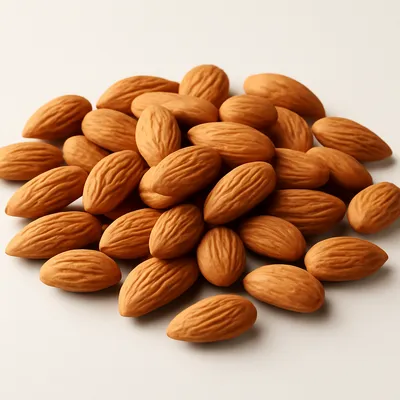
A pinch of sugar is sometimes added despite the salt; cardamom or a few nuts garnish the cup, and the strength of the baking-soda reaction varies by household preference.
On the Palate
Where Noon Chai sits in the Indian flavor cloud
Ingredients
Serves 4How it's made
6 steps · 10 min
- 115 min
In a samovar or heavy pan, boil gunpowder green tea with water and a pinch of baking soda for 15–20 minutes, until the liquid turns a deep red concentrate.
Watch outBoil the green tea with baking soda a full fifteen to twenty minutes until it turns a deep red concentrate — that long boil is what oxidizes the tea to give the final pink; stop early and it stays green.
- 25 min
Add a splash of cold water and aerate the concentrate by pouring it back and forth between two vessels until it foams.
- 35 min
In a separate pan, heat milk with crushed green cardamom.
- 43 min
Strain the red concentrate into the hot milk and stir gently until the color turns pink.
Watch outStrain the red concentrate into the hot milk and stir — the moment the milk hits, the dark red turns visibly pink; a thin or under-boiled concentrate gives a dull greyish tea.
- 55 min
Add Kashmiri pink salt to taste and a small pinch of sugar if using, then simmer a few minutes.
- 62 min
Pour into cups, garnish with slivered almonds if liked, and serve hot with bread.
Archive tool suggestions — not reviewed
These legacy suggestions have not been evidence-reviewed and are not presented as required tools.