

Kashmiri
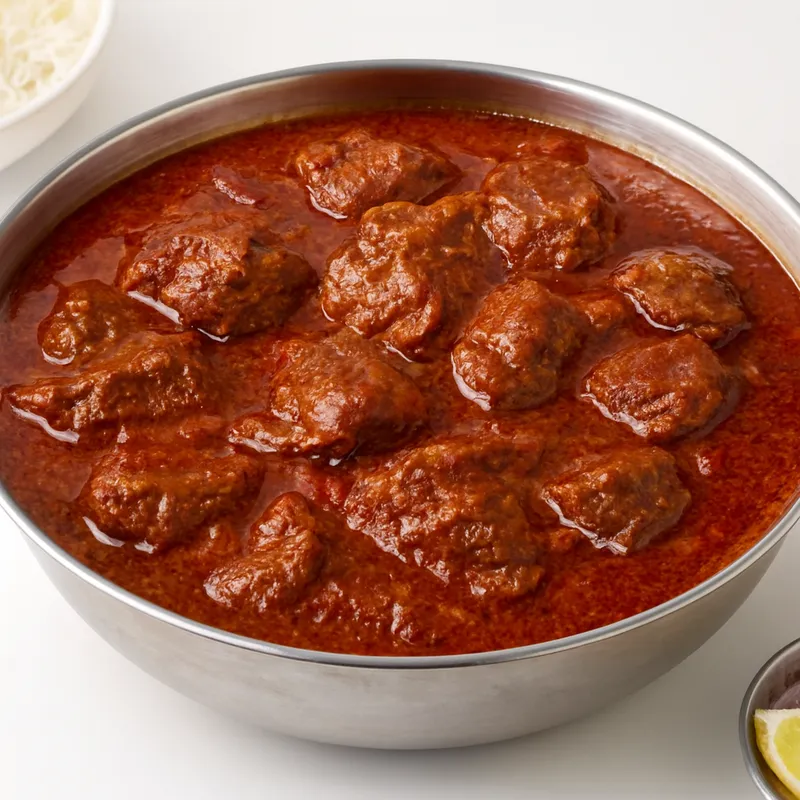
Rogan Josh: slow-cooked lamb, aromatic.
Rogan Josh
A slow-cooked lamb dish rich with Kashmiri red chili and saffron, symbolizing the Persian influence in Kashmiri cooking.
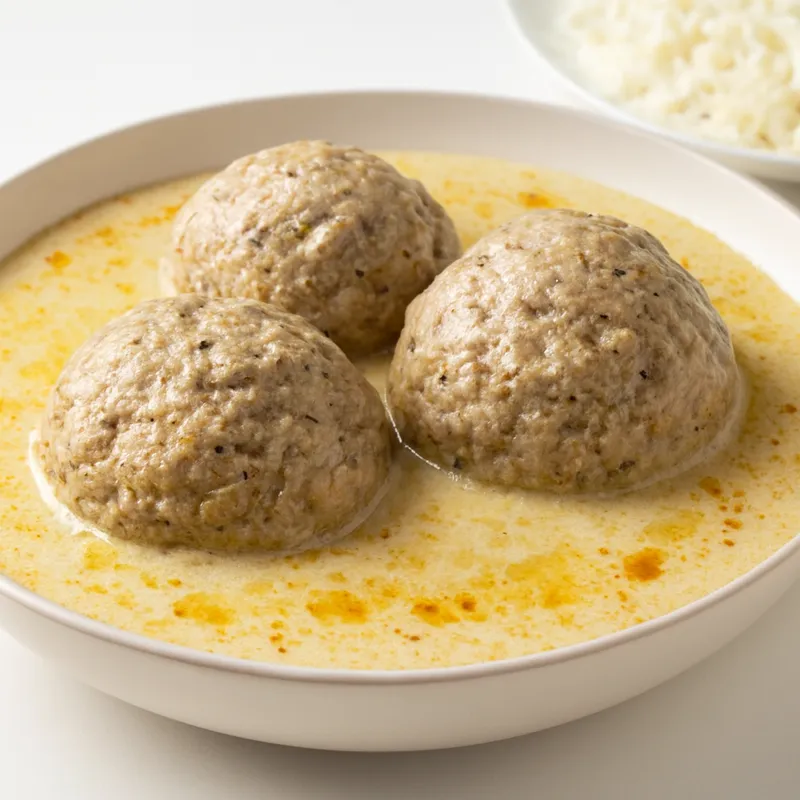
View page →Imagine sitting in a sunlit Kashmiri garden, the air heavy with the scent of saffron and cardamom. A thali beckons with dishes of deep reds and creamy whites, each bite a sweep of textures and flavors. The slow-cooked Dum Aloo reveals tender baby potatoes drenched in a spiced yogurt-tomato gravy, a array of warmth and subtle heat. Beside it, Goshtaba, with its luxuriously soft mutton meatballs, offers a creamy contrast, its yogurt sauce a gentle play of spices. This is a table of depth, where each dish tells a story of the land's bounty.
Within India's regional kitchens, Kashmiri cuisine stands apart with its distinct use of yogurt as a primary base, an influence of the region's cool climate. The slow-sealed cooking method of 'dum' locks in flavors, creating dishes like Rogan Josh that are as much about aroma as taste. Saffron, Kashmiri chili, and fennel seeds form the backbone of its spice palette, providing warmth without overwhelming heat. This is a cuisine shaped by geography and history, where the chill of the mountains meets the warmth of spices, creating a harmony that is uniquely Kashmiri.
The Palate
Dishes to explore
Dum Aloo
The baby potatoes in Dum Aloo are fried before being slow-cooked, infusing them with layers of flavor.
Dum Aloo showcases the Kashmiri technique of 'dum', essential for understanding its culinary depth.
Goshtaba
Goshtaba features mutton meatballs that are incredibly tender, enveloped in a creamy, spiced yogurt sauce.
This dish centers on the balanced use of yogurt and spices, a hallmark of Kashmiri cuisine.
Rogan Josh
Rogan Josh's bright red color comes from Kashmiri chilies, offering warmth without overpowering heat.
Rogan Josh centers on the region's love of rich, aromatic dishes, central to Kashmiri dining.
The Pantry


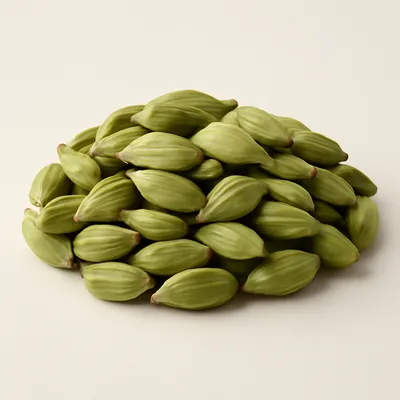
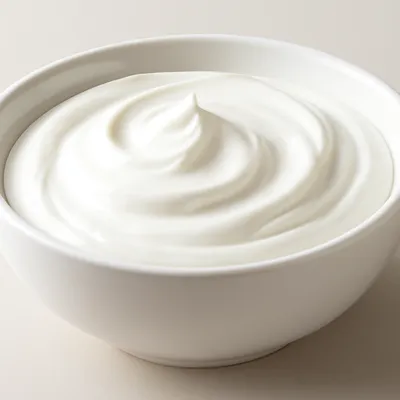
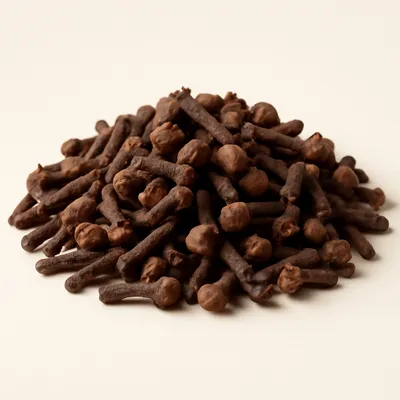
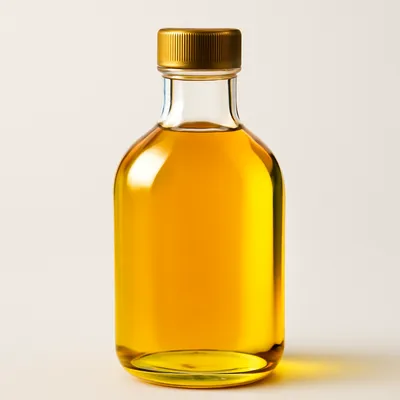
See all 75 ingredients›











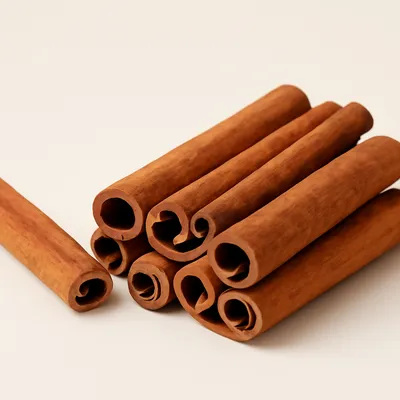
Herbs & Spices







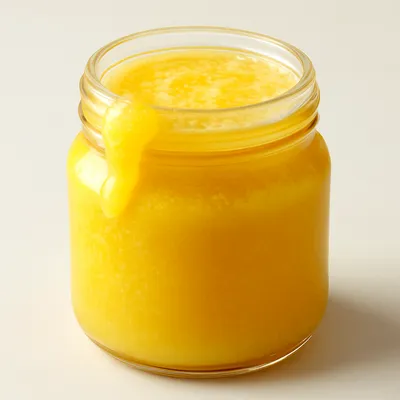
Dairy & Fats



Sauces & Condiments





How They Cook
Methods linked to dishes in this catalog
Related cuisines
Linked by ingredient records in this catalog
Other regions
Siblings within Indian — each its own tradition.