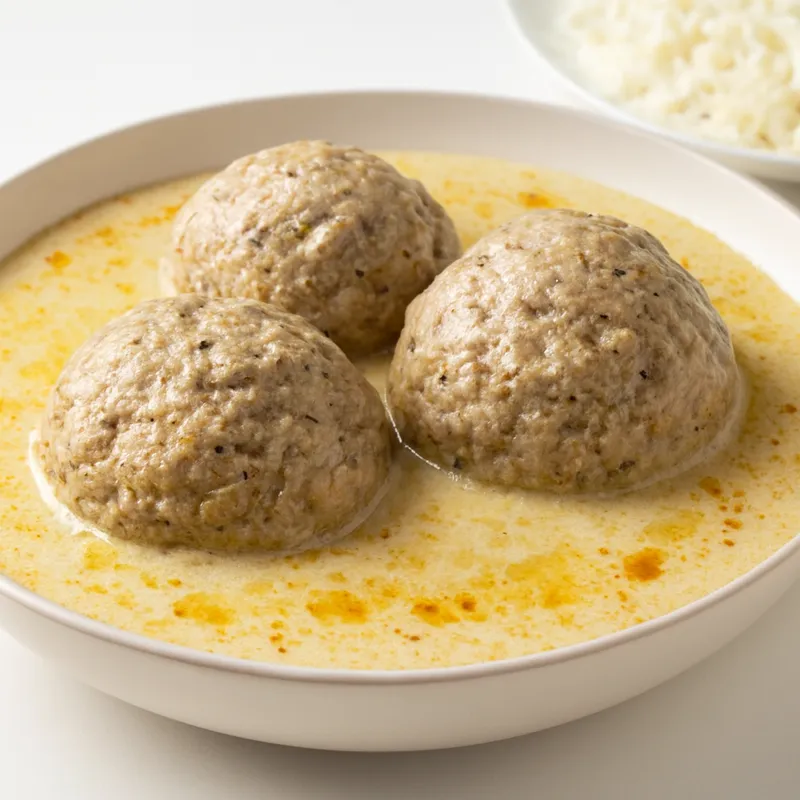
Luxuriously soft mutton meatballs, enveloped in a creamy yogurt gravy with a subtle warmth of spices.



A Wazwan dish from Kashmir's Wazas — the hereditary chefs of Persian-descended cooking guilds, traceable to Timur's 1398 invasion when craftsmen were brought to Samarkand and later resettled in Kashmir. Goshtaba is the 36-course Wazwan's traditional final dish; serving any course after it is considered an insult to the guest. The name comes from Persian gosht (meat) plus aab/ab (broth, gravy) — literally "meat in broth."
Wazwan's closing course — serve any dish after Goshtaba and you've insulted the guest. The meatballs are pounded on a flat stone with wooden mallets for 30-60 minutes, extracting myosin until the texture springs back like surimi. Name from Persian gosht plus -aba.
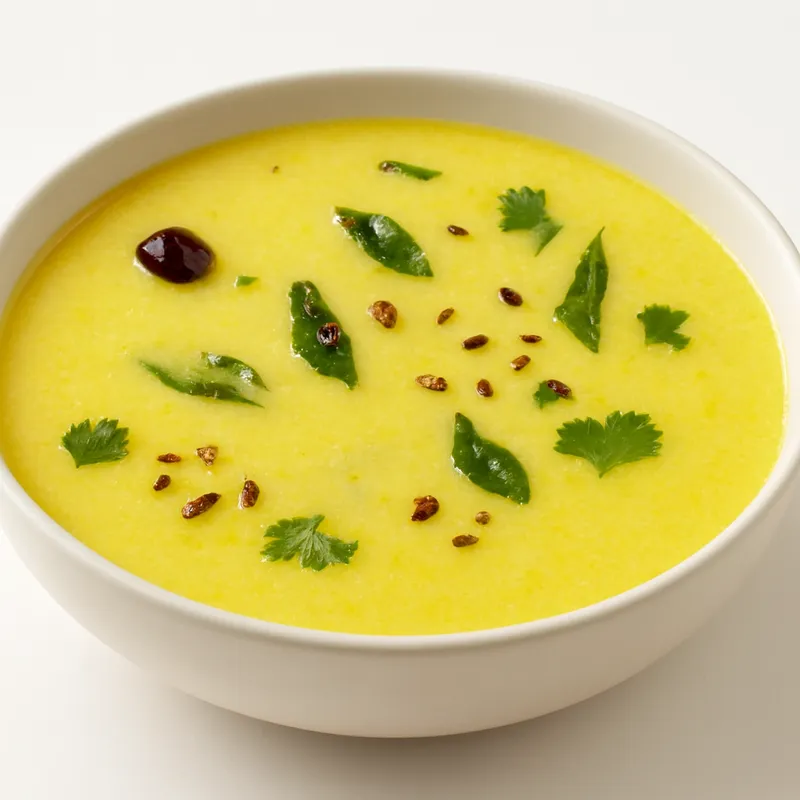
A pair of tennis-ball-sized mutton meatballs, smooth and bouncy, in a white yogurt-and-fennel gravy. The meatballs are dense but spring back like good meatloaf; cardamom and dried mint scent the broth. Eaten last in a Wazwan feast — by tradition, Goshtaba is the closing course, signaling the host's respect for the guest. Served over rice; the gravy is meant to be spooned, not mopped.
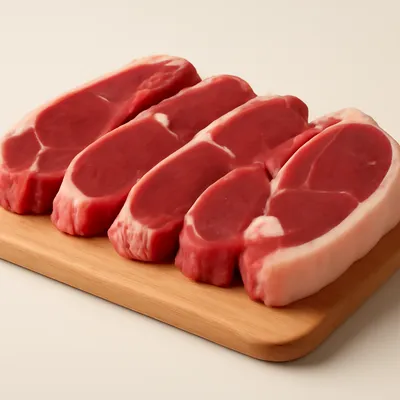
The meatballs are pounded, not minced — mutton plus mutton fat is beaten on a flat stone with wooden mallets for 30 to 60 minutes until it becomes a smooth elastic paste. The mechanical pounding extracts myosin (the protein that gives sausages and surimi their bounce), which is what makes Goshtaba spring back instead of crumbling. A food processor approximates the texture but never quite gets it; old Wazas can tell after one bite.
Variations
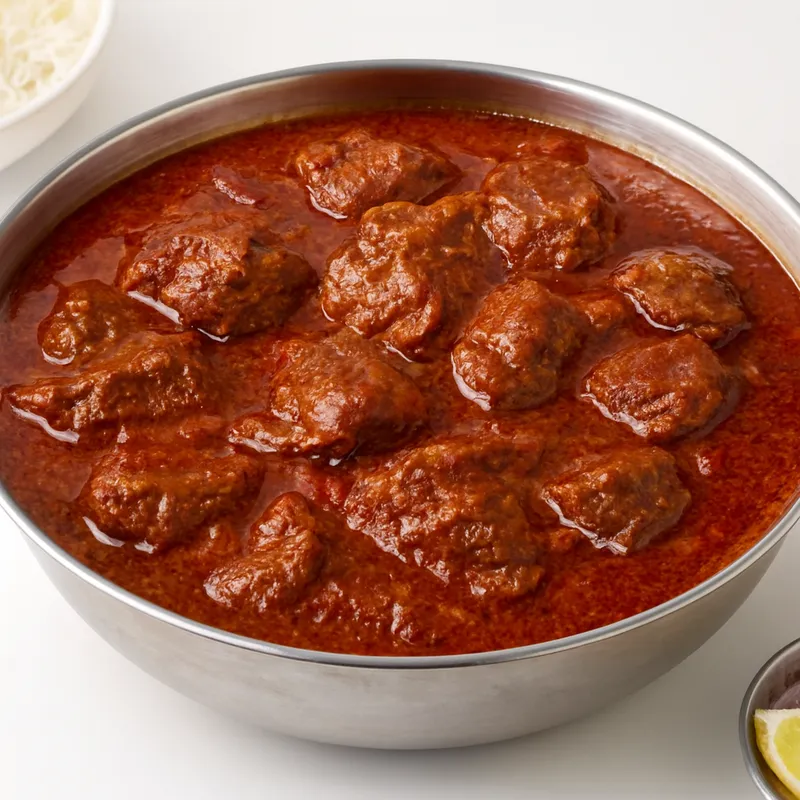
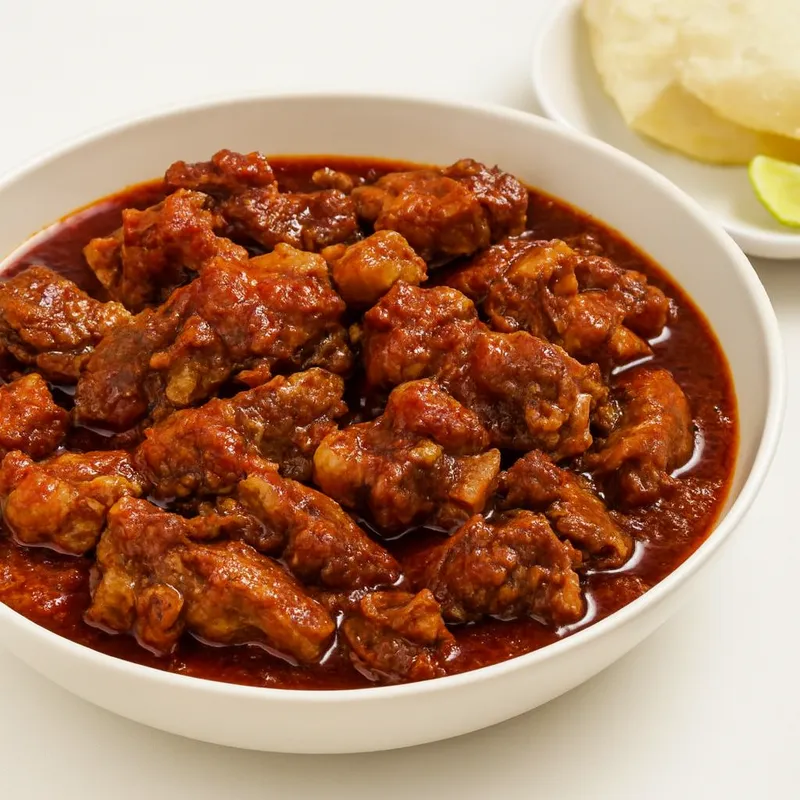
Goshtaba (white yogurt-fennel gravy, the closer); rista (red Kashmiri-chili gravy, same pounded meat); kofte yakhni (smaller meatballs, lighter broth); Lucknowi galouti uses papain instead of pounding for the same softness.
On the Palate
Where Goshtaba sits in the Indian flavor cloud
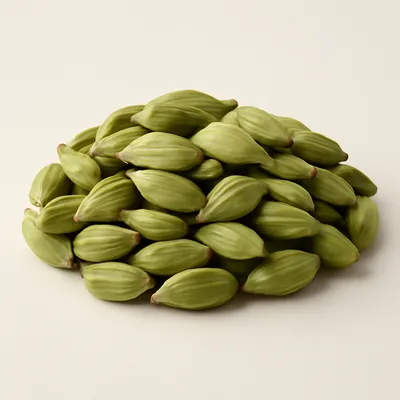
Ingredients

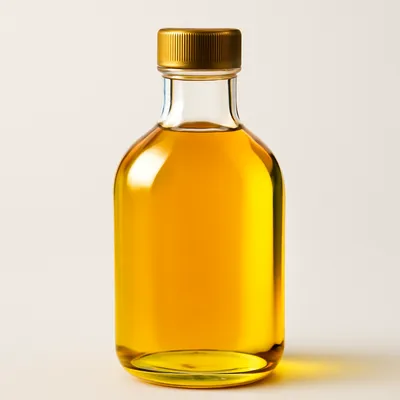


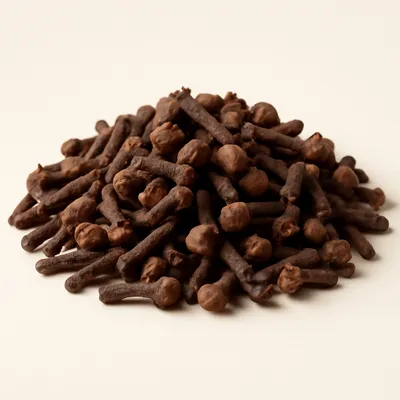



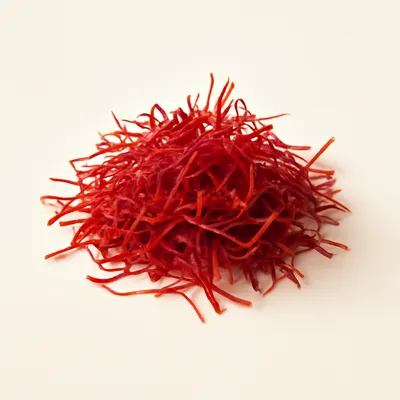


How it's made
5 steps · 55 min active + 1 hour waiting
- 130 min
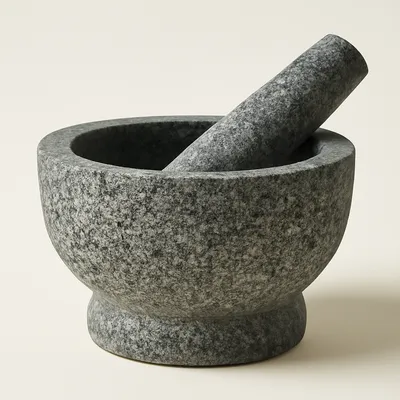
Begin by pounding mutton in a large mortar until it reaches a paste-like consistency. This process is crucial for the smooth texture of the meatballs.
Watch outStop only when the paste turns tacky and stretches in a thread off your fingers — grainy still means keep pounding.
- 210 min
Shape the pounded mutton into large, smooth meatballs, ensuring there are no cracks. This helps them hold together during cooking.
- 35 min
In a separate pot, heat ghee and mustard oil until shimmering. Add whole spices like cardamom, cinnamon, and clove, letting them release their fragrance.
Watch outThe whole spices should sizzle and turn fragrant within seconds; pull back the heat before they darken.
- 410 min
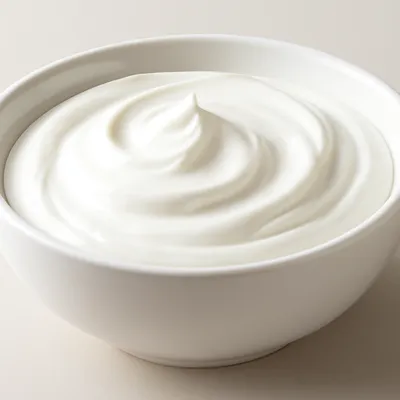
Add yogurt to the pot, stirring continuously to prevent curdling. Sprinkle in fennel powder and dry ginger powder, mixing until the spices are well incorporated.
Watch outWatch the yogurt go from streaky to glossy-smooth as you stir; that's when it's safe to stop and add the meatballs.
- 560 min
Gently place the meatballs into the yogurt gravy. Simmer on low heat, allowing the meatballs to cook through and the gravy to thicken, stirring occasionally.
Watch outGravy is ready when it coats the back of a spoon and the meatballs feel firm and springy, not soft.
Archive tool suggestions — not reviewed
These legacy suggestions have not been evidence-reviewed and are not presented as required tools.