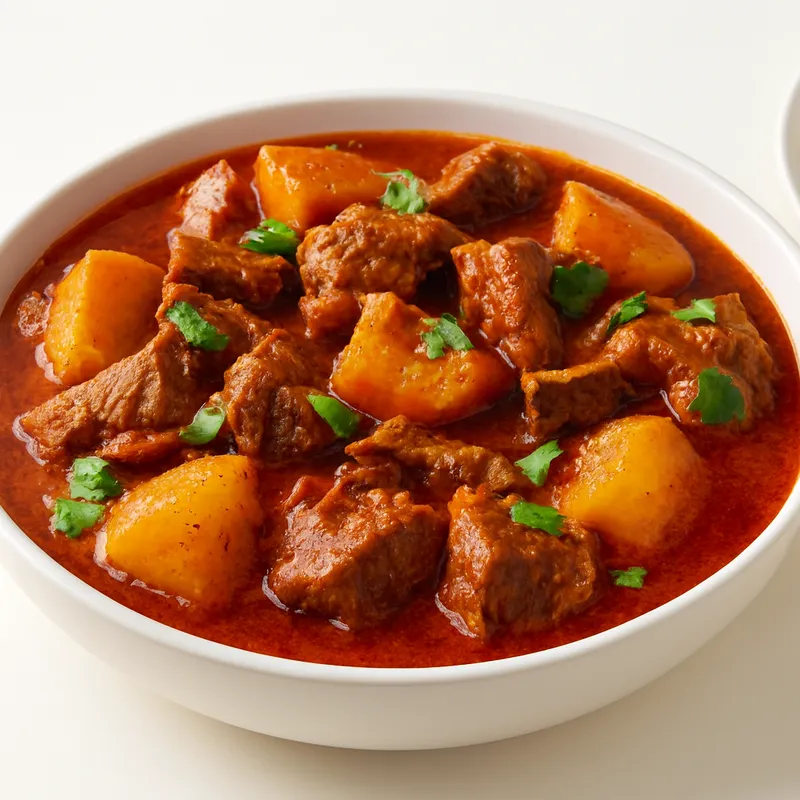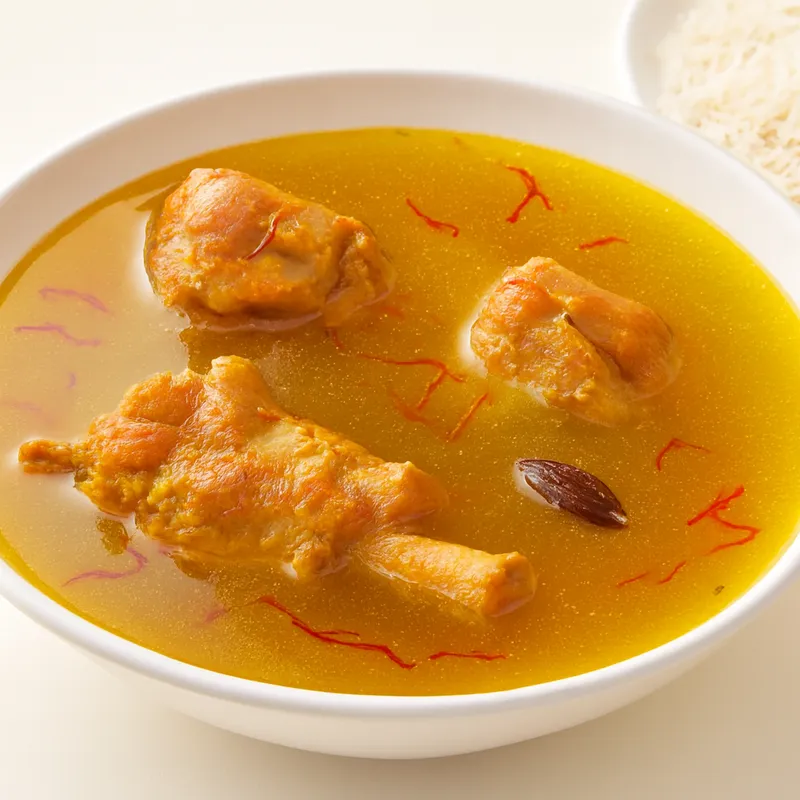
A fragrant broth that harmonizes tender mutton with the tang of yogurt and the warmth of Kashmiri spices.





From the Kashmiri Pandit (Hindu Brahmin) kitchen, where Vedic dietary rules historically excluded onion, garlic, and tomato. The dish is part of the Wazwan tradition's Pandit branch and dates to at least the medieval period. Fennel (saunf) and dry ginger (sonth) became the workhorses in place of the alliums — both are warming and aid digestion in Kashmir's cold climate.
From the Kashmiri Pandit kitchen — Vedic dietary rules barred onion, garlic, tomato. Fennel and dry ginger took their place. Yogurt is whisked smooth and added cold, then heated very slowly with constant stirring; same casein-stability problem as Gujarati kadhi, solved without besan.
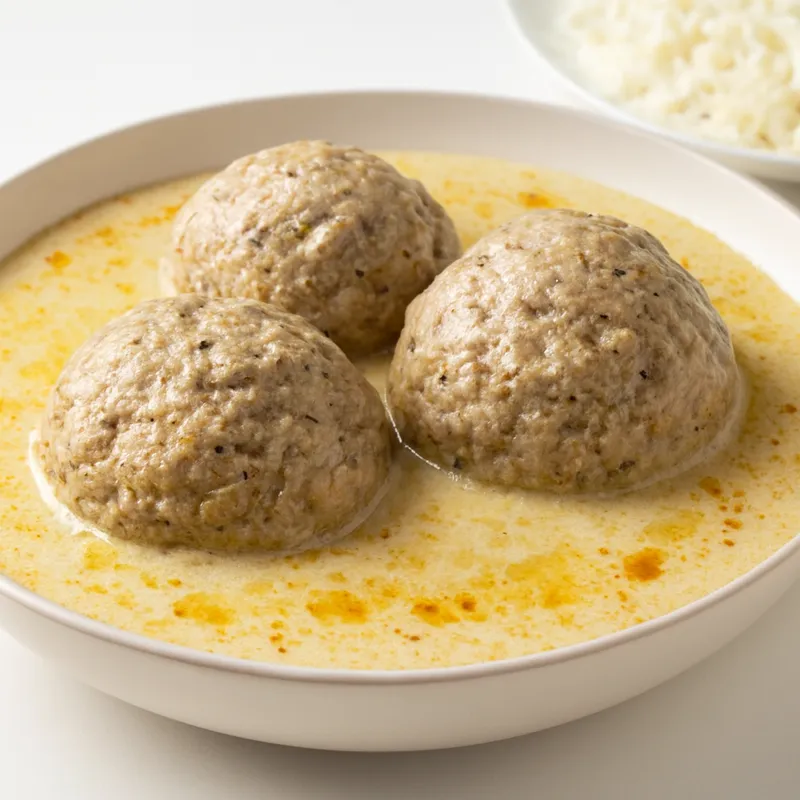
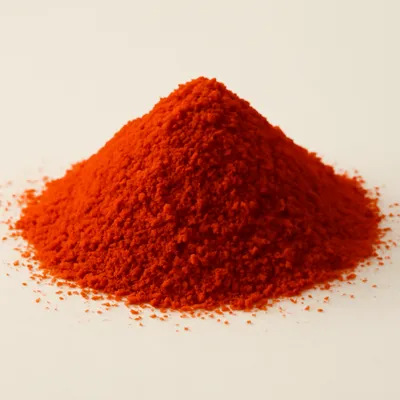
A pale ivory-colored mutton curry, soupy rather than gravied, smelling strongly of fennel and dried ginger. No tomato, no onion paste, no chili powder — Kashmiri Pandit cooking forbids them. The mutton is fall-off-the-bone tender; yogurt rounds the broth without souring it. Eaten over plain basmati. The first impression is mild; the spice profile reveals itself after three or four spoonfuls.
Yogurt is whisked smooth and added cold to the simmering meat, then heated very slowly while stirring continuously — same casein-stability problem as Gujarati kadhi, solved without besan. The slow temperature rise gives the yogurt time to bind with the meat fat without curdling. Fennel and dry ginger go in whole and ground both — whole for aroma, ground for body. Chili-free doesn't mean flavor-free; it means the spice is the whole stage.
Variations
Pandit yakhni (no onion-garlic, fennel-and-saunth-led); Wazwan yakhni (Muslim Kashmiri, includes a light onion stock); gushtaba adds pounded mutton meatballs in the same yogurt gravy (rishta/rista, by contrast, sits in a red onion-tomato gravy, not the white yakhni); Hyderabadi yakhni pulao uses the broth as rice cooking liquid.
On the Palate
Where Yakhni sits in the Indian flavor cloud
Ingredients







How it's made
5 steps · 35 min active + 1 hour 30 min waiting
- 15 min
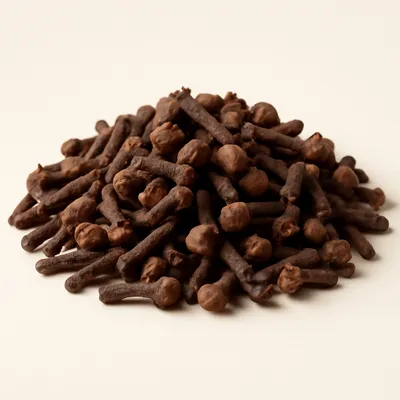
In a large, heavy-bottomed pot, heat a generous amount of ghee until it shimmers. Add whole spices like cardamom, cinnamon, and clove, allowing them to crackle and release their aroma.
Watch outEnsure the spices don't burn; lower the heat if they start to smoke.
- 215 min
Add mutton pieces, stirring occasionally, until they are browned on all sides. The meat should develop a deep, caramelized crust.
- 310 min
Incorporate yogurt into the pot, stirring vigorously to prevent curdling. Sprinkle in fennel powder and dry ginger powder, stirring until the spices are well combined with the yogurt.
Watch outDon't let the yogurt boil too rapidly, or it may separate.
- 45 min
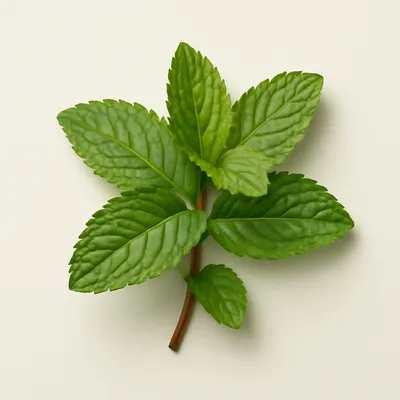
Pour in enough water to cover the meat completely. Add a bay leaf and a handful of fresh mint. Bring to a gentle simmer, ensuring the liquid barely moves.
- 590 min
Cover the pot and let the stew cook slowly over low heat until the mutton is tender and the flavors are well melded. Stir occasionally to prevent sticking.
Archive tool suggestions — not reviewed
These legacy suggestions have not been evidence-reviewed and are not presented as required tools.