Beans poriyal is the everyday Tamil dry vegetable side: green (French) beans chopped fine, cooked just-tender, and tossed through a mustard-seed and urad-dal tempering with curry leaves, green chili and turmeric, then finished off the heat with a fat handful of fresh grated coconut. The beans stay bright and have a little bite; the coconut keeps its raw sweetness and goes nowhere near brown. It is a fixture of the daily meals plate and a standard on the banana-leaf sadya. Light, almost no gravy, built to be eaten with rice and sambar or rasam.

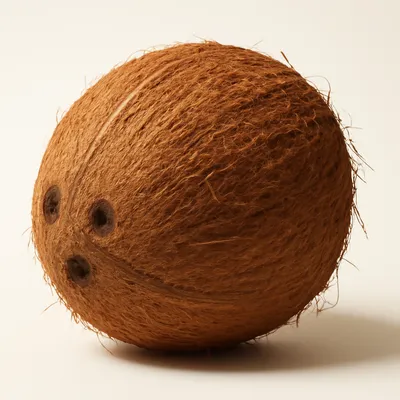


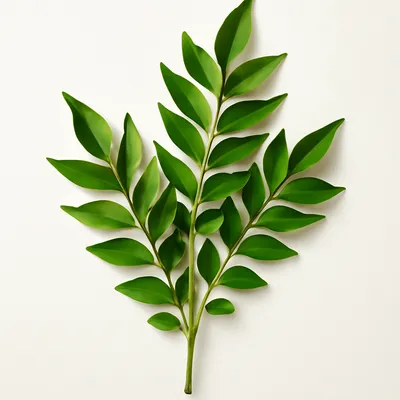

Poriyal is not a single invented dish but a whole class of Tamil home cooking — the dry, coconut-finished vegetable stir-fry that anchors the daily meal. The name comes from the Tamil verb pori, to stir-fry or parch in a little hot oil (the same root that names puffed rice and popcorn), so a poriyal is literally "the stir-fried thing." Almost any vegetable becomes one: beans, cabbage, carrot, beetroot, snake gourd, plantain. The method is anonymous everyday cooking with no documented origin date — it is what a Tamil kitchen makes for lunch. Coconut-growing Tamil Nadu and Kerala lean on fresh grated coconut to finish the dish; the same idea travels under other names across the south, which is the clearest way to place it.
Tender-crisp beans with a clean, grassy green flavor, sweetened and given body by the raw coconut clinging to every piece. Mustard seeds pop in the background, urad dal adds a toasty nuttiness, and the curry leaf and green chili lift it with a quiet heat. Dry and light on the tongue, no sauce — just oil-glossed beans and fresh coconut.
The order is the whole technique. Mustard seeds go into hot oil first and must pop — that splutter is the seeds bursting and releasing their pungency; urad dal is fried alongside until it turns reddish-gold and nutty, the tadka that flavors the oil. Curry leaf and asafoetida hit the hot oil for a few seconds so their aromatics bloom. The beans are cooked covered with a splash of water so they steam soft while staying green, and the lid comes off to drive off any moisture, because the dish must end up dry. Crucially the grated coconut goes in last, off or nearly off the heat: kept away from real browning it holds its fresh, sweet, raw note and coats the beans instead of toasting to a Maillard brown.
Variations
Swap the vegetable and the same template gives cabbage, carrot, beetroot, snake gourd or plantain poriyal; carrot-and-beans together is a common everyday mix. Kerala's thoran is the close cousin — the coconut is often ground coarse with green chili, garlic and cumin and tempered in rather than just sprinkled on. Karnataka calls the dry stir-fry palya, Andhra calls it vepudu (frequently made without coconut and a touch spicier), and Malayalam also has mezhukkupuratti, a drier oil-glossed sauté. Some Tamil cooks add a few grams of chana dal to the tempering for extra crunch, or skip the coconut entirely for a lighter fry.
On the Palate
Where Beans Poriyal sits in the Indian flavor cloud
Ingredients
Serves 4


How it's made
6 steps · 15 min
- 16 min
Trim and finely chop the green beans into small even pieces. Slit the green chili and have curry leaves, turmeric and grated coconut ready.
- 22 min
Heat coconut or sesame oil in a kadai. Add mustard seeds and let them pop, then add urad dal (and chana dal if using) and fry until reddish-gold.
Watch outWait for the mustard seeds to actually pop before the dal goes in — that splutter is the seeds bursting and releasing their pungency; fry the urad dal alongside just to reddish-gold and nutty.
- 31 min
Add green chili, curry leaves and a pinch of asafoetida; let them crackle for a few seconds, then stir in the turmeric.
- 47 min
Add the chopped beans and salt, toss to coat in the oil, then add a small splash of water and cover. Steam on low heat until just tender.
- 52 min
Uncover and stir over higher heat to drive off any remaining moisture, so the beans are dry and glossy.
- 61 min
Turn off the heat and fold in the fresh grated coconut until evenly mixed. Serve warm with rice.
Watch outFold the grated coconut in off the heat at the very end — cook it and it dries out and browns; kept fresh it stays sweet and moist against the beans.
Archive tool suggestions — not reviewed
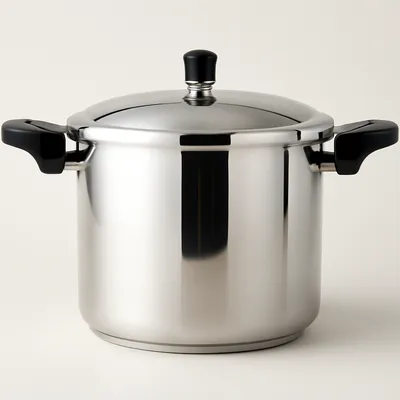
These legacy suggestions have not been evidence-reviewed and are not presented as required tools.