
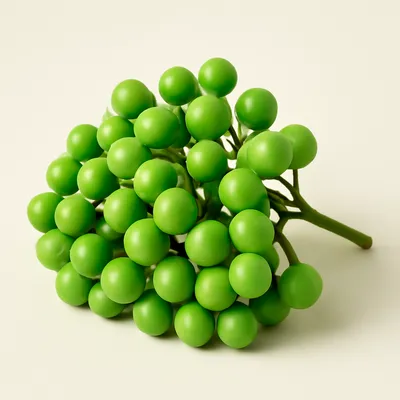
Vatha kuzhambu is a dark, tangy tamarind gravy from Tamil Nadu, soured deep with tamarind and thickened on a base of roasted dal and ground spice. Its signature is vathal: sun-dried vegetables or berries, most often sundakkai (dried turkey berry) or manathakkali, sometimes dried plantain or ladies-finger, fried crisp in oil before they go into the pot. Unlike kootu or poriyal it carries no coconut, which keeps it lean and lets the sour-spicy edge stand alone. Built almost entirely on sesame (gingelly) oil and finished with a film of oil on top, it keeps for the better part of a week and is a fixture of Tamil Brahmin kitchens, ladled hot over rice with a drizzle of sesame oil and a crisp appalam.


Kuzhambu (Tamil குழம்பு) names a whole class of tamarind-based gravies central to Tamil cooking, with no precise English equivalent; vathal is the Tamil word for sun-dried produce, so vatha kuzhambu is literally the dried-vegetable tamarind gravy. The dish is best understood as a product of household preserving rather than any dated court invention: in the dry plains of Tamil Nadu, surplus turkey berries, manathakkali and other vegetables were soaked in sour buttermilk and dried in the sun to last through lean months, then revived in a long-keeping sour gravy. It is closely tied to Tamil Brahmin (Iyer and Iyengar) home cooking, where its keeping quality made it the dish cooked ahead for travel, festivals and days when fresh vegetables ran short. No reliable record names an inventor or origin date, and claims to the contrary are folk attribution rather than documented history.
The gravy is dark brown, almost mahogany, slicked with a visible sheen of sesame oil and thick enough to coat rice rather than soak into it. The first hit is sour and deep from the tamarind, backed by a low heat and the round, savory note of asafoetida and fried shallot. The fried vathal float through it: sundakkai give tiny bitter, crunchy pops against the sour base, while dried plantain or manathakkali turn chewy and concentrated. It tastes salty, sour and faintly bitter all at once, intense rather than soupy, the kind of dish where a spoonful goes a long way over a mound of plain rice.
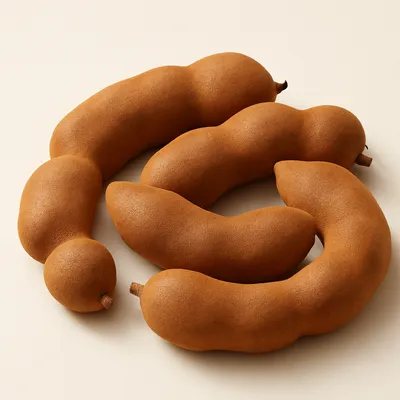
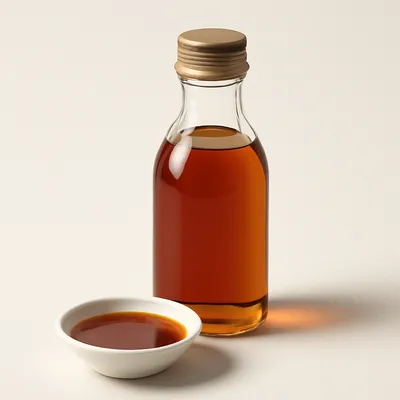
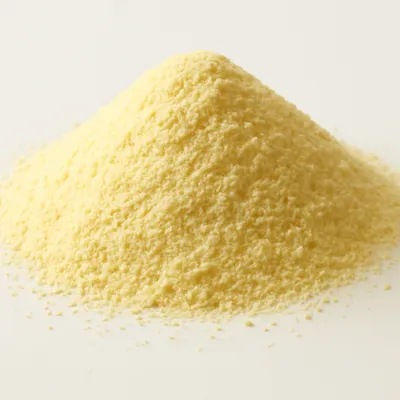
Sesame (gingelly) oil is the backbone: the tempering, the frying of the vathal and the cooking all happen in it, and its low smoke point plus nutty aroma define the flavor, so it is not interchangeable with neutral oil. The vathal are fried first because sun-drying has driven off their water and concentrated them; hot oil crisps the skins and tames the raw bitterness of sundakkai before the tamarind goes in. Tamarind is added early and simmered long so its raw, green sourness cooks out and the tartaric acid mellows into a rounder sour. A roasted-and-ground base of coriander, chana dal, urad dal, fenugreek and red chili (or a good vatha kuzhambu / sambar powder) both thickens the gravy and supplies its toasted depth, while fenugreek lends a controlled bitter edge. Asafoetida, bloomed in the hot oil, supplies the savory backbone that stands in for onion and garlic in many Brahmin kitchens. The long simmer reduces the gravy and the finishing film of oil seals the surface; together with the salt, acidity and absence of fresh coconut or vegetables, that is what lets it keep for days without spoiling.
Variations
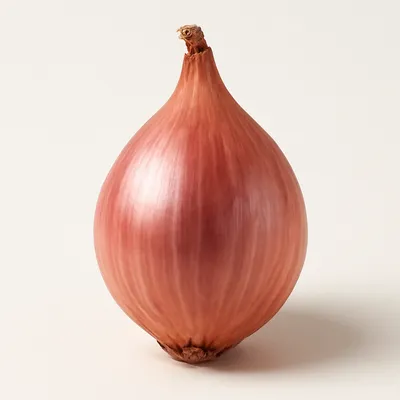
The two great divisions are by souring-star: sundakkai (turkey berry) vatha kuzhambu, the most iconic, and manathakkali (black nightshade berry) vatha kuzhambu, with dried plantain (parankikai/vazhakkai), ladies-finger and even dried appalam used elsewhere. Vengaya vatha kuzhambu swaps the dried berries for whole small shallots, simmered soft and sweet, and is the version many families make most often. Some cooks grind a wet masala (araithu vitta vatha kuzhambu) for a thicker, more layered gravy, while the quick everyday style leans on ready vatha kuzhambu powder. Chettinad kitchens build a peppery, more aromatic version, often pairing the berries with brinjal (kathirikai sundakkai), and Iyengar households keep their own asafoetida-forward proportions.
On the Palate
Where Vatha Kuzhambu sits in the Indian flavor cloud
Ingredients
Serves 4

How it's made
8 steps · 15 min
- 115 min
Soak a lemon-sized ball of tamarind in warm water for 15 minutes, then squeeze and strain to get a thick, smooth tamarind extract; discard the fiber.
- 24 min
Heat sesame oil in a heavy pan or kadai. Fry the dried vathal (sundakkai or manathakkali) over medium heat until they darken and turn crisp, then lift out and set aside.
Watch outFry the dried vathal in the sesame oil until they darken and crisp — this crisps the skins and tames sundakkai's raw bitterness before the tamarind goes in.
- 32 min
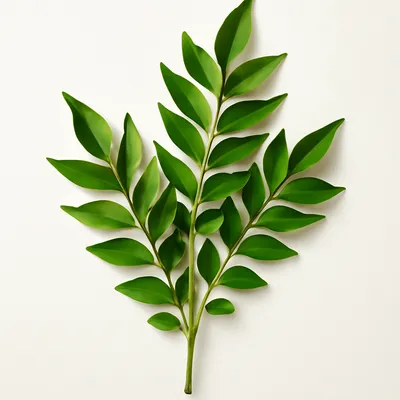
In the same oil, add mustard seeds and let them splutter, then add fenugreek seeds, dry red chilies, curry leaves and a pinch of asafoetida.
- 44 min
Add the small shallots (and garlic, if using) and saute until soft and lightly browned at the edges.
- 53 min
Pour in the tamarind extract, then stir in turmeric, salt, and the vatha kuzhambu or sambar powder. Bring to a brisk boil.
- 618 min
Lower the heat and simmer uncovered for 15 to 20 minutes, until the raw smell of tamarind is gone and the gravy thickens and darkens.
Watch outSimmer uncovered 15–20 minutes until the raw tamarind smell is gone and the gravy darkens and thickens — under-cooked it tastes sharp and green.
- 74 min
Return the fried vathal to the pan and simmer another 3 to 4 minutes so they soften slightly and soak up the gravy.
- 82 min
Stir in a small piece of jaggery to round the sourness, finish with a drizzle of raw sesame oil on top, and switch off; the dish thickens further as it rests.
Archive tool suggestions — not reviewed
These legacy suggestions have not been evidence-reviewed and are not presented as required tools.


