
Bisi Bele Bath is the defining one-pot rice dish of Karnataka — its Kannada name means 'hot lentil rice.' Rice and toor dal are cooked soft together, then folded with mixed vegetables, tamarind pulp, and a dedicated bisi bele bath masala of roasted spices and coconut, before a final tempering of ghee, mustard seeds, curry leaves, and cashews is poured over. The result is thick, soupy, tangy, and aromatic, eaten piping hot. It is served on its own, usually with crisp boondi or fried papad and a spoon of extra ghee.



Bisi bele bath is closely tied to the city of Mysore in southern Karnataka, and it is said to have been refined in the kitchens of the Mysore palace, though that palace pedigree rests on tradition rather than firm record. Food historian K.T. Achaya, in his 'Historical Dictionary of Indian Food,' traces the dish to a much older preparation called kattu ogara — a 10th-century mixture of rice, ghee, salt, and pulses — which over centuries grew into the spiced, vegetable-laden version known today. From Mysore the dish spread through Karnataka's Udupi-style eateries, where the vegetable-rich form became a staple meal.
Served steaming hot and thick enough to mound on a spoon, never dry. The first taste is tamarind-sour and warmly spiced, with mustard and curry leaf in the background. Soft rice and broken-down dal carry chunks of carrot, beans, and peas; whole cashews give a buttery crunch and a slick of ghee coats the tongue. A handful of crisp boondi stirred in adds little bursts of crackle against the soft, savoury base.
Two things define the dish. First, rice and toor dal are cooked together until the dal collapses into a thick, binding porridge — this is what gives bisi bele bath its soupy, cohesive body rather than the separate grains of a pilaf. Second is the bisi bele bath masala: coriander, chana dal, dried red chillies, cinnamon, cloves, and marathi moggu are dry-roasted to release their aromatic oils, then ground with coconut so the fat carries the flavour through the whole pot. Tamarind supplies the acid that balances the lentils, and a final tadka — ghee heated until mustard seeds pop and curry leaves crackle — is folded in at the end so its aroma stays bright.
Variations
The Mysore palace style is milder and richer with ghee and cashews; the Udupi-restaurant style is more vegetable-heavy and tangy, the form most people know. Home cooks vary the vegetables by season — pumpkin, chayote, potato, beans. Some versions stir in crisp boondi just before eating; commercial bisi bele bath masala powders (the famous MTR blend among them) let cooks skip the from-scratch spice paste.
On the Palate
Where Bisi Bele Bath sits in the Indian flavor cloud
Ingredients
Serves 4


How it's made
7 steps · 25 min
- 112 min
Dry-roast coriander seeds, chana dal, dried red chillies, cinnamon, cloves, and marathi moggu until fragrant, then grind with grated coconut to a coarse masala paste.
Watch outThe spices are roasted enough when they smell nutty and the chana dal turns a shade golden.
- 220 min
Pressure-cook or boil rice and toor dal together with turmeric until both are very soft and the dal has broken down.
Watch outThe rice-dal is right when the lentils have vanished into a thick, spoon-coating mush.
- 310 min
Cook the chopped mixed vegetables (carrot, beans, peas) separately until just tender.
- 48 min
Soak tamarind in warm water and extract a thick pulp.
- 512 min
Combine the cooked rice-dal, vegetables, tamarind pulp, ground masala, jaggery, and salt in a wide pot; add water to a thick, soupy consistency and simmer, stirring, for several minutes.
- 65 min
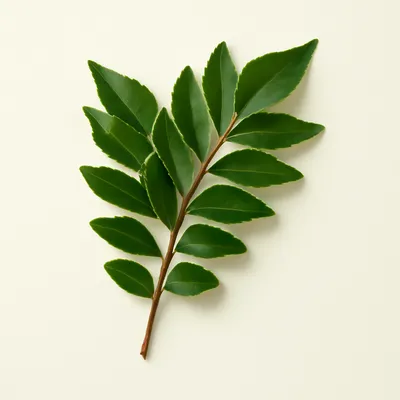
Heat ghee in a small pan, add mustard seeds; when they pop add curry leaves and cashews and fry until the nuts are golden.
Watch outThe tempering is ready the moment the mustard seeds crackle and pop and the cashews turn gold.
- 73 min
Pour the tempering over the bisi bele bath, stir through, and serve piping hot with boondi or papad.
Archive tool suggestions — not reviewed
These legacy suggestions have not been evidence-reviewed and are not presented as required tools.


