
Chettinad Fish Curry — a Chettinad-style meen kuzhambu — is a tangy, fiery fish gravy from Tamil Nadu in which firm fish steaks are simmered in a tamarind base sharpened with a freshly roasted Chettinad masala of pepper, fennel, dried chili and kalpasi. Unlike a creamy coconut-milk curry, this one is thin, sour and red, the body coming from reduced tamarind and a roasted coconut-and-shallot paste rather than from cream. The fish is added late and barely simmered so it stays in firm flakes while soaking up the sour-hot gravy. It is eaten over hot rice, and like most tamarind kuzhambu it tastes even better the next day once the flavors settle.





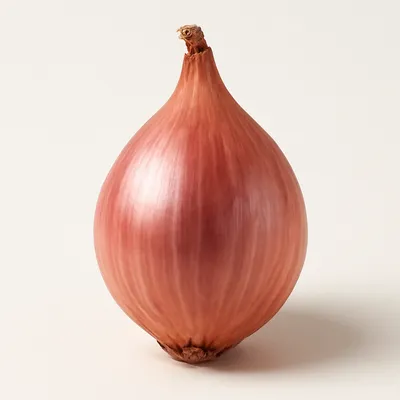
Meen kuzhambu (fish in a tamarind gravy) is a staple of Tamil coastal and home cooking, and the Chettinad version belongs to the repertoire of the Nattukottai Chettiar (Nakarattar) community, whose 19th- and early-20th-century trade across Burma, Ceylon and Malaya shaped a famously pepper- and spice-heavy regional cuisine. The Chettinad form is marked by its freshly dry-roasted masala — pepper, fennel and the traded lichen kalpasi (Parmotrema perlatum) — and by the use of small shallots, gingelly (sesame) oil and curry leaves over a tamarind base. As a broad household preparation it has no recorded single inventor or date; countless family and town versions exist across the Chettinad belt. Seer fish (vanjaram) and pomfret are favored, though any firm fish suits the long-keeping sour gravy.
The gravy is thin, glossy and brick-red, with a sheen of sesame oil and curry leaves on top and chunks of fish settled in it. The first taste is sharp tamarind sourness, met at once by the dry heat of red chili and the woody prickle of pepper, with fennel and roasted coconut rounding the edges and shallot sweetness underneath. The fish flakes cleanly and carries the sour-hot sauce into each bite; it is salty, sour and spicy all at once, brighter and sharper than any coconut-milk curry. Spooned over plain rice, the sourness lingers after the heat fades.
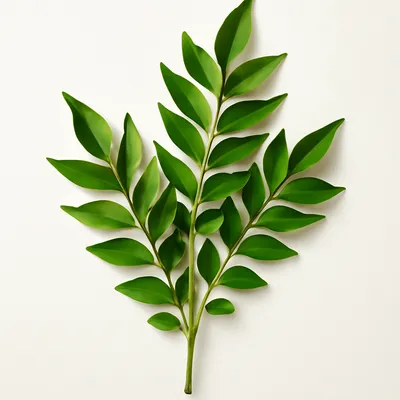
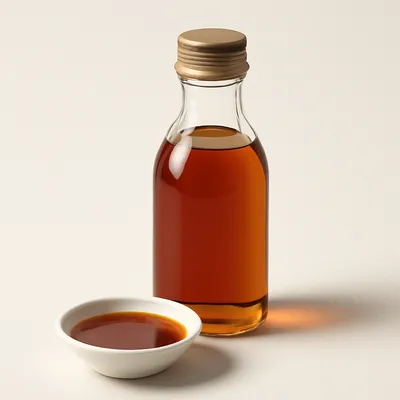
The dish layers flavor through tadka, roasting and a deliberate late addition of fish. A tadka of mustard, fenugreek and curry leaves is bloomed in hot sesame oil — fenugreek kept just short of burning so it does not turn bitter — then shallots and garlic are fried sweet and soft. The Chettinad masala is dry-roasted before grinding so Maillard browning deepens its aroma, and a little roasted coconut both thickens and rounds the gravy. Tamarind extract goes in and the gravy is simmered open so water evaporates and the sourness concentrates while the chili and pepper oils infuse the fat. The fish is added only near the end and barely simmered: overcooking breaks it up and toughens it, so it is poached gently in the finished gravy just until opaque and set.
Variations
A coastal, milder form finishes with coconut milk or a coconut paste to soften the sour heat; inland Karaikudi versions stay thin and pepper-led. The same gravy takes prawns, crab or hard-boiled eggs in place of fish. Some cooks add a few drumstick pieces or sliced tomato; others use tamarind plus a little kokum or raw mango for the sour note. Sun-dried fish (karuvadu kuzhambu) is the preserved-fish cousin, and a thicker, masala-heavy reduction overlaps with the broader meen kara kuzhambu.
On the Palate
Where Chettinad Fish Curry sits in the Indian flavor cloud
Ingredients
Serves 4
How it's made
10 steps · 30 min
- 115 min
Clean and cut 600 g firm fish (seer fish or pomfret) into thick steaks; rub with salt and a little turmeric.
- 210 min
Soak tamarind in warm water and extract a thick juice; discard the pulp.
- 38 min
Dry-roast pepper, fennel, dried red chili, kalpasi and grated coconut to their toast points; grind to a paste with a little water.
- 44 min
Heat sesame oil; crackle mustard and fenugreek, then add curry leaves and fry briefly without burning the fenugreek.
Watch outBloom the tadka but keep the fenugreek just short of burning — a shade too dark and the fenugreek turns the whole curry bitter.
- 55 min
Add sliced shallots and garlic and fry until soft and golden.
- 65 min
Stir in the ground Chettinad masala and fry until the raw smell goes and oil beads at the edges.
- 712 min
Pour in the tamarind extract with a little water and salt; simmer open until the gravy thickens and oil rises.
Watch outSimmer the gravy open until it thickens and oil rises to the surface — that risen oil means the masala is properly cooked and the sourness concentrated; watery gravy tastes raw.
- 83 min
Slide in the fish steaks in a single layer and spoon gravy over them.
- 98 min
Simmer gently, without stirring much, just until the fish is opaque and cooked through.
Watch outSlide the fish in and simmer gently without stirring — poke it around and the steaks break up; it's done the moment the flesh turns opaque.
- 1020 min
Finish with curry leaves, rest 20 minutes for the flavors to settle, and serve over hot rice.
Archive tool suggestions — not reviewed
These legacy suggestions have not been evidence-reviewed and are not presented as required tools.


