
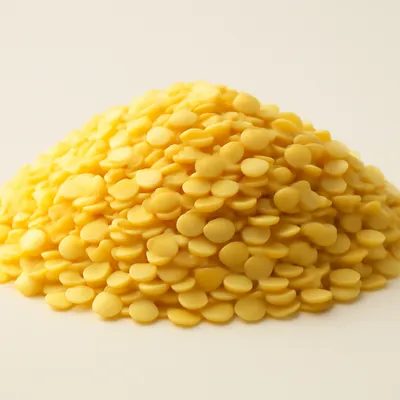
Khatti Dal is the everyday sour lentil of Hyderabadi Muslim kitchens — toor (arhar) dal cooked soft with turmeric, then sharpened with tamarind until it turns distinctly tangy, which is what 'khatti' (sour) names. Unlike the sweeter or plainer dals of the north, it leans on a generous slug of tamarind pulp, green chilies, and a curry-leaf-and-garlic tadka of the Deccan rather than a Punjabi one. It is loose-bodied, spooned over plain white rice as the daily staple, and most often eaten alongside richer Hyderabadi dishes — a biryani, a salan, or a meat curry — to cut their weight. Many homes drop in chunks of tomato, bottle gourd, or sorrel leaves with the dal, but the sour backbone stays constant.




Khatti Dal belongs to the home cooking of Hyderabad's Muslim community rather than to the Nizami banquet table, and its written history is thin in the way everyday food usually is. What fixed its character is the Deccan pantry: tamarind grows abundantly across southern India and has long been the region's everyday souring agent, where the wheat-belt north reaches for yogurt, dried mango, or pomegranate instead. Hyderabadi cooking sits at the meeting point of Mughal-descended court food and local Telugu Deccan taste, and Khatti Dal reads as the second of those two — a plain lentil pulled toward sourness and the curry leaf the way Andhra and Telangana cooking is, and set deliberately against the city's heavy meat dishes as the cooling, tangy counterweight on the same plate.
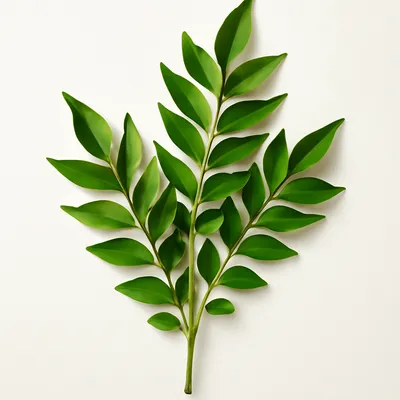
A thin, pourable dal, golden from turmeric and faintly cloudy, the lentils mostly broken down into a loose body with a few grains still whole. The first taste is the sour hit of tamarind, bright and a little fruity, ahead of the salt and the warmth of the chilies. Floating through it are dark curry leaves and slivers of garlic from the tadka, sometimes soft chunks of tomato or bottle gourd. It is light and brothy on its own, meant to be ladled over hot rice and pressed into it, where the tang soaks the grains and lifts whatever heavier dish shares the plate.
Toor dal is boiled or pressure-cooked with turmeric and salt until the seeds swell and burst; as the starch gelatinizes and the lentils disintegrate, they thicken the water into a loose purée on their own, so no separate thickener is used. The souring is the defining step and timing matters: tamarind pulp (or its juice) goes in after the dal is already soft, because its acid slows the breakdown of the lentils if added too early, and it is then simmered a few minutes so the sourness settles into the body rather than sitting on top. The flavour is finished with a tadka — garlic, dried red chili, cumin, and curry leaves bloomed in hot ghee or oil until the leaves crackle and the garlic turns golden, which drives their fat-soluble aromatics into the fat — and the sizzling tempering is stirred through the pot at the end.
Variations
The plainest version is just dal, tamarind, and tadka; commonly cooks add tomato for body, or simmer in vegetables — bottle gourd (lauki), sorrel leaves (gongura/khatta palak), or drumstick — which lend their own tartness. A non-tamarind kin, Khatti Dal made with raw mango in season swaps the souring agent but keeps the idea. It sits in the same family as Andhra's pappu but is looser and pulled harder toward sour, and against a northern tadka dal it is defined by the curry leaf and tamarind rather than by garam masala.
On the Palate
Where Khatti Dal sits in the Indian flavor cloud
Ingredients
Serves 4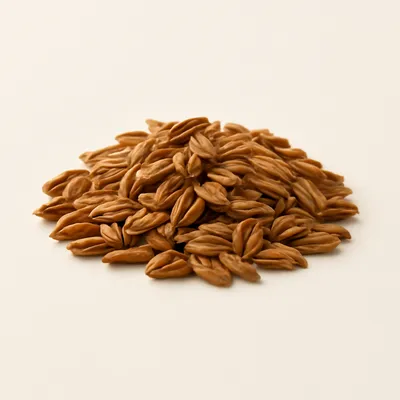



How it's made
6 steps · 15 min
- 128 min
Rinse toor dal, then boil or pressure-cook it with turmeric, salt, and a little oil until very soft and the grains break apart, about 25-30 minutes.
Watch outCook the dal until the grains burst apart on their own — that released starch is what thickens the whole pot, no separate thickener.
- 28 min
Soak a lump of tamarind in warm water and squeeze out a thick pulp, discarding the seeds and fibre; or use ready tamarind concentrate.
- 33 min
Mash the cooked dal lightly and loosen it with water to a thin, pourable consistency.
- 47 min
Stir the tamarind pulp into the dal along with slit green chilies and, if using, chopped tomato; simmer for 5-8 minutes until the sourness settles in.
Watch outAdd the tamarind only after the dal is soft, then simmer a few minutes — in too early the acid stops the lentils breaking down, and it needs time to settle into the body.
- 53 min
Heat ghee or oil for the tadka and add cumin, dried red chilies, sliced garlic, and curry leaves; fry until the garlic is golden and the leaves crackle.
Watch outFry the tadka garlic just to golden and the leaves to crackling — burnt garlic turns the whole pour bitter.
- 62 min
Pour the sizzling tadka over the dal, stir through, and serve hot over plain rice.
Archive tool suggestions — not reviewed
These legacy suggestions have not been evidence-reviewed and are not presented as required tools.


