

Persian-Mughal in lineage, descended from luqmat al-qadi (Arabic) and gulābjamun (Persian: rose-water plum) — fried sweet dough soaked in syrup, brought to India through the Mughal courts in the 16th–17th centuries. The Indian innovation was khoya — milk reduced over hours to a fudge-like solid — replacing wheat flour as the base. This made the sphere denser and more milk-rich than its Persian ancestor, and the dish became a staple of Bengali and North Indian sweet shops by the 19th century.
Mughlai luqmat-al-qadi descendant — khoya (reduced milk solids) shaped, deep-fried, then dunked in cardamom-rose syrup. Persian gol (rose) + ab (water) is the name's giveaway. Frying temp matters: too hot, raw centers.
Two or three brown spheres the size of large grapes, sitting in a shallow pool of clear amber syrup. Bite through — the surface gives, then the inside is dense, wet, almost dissolving on the tongue. Cardamom comes through the syrup; sometimes a thread of saffron or rose water on the back end. Served warm. A dry, bready core means the milk solids weren't kneaded enough or the syrup wasn't hot when the ball went in.
Temperature differential is everything. The dough — khoya, a little flour, baking soda — is fried at a low 140–150°C (low for fried food) so the inside cooks slowly and stays porous, not sealed. The syrup must be at 60–70°C, not boiling, when the hot ball drops in: too cold and the ball won't drink syrup; too hot and the surface seizes shut. The sphere then absorbs syrup over 30+ minutes. Restaurants that serve them straight out of the syrup pot get this right.
Variations
Kala jamun (darker, longer fry, drier center); pantua (Bengal, smaller, often with chhena); ledikeni (Kolkata, named for Lady Canning, 1856); lal mohan (Nepal, same dough, lighter syrup).
On the Palate
Where Gulab Jamun sits in the Indian flavor cloud
It's all about the temperature gap: fry the balls low at 140-150°C so they cook through porous, and drop them into warm syrup at 60-70°C (never boiling) so they drink it in instead of sealing shut.
Ingredients




How it's made
6 steps · 1 hour 20 min active + 30 min waiting
- 130 min
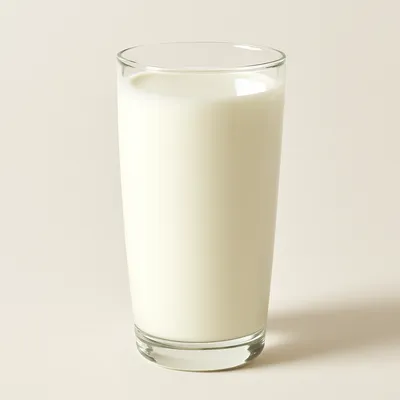
In a heavy-bottomed pan, heat milk over low flame until it reduces to thick solids, stirring occasionally to prevent sticking. This is your khoya, and it should smell rich and slightly nutty as it forms.
Watch outStir the milk down low and slow until it thickens to a fudge-like solid and smells rich and nutty — that's the khoya.
- 210 min
In a mixing bowl, combine the khoya with maida and knead into a smooth dough. The dough should feel soft and pliable, not sticky.
- 310 min
Roll the dough into small, smooth balls about the size of a large marble. Ensure there are no cracks on the surface to prevent them from breaking while frying.
Watch outCracks in the dough balls can cause them to disintegrate in the oil.
- 415 min
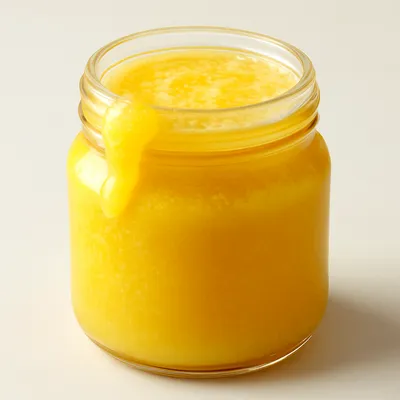
Heat ghee in a deep pan over low heat. Gently slide in the dough balls and fry until they are golden brown all over, turning occasionally. The ghee should sizzle softly, not bubble vigorously.
Watch outThe ghee should whisper, not roar — a soft sizzle means the heat is low enough to cook the centers through.
- 510 min
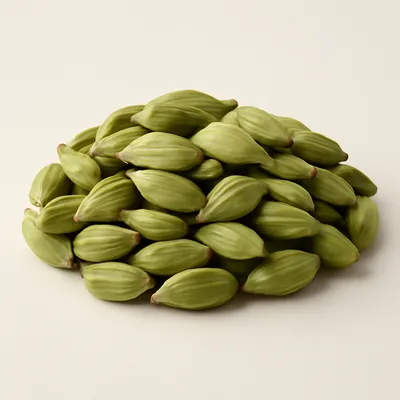
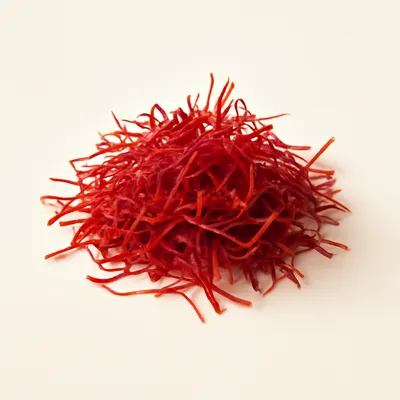
In another pan, dissolve sugar in water over medium heat to make a syrup, adding cardamom and saffron. The syrup should be just thick enough to coat a spoon.
Watch outCook the syrup only until it just coats the back of a spoon — any thicker and it won't soak in.
- 65 min
Soak the fried balls in the warm sugar syrup for at least 30 minutes, allowing them to absorb the syrup fully and swell slightly.
Watch outThe balls should swell visibly and turn spongy as they drink the syrup over half an hour.
Archive tool suggestions — not reviewed
These legacy suggestions have not been evidence-reviewed and are not presented as required tools.