A classic Parsi breakfast of eggs cooked over a bed of crisp fried potato sticks (sali) with onion, tomato, and coriander. The yolks stay soft, the whites set into the potato, and the whole is scooped up with pav (bread). The name states it plainly: sali on the bottom, eeda (eggs) on top.
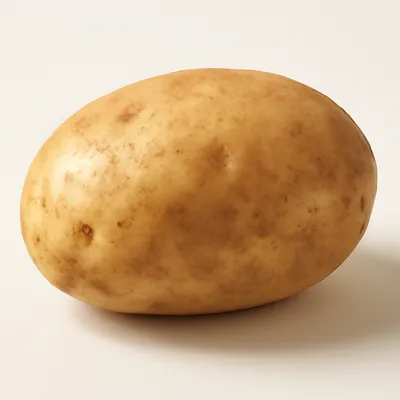


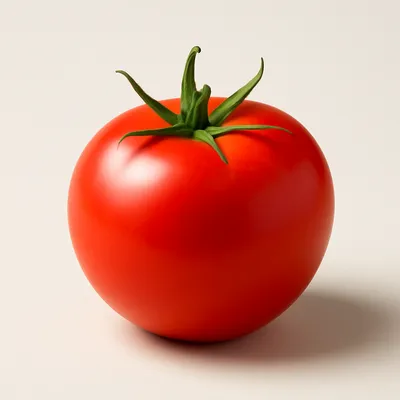
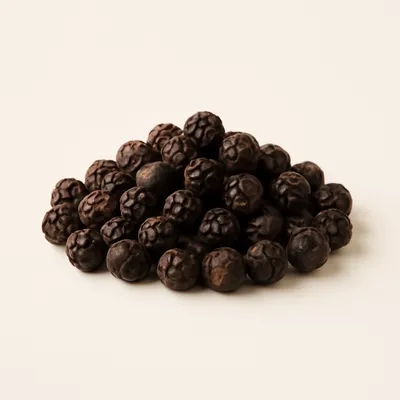

Sali par eeda (salli par eedu) is a classic Parsi breakfast of the Zoroastrian community of Mumbai and Gujarat, in which eggs are cooked over a bed of the same crisp fried potato matchsticks — the sali — that tops the community's festive curries. Its name in Parsi Gujarati states the construction plainly: sali on the bottom, eeda (egg) cracked on top. The dish belongs to the wider Parsi love of eggs, which appear in many forms in the cuisine — eeda par eeda (layered eggs), akuri (scrambled eggs), and the festive padaakuwa — and it turns the sali, otherwise a topping, into the foundation of a quick everyday meal. The construction is deliberately simple: the sali is laid in a pan with chopped onion and tomato, the eggs are cracked over it, and the whole is cooked covered until the whites set and the yolks reach the desired softness, finished with coriander and pepper. It is eaten with pav (the soft bread roll of Mumbai) and chai, and it is the kind of fast, filling breakfast the Parsi kitchen has made its own.
Crisp, ghee-fried potato sticks under soft-set eggs with melting tomato and onion, the yolks running golden into the sali when broken.
The dish works by layering two cooking textures in one pan. The sali, fried first to a glassy crisp, forms a foundation that both crisps the dish's base and insulates the eggs from the direct pan heat; its low water activity keeps it from turning soggy the moment the wet egg meets it — at least for the few minutes of cooking and eating. The eggs cracked over the sali cook gently and unevenly: the whites, mostly albumin proteins, set first at around 62–65°C into a tender layer that binds into the potato, while the yolks, richer in fat and with proteins that set at a higher temperature (around 65–70°C), stay softer and runnier — the contrast of set white and soft yolk is the point. Cooking covered traps steam, which cooks the egg's upper surface without flipping; the onion and tomato, layered with the sali, release their moisture to soften and form a light sauce that the egg and potato absorb.
Variations
Wafer par eedu uses potato wafers (crisps) instead of fried sticks; a richer form adds cheese or minced meat, and the eggs are sometimes baked rather than pan-cooked.
On the Palate
Where Sali par Eeda sits in the Indian flavor cloud
Ingredients
Serves 3How it's made
6 steps · 15 min
- 18 min
Cut potatoes into thin matchsticks, soak, drain, dry, and deep-fry until crisp and golden; set aside.
Watch outFry the potato matchsticks to glassy-crisp and golden — soggy sali turns to mush the moment the wet egg lands on it.
- 24 min
Heat a little oil or ghee in a pan, sauté chopped onion until soft, then add chopped tomato and cook briefly.
- 32 min
Spread the fried sali across the pan in an even layer over the onion and tomato.
- 42 min
Crack the eggs one by one over the sali, spacing them out.
- 56 min
Cover and cook on low heat until the whites are set and the yolks are as soft as you like.
Watch outCover and cook on low just until the whites set and the yolks stay as soft as you like — high heat rubberizes the whites.
- 61 min
Scatter chopped coriander and cracked pepper, and serve hot with pav and chai.


