Cuttack's signature street snack: soft, spongy urad-dal vadas (dahi bara) soaked in chilled, sweet-sour yogurt, served with a fiery potato curry (aloo dum) and yellow pea curry (guguni), then topped with sev, onion, and coriander. The sweet-cool yogurt against the spicy potato is the whole point.





Dahibara aloodum is the iconic street food of Cuttack, Odisha's old capital, where the combination of dahi bara (urad-dal vadas soaked in yogurt, the Odia form of the pan-Indian dahi vada) with aloo dum (a fiery potato curry of the kind more familiar from Bengal) and guguni (a yellow pea curry) is held to be a Cuttack-specific invention. A local account places its earliest sale in Bidanasi, the old-city quarter near the medieval Barabati Fort, from which it spread across the city's lanes; that origin is local tradition rather than documented record. What is certain is the dish's status: it is sold from morning to night at Cuttack stalls, and its defining contrast — cool, sweet yogurt against a fiercely spiced potato — is distinct from the North Indian dahi vada, which carries no potato curry. In recent years a serving by the veteran vendor Pradipta Behera, known as Babula, won a national street-food award, underlining the dish's reach beyond Odisha.
Cool, creamy yogurt-soaked vada against a hot, fiery potato-pea curry, with the crunch of sev and raw onion cutting through both.
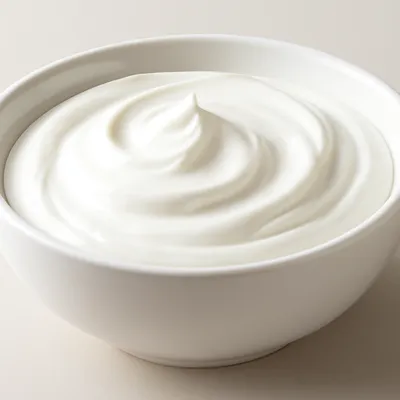
The dish works by deliberate contrast. The vadas are deep-fried first so their starch gelatinizes and their structure sets porous, then they are soaked in chilled, whisked yogurt, which they absorb by capillary action into those pores, turning crisp-fried cakes into cool, soft sponges; the yogurt's lactic acid and a little sugar give the sweet-sour cooling side. The aloo dum, by contrast, is built on a base of bhuno-cooked onion, tomato, and chili whose Maillard-browning products and capsaicin deliver heat and depth — the potatoes, cooked until just holding their shape, carry that gravy. Eaten together, the yogurt literally extinguishes the chili's heat on the palate by dissolving and diluting the capsaicin (which is fat-soluble but rinsed by the yogurt's water and fat), which is why the combination feels cooling and warming at once.
Variations
The guguni (pea) component is sometimes omitted; some stalls add a sweet tamarind chutney or a dollop of curd chutney, and the spice of the aloo dum rises sharply in the old-city stalls.
On the Palate
Where Dahibara Aloodum sits in the Indian flavor cloud
Ingredients
Serves 4

How it's made
6 steps · 20 min
- 18 min
Soak urad dal, grind to a fluffy batter, shape into vadas, and deep-fry until golden.
Watch outWhip the urad batter until it's light and fluffy — under-beaten batter fries dense, and the vada won't soak up the yogurt into a soft sponge.
- 25 min
Soak the fried vadas in warm water briefly, then press out the water and immerse them in chilled, whisked, lightly sweetened yogurt.
Watch outSoak the fried vada, squeeze out the water, then submerge in chilled whisked yogurt — the pressed-out pores are what drink up the cool yogurt.
- 35 min
Boil potatoes, peel, and break into chunks for the aloo dum.
- 412 min
Cook a base of onion, ginger-garlic, tomato, chili powder, and turmeric, add the potatoes, and simmer into a fiery curry.
- 56 min
Boil yellow peas with turmeric and salt for the guguni.
- 64 min
Serve by placing vadas in a bowl, ladling aloo dum and guguni over them, and topping with sev, chopped onion, and coriander.


