Dalcha is a tamarind-soured stew of split chana dal slow-cooked with bone-in mutton until the lentils dissolve into a thick, spiced gravy enriched with bottle gourd; the canonical accompaniment to Hyderabadi biryani and bagara khana, its sharp khatta sourness setting it apart from the cream-based gravies of North India.






Dalcha traces its lineage to the Persian and Central Asian culinary practices carried into the Deccan during the era of Mughal expansion. Persian stews of meat and legumes — sharing kinship with the Middle Eastern harees — were adapted in Hyderabad using the locally abundant chana dal and the southern pantry staple of tamarind, replacing the cream and yogurt souring of northern Mughal cooking. Under the Nizams of Hyderabad, whose dynasty was founded by Asaf Jah I in 1724, the dish was refined in royal dastarkhwan culture as a requisite companion to biryani, cementing its place at significant feasts, where it is still served alongside biryani in Hyderabadi households today.
The first spoonful delivers a wave of tamarind sharpness — bright, almost mouth-puckering — undercut by the earthy creaminess of collapsed chana dal. Tender shreds of mutton cling to the bone, their collagen having dissolved into the gravy, giving each mouthful a silky, coating richness. The finish is warm with whole spices — cinnamon, cloves, cardamom — slowly releasing over the palate.
Collagen in the bone-in mutton converts to gelatin during the long simmer — typically 60–90 minutes — at around 80–90°C, enriching the broth with body and mouthfeel. Simultaneously, the starch granules in chana dal gelatinize and the lentil proteins denature and aggregate, thickening the liquid from within. Tamarind's tartaric and citric acids brighten the flavor and help prevent the lentils from over-thickening into a paste by slightly inhibiting starch swelling. The tempering of mustard seeds and curry leaves in hot ghee at the finish (tadka) releases fat-soluble aroma compounds — terpenes, sulfur volatiles from garlic — that coat the surface and amplify perceived spice depth.
Variations
Kaddu Dalcha swaps mutton for bone-in beef and adds substantial chunks of bottle gourd (lauki) that melt into the stew. A vegetarian dalcha omits meat entirely and relies on additional vegetables — eggplant, unripe mango — for depth. Tamil Nadu and Malaysia have their own branch: the Malay dalca served at weddings uses chicken or mutton with potatoes in a spice base shifted toward star anise and lemongrass, reflecting migration-era adaptations.
On the Palate
Where Dalcha sits in the Indian flavor cloud
Ingredients
Serves 4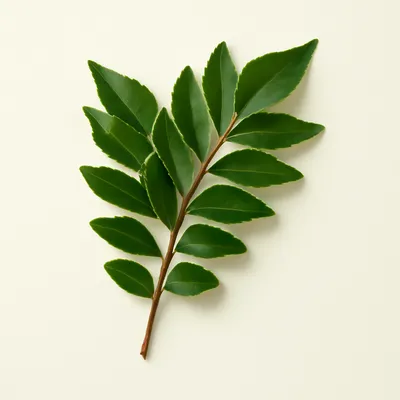


How it's made
7 steps · 20 min
- 130 min
Soak 200g chana dal in cold water for 30 minutes; drain.
- 220 min
In a pressure cooker, combine soaked dal, 400g bone-in mutton pieces, 1 tsp turmeric, salt, 1 tbsp ginger-garlic paste, and 600ml water. Pressure cook for 15 minutes until dal is completely soft and mutton is almost cooked.
Watch outPressure cook until the dal is fully soft and the mutton nearly done — under-cooked lentils won't mash down to thicken the stew.
- 32 min
Release pressure, open lid, and roughly mash the dal with the back of a spoon — some texture should remain.
- 420 min
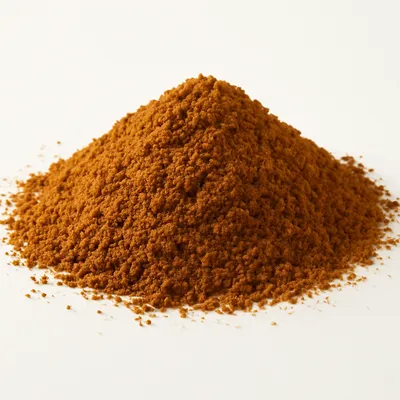
Add 150g bottle gourd (peeled, cubed), 3 tbsp tamarind extract, 1 tsp red chilli powder, and 1 tsp garam masala. Simmer uncovered on medium heat for 20 minutes until the gourd is tender and the stew thickens.
- 53 min
In a separate pan, heat 3 tbsp ghee over high heat. Add 1 tsp mustard seeds; when they splutter, add 10 curry leaves, 4 dried red chillies, and 6 cloves of sliced garlic. Fry for 30 seconds until golden.
Watch outFry the tadka aromatics just to golden, about thirty seconds — let the garlic and chili scorch and the whole pour turns bitter.
- 62 min
Pour the hot tadka over the simmering dalcha and stir through. Adjust salt and tamarind to balance the sourness.
Watch outPour the tadka in sizzling hot — off the heat it just sits on top instead of blooming its aroma through the dal.
- 75 min
Simmer a further 5 minutes to marry the flavors, then finish with fresh coriander and serve hot alongside biryani or bagara rice.
Archive tool suggestions — not reviewed
These legacy suggestions have not been evidence-reviewed and are not presented as required tools.



