
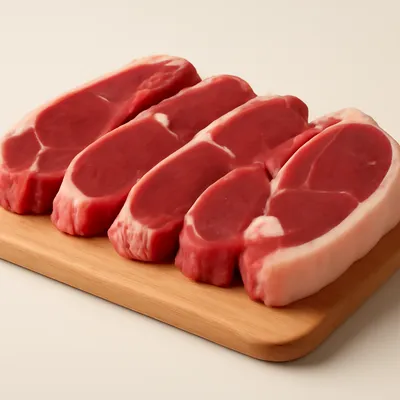
Hyderabadi Haleem is a thick, savory porridge of cracked wheat, lentils and pounded mutton, slow-cooked for hours into a smooth, ghee-rich paste. Goat meat is simmered with broken wheat, chana dal and aromatic spices, then beaten and mashed with a wooden masher (ghotni) until the meat shreds into the grain and the whole pot turns to a uniform, gluey mass. It is finished with ghee and served hot in bowls, topped with fried onions, fresh lime, chopped mint and coriander, slivered fried cashews and a sprinkle of garam masala. In Hyderabad it is a month-long Ramadan staple, cooked overnight in large cauldrons and sold to break the daytime fast; unlike the looser Pakistani and Bangladeshi Haleem, the Hyderabadi version is pounded to a notably finer, almost homogeneous texture.





Haleem descends from harees (also jareesh), an Arabian wheat-and-meat porridge whose earliest written recipe appears in the 10th-century Baghdad cookbook of Ibn Sayyar al-Warraq. The dish traveled east with Muslim trade and conquest, gathering South Asian spices and ghee along the way to become the spiced, mashed haleem. In Hyderabad it is documented as a contribution of the Chaush — Hadhrami Arab settlers from Yemen who served the Nizams; it was introduced under the sixth Nizam, Mahbub Ali Khan, and is said to have been popularized at court under the seventh Nizam, Mir Osman Ali Khan, by Sultan Saif Nawaz Jung Bahadur, an Arab noble from Mukalla in Hadhramaut. By the 20th century it had become a Hyderabadi Ramadan icon, and in 2010 'Hyderabadi Haleem' was granted a Geographical Indication tag — the first meat product in India to receive one.
Spooned hot from the bowl, it is smooth and dense, almost like a savory oatmeal but finer — no whole grains or chunks survive, only a uniform paste. The taste is deeply meaty and rich with ghee, warm with clove, cinnamon and cardamom underneath. A squeeze of lime cuts the fat, fried onions add sweet crunch, and mint lifts the whole thing. It coats the spoon and the mouth; eaten slowly, it is heavy, restorative food meant to refill an empty stomach after a day of fasting.
The texture is built by long, low cooking plus mechanical pounding. Hours of simmering hydrates the cracked wheat and dal so their starches gelatinize and swell, while the connective tissue (collagen) in the mutton breaks down to gelatin, making the meat fall-apart soft. Beating the hot pot with a wooden masher then shears the softened meat fibers apart and disperses them through the gelatinized grain, so no distinct piece remains — the gelatin and starch together give the characteristic gluey, spoon-coating body. Ghee is stirred in to emulsify into this matrix, adding richness and gloss. The Hyderabadi style is pounded longer and finer than the chunkier Pakistani or Bangladeshi haleem, which is why it sets up smoother.
Variations
The broader family includes plain Haleem as eaten across Pakistan and Bangladesh (looser, with more visible grain and often barley) and Daleem in Bengal. A drier, chunkier cousin is khichra, made with mixed lentils and visible meat and wheat. The Hyderabadi version itself is made with mutton (goat) traditionally, though chicken and beef versions are also cooked, and a vegetarian wheat-and-lentil haleem exists for non-meat days. Some Ramadan kitchens finish it with extra fried onion and a darker spice mix.
On the Palate
Where Hyderabadi Haleem sits in the Indian flavor cloud
Ingredients
Serves 8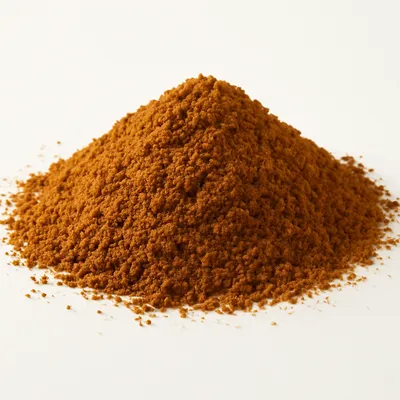


How it's made
7 steps · 40 min
- 120 min
Soak cracked wheat and chana dal for a few hours; cut mutton into pieces.
- 220 min
Brown sliced onions in ghee, add ginger-garlic paste, then the mutton with turmeric, chili, garam masala and salt; sear well.
- 3240 min
Add the soaked wheat and dal with plenty of water; cover and simmer (or pressure-cook in stages) for several hours until everything is very soft.
Watch outSimmer for several hours until the wheat, dal and mutton are all falling-apart soft — under-cooked, the grains stay gritty and the meat won't shred into the porridge.
- 430 min
Using a wooden masher or hand blender, beat and pound the hot mixture until the meat shreds completely and the porridge is smooth and uniform.
Watch outBeat and pound the hot pot until the meat shreds completely and the mass is smooth and uniform — no distinct pieces should remain, that gluey body is the dish.
- 525 min
Stir in extra ghee and adjust salt and spice; simmer gently, stirring, until thick and glossy.
- 620 min
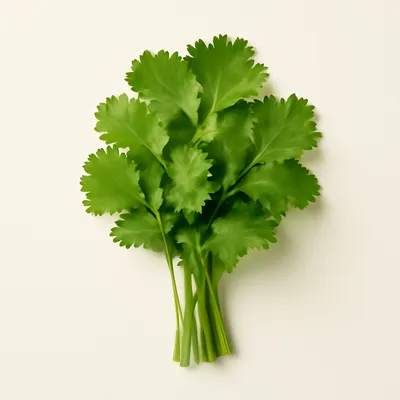
Meanwhile fry sliced onions until deep brown and crisp, and fry cashews; chop mint and coriander.
- 78 min
Ladle the haleem hot into bowls and top with fried onions, fried cashews, mint, coriander, a dusting of garam masala and wedges of lime.
Archive tool suggestions — not reviewed
These legacy suggestions have not been evidence-reviewed and are not presented as required tools.


