
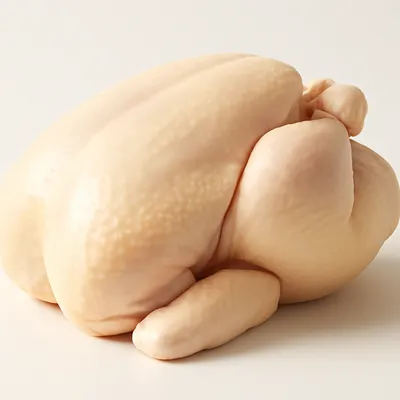
A whole chicken twice-marinated, often stuffed with spiced keema and boiled eggs, then slow-cooked in a deep saffron-and-nut gravy until the bird is meltingly tender and carved at the table. The name means "whole chicken," and it is a banquet centrepiece — the showpiece of an Awadhi dastarkhan. The skin is scored and rubbed so the marinade reaches the bone; the gravy it cooks in is poured over before serving. It is presented intact, glistening, and broken apart by hand.



Murgh Musallam is one of the oldest dishes of North Indian court cooking, predating the Mughals proper: the Moroccan traveller Ibn Battuta records a whole roasted-and-stuffed fowl at the 14th-century Delhi court of Sultan Muhammad bin Tughlaq. Food historian Salma Husain traces it as a descendant of the "musamman," a stuffed-fowl preparation named in the 16th-century Ain-i-Akbari from Akbar's kitchen. The Mughals enriched it with dried fruit, eggs and rice fillings, and after the empire's decline it became a signature of the Awadhi table at Lucknow, where it endures as ceremonial banquet food.
A whole bird so slow-cooked the leg twists free by hand, sheathed in a clinging brick-red to deep-gold gravy. The flesh carries marinade right to the bone — yogurt tang, ginger, and a warm saffron-nut sweetness; cutting in reveals keema and halved boiled eggs in versions that are stuffed. Whole spices and fried onion deepen the sauce, and ghee pools at the surface. Served with sheermal or pulao to catch the gravy, it eats as much as theatre as it does dinner.
The dish is engineered for penetration and tenderness on a whole bird, which is hard to cook evenly. Deep cuts to the breast and thigh, plus a souring marinade — yogurt with ginger-garlic and sometimes a little raw papaya — let acid and enzymes loosen muscle before any heat. The chicken is first part-cooked, then finished low in its gravy so the legs reach doneness without the breast drying. The sauce is built by bhuna, frying the onion-spice-nut base until the fat separates, which both thickens it and concentrates flavour; saffron and kewra are added late to keep their volatile aromas.
Variations
Awadhi versions stuff the bird with keema and boiled eggs and use a pale saffron-nut gravy; Hyderabadi renderings are darker and spicier. Some old recipes layer it over rice as a one-pot like a biryani; leaner home cooks roast it in the oven rather than braising. The bird may be left whole or jointed before the final cook.
On the Palate
Where Murgh Musallam sits in the Indian flavor cloud
Ingredients
Serves 4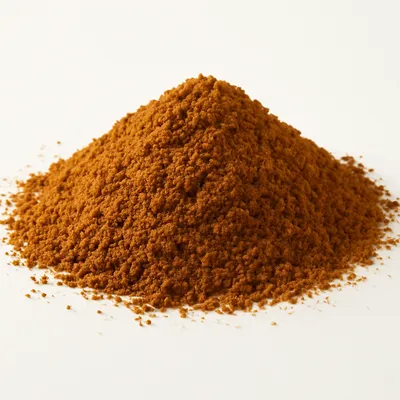

How it's made
7 steps · 50 min
- 115 min
Score a whole chicken to the bone and rub with salt, lemon and ginger-garlic paste.
Watch outScore the whole bird deep to the bone — those cuts let the marinade and heat reach the thick breast and thigh so the bird cooks evenly instead of raw at the joint.
- 2120 min
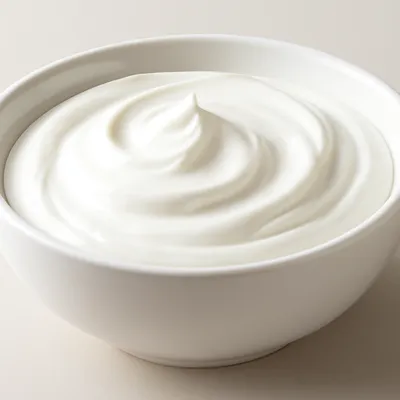
Coat in a second marinade of yogurt with ground cashew, chili and turmeric; rest 2 hours.
- 320 min
Optionally fill the cavity with spiced keema and halved boiled eggs and truss.
- 410 min
Brown the bird gently in ghee on all sides, then set aside.
- 512 min
Bhuna fried onions with whole spices and the nut paste until the fat separates.
Watch outBhuna the onion-nut base until the fat visibly separates and pools at the edges — that's the signal the gravy is properly cooked, thickened and deep in flavor.
- 690 min
Return the chicken, add a little stock, cover, and braise low, basting, until cooked through.
- 715 min
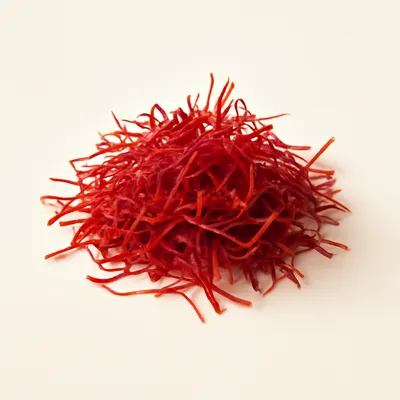
Bloom saffron in warm milk, fold into the gravy with kewra, and rest before carving at the table.
Watch outAdd the saffron and kewra only at the very end — their volatile aromas cook off fast, so late is what keeps the perfume.
Archive tool suggestions — not reviewed
These legacy suggestions have not been evidence-reviewed and are not presented as required tools.


