A golden-yellow Awadhi mutton curry of the Nawabi Lucknowi kitchen, in which marinated mutton is slow-cooked in a gravy of browned onions, yogurt, and a spice blend built on turmeric and saffron. Its name, also rendered Kundan Kaliya (kundan = uncut gem), refers to the gem-bright golden hue that is the dish's defining visual.



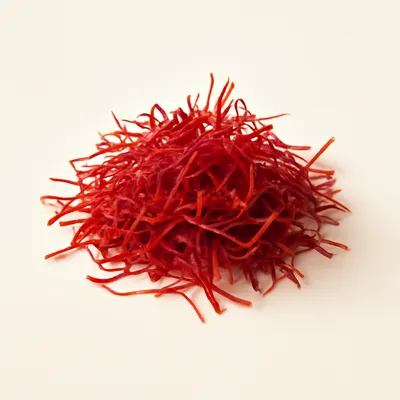

Gosht kaliya (kundhan kaliya, kundan qaliya) is a golden-yellow mutton curry of the Awadhi kitchen of Lucknow, refined over the centuries of Nawabi rule. Its name, in the kundan form, refers to the gem-bright golden hue that the curry takes from turmeric, saffron, and sometimes yellow chili — kundan meaning an uncut gem in Persian/Urdu, a visual marker of the Nawabi taste for refinement and display. The dish belongs to the Awadhi kaliya family, a class of festive mutton preparations distinct from the brown korma and the dark nihari; when Nawab Wajid Ali Shah was exiled by the British to Metiaburuz in Kolkata in 1856, his cooks carried the kaliya tradition east with them, where it entered Bengali cooking as the 'kaliya' preparations still made today. The method follows the Awadhi template — bhunao (sautéing) of a browned-onion, yogurt, and spice base; marination of the mutton; and dum (sealed, slow cooking) — and the golden color is built deliberately by withholding red chili powder and leaning instead on the yellow spice palette.
Tender mutton in a glossy, golden, gently aromatic gravy — warm with turmeric and clove, lifted by saffron, with the rounded richness of browned onion and yogurt.
The golden color and gentle heat are both products of the spice palette. Turmeric's curcumin and saffron's crocin are both fat- and partially water-soluble pigments that disperse through the ghee and the gravy, giving the even golden hue; the deliberate withholding of red chili powder removes the red-orange that would otherwise dominate, and yellow chili (if used) supplies capsorubin color without the fierce heat. The browned-onion (birista) base is essential: onions slow-fried until deep mahogany contribute both their own sweetness and the Maillard-browning products that give the gravy its body and roasted depth, and they are ground into the masala rather than left in pieces. The long dum cook gelatinizes the mutton's connective-tissue collagen at around 70–80°C, thickening the gravy without starch; the yogurt, whisked smooth and added gradually, contributes lactic acid that brightens the heavy base, and its emulsified fat carries the spice aromatics.
Variations
Kundan kaliya is the most jewel-toned form; a Bengali kaliya descends from Wajid Ali Shah's exile cooks; some versions add a roasted-flour slurry to thicken, and the heat rises in everyday home forms.
On the Palate
Where Gosht Kaliya sits in the Indian flavor cloud
Ingredients
Serves 5
How it's made
6 steps · 25 min
- 18 min
Marinate mutton pieces in whisked yogurt, ginger-garlic paste, fried-onion paste, turmeric, and salt for 1–2 hours.
- 25 min
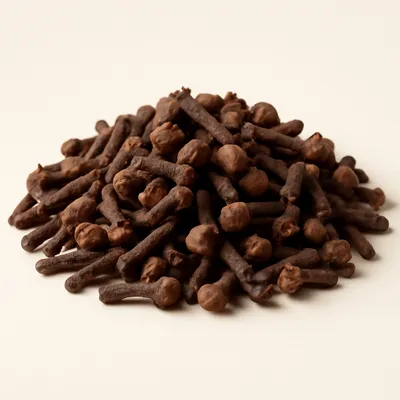
Heat ghee and temper whole spices — cinnamon, clove, green cardamom, black cardamom, bay leaf.
- 38 min
Add the marinated mutton and bhuno until the masala coats the pieces and the oil begins to separate.
Watch outBhuno the marinated mutton until the masala coats every piece and the oil starts to separate — that split is the sign the base is properly cooked, not raw.
- 445 min
Add water, seal the pot with dough, and cook by dum over very low heat until the mutton is tender.
Watch outSeal the pot and cook by dum on very low heat until the mutton is fork-tender — this trapped-steam method is what makes it fall apart soft.
- 55 min
Stir in saffron steeped in warm milk and a pinch of yellow chili or turmeric to deepen the golden hue.
- 65 min
Finish with a spoon of ghee, crushed fried onion, and chopped coriander; serve with sheermal or khameeri roti.
Archive tool suggestions — not reviewed
These legacy suggestions have not been evidence-reviewed and are not presented as required tools.



