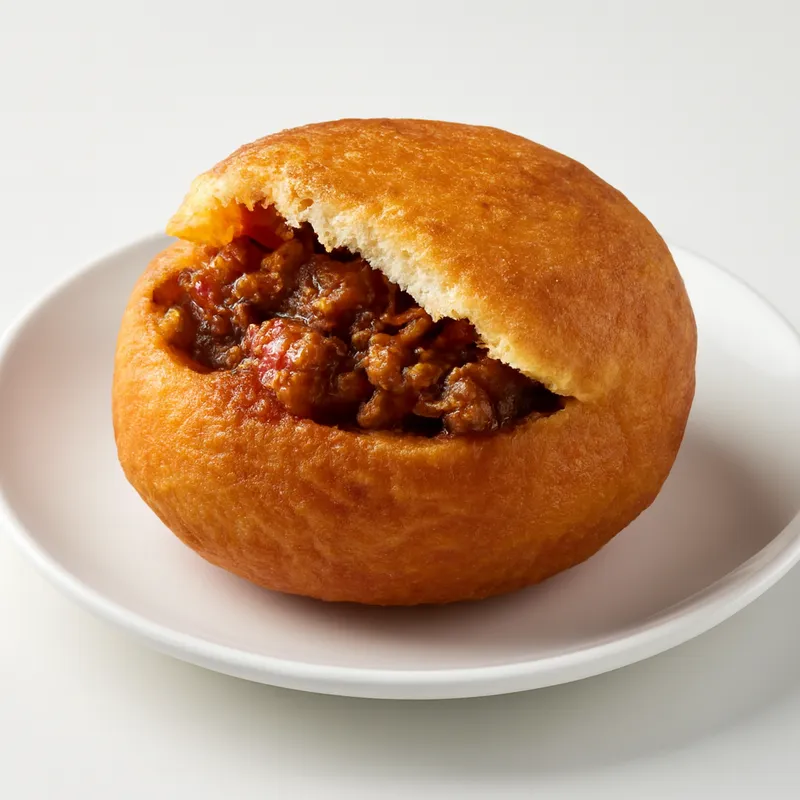
Durban Mutton Curry


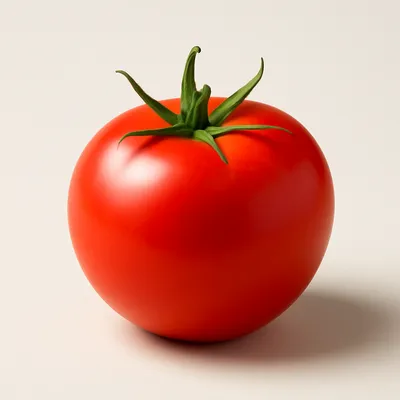


Durban mutton curry is the defining dish of South Africa's Indian community, descended from the Tamil- and Hindi-speaking indentured labourers brought from the Madras (Chennai) region to Natal's sugar plantations between 1860 and roughly 1911. The recipe is South African, not Indian — adapted to locally available dried chilies, tomatoes, and the spice blends sold in Durban markets, of which the fiery 'Mother-in-Law' masala is one hotter variant. Mutton (older sheep, not lamb) is preferred for its stronger flavour and the way its connective tissue collapses into the sauce. Widely reckoned among the hottest of South Africa's curries, it is always served with sambals (chopped onion-tomato-chili relish), yoghurt, and rice or roti.
Spoon onto rice: a deep mahogany-red curry that's translucent with rendered mutton fat. Bite a piece of mutton — the meat falls off the bone with the slightest pressure, the bone's marrow has melted into the sauce. Potatoes have absorbed all the spice color. Cool yogurt cuts the heat; sambals add another acid layer. This is South Africa's national curry.
Mutton (vs lamb) has more myoglobin and connective tissue — both contribute to the deep color and the way the curry sauce thickens as collagen converts to gelatin. The Durban-specific 'oil-separation' technique — frying the masala until oil floats — is essential: it indicates the spice compounds have fully released their volatile flavor molecules into the oil, which then coats every piece of meat. Without oil separation, the curry tastes dusty.
Variations
Standard Durban version uses 'Durban masala' and is medium-to-hot; some cooks use the hotter 'Mother-in-Law' blend; the Cape Indian version is milder with more cardamom; the Tamil South African version leans on curry leaves; the 'Bunny Chow' version uses the same curry stuffed inside a hollowed-out loaf of bread.
On the Palate
Where Durban Mutton Curry sits in the South African flavor cloud
Fry the masala until the oil visibly separates and floats — that break is the signal the spices have fully bloomed into the fat, and without it the whole curry tastes dusty.
Ingredients
Serves 6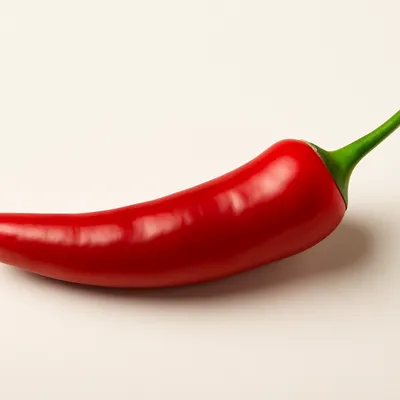






How it's made
5 steps · 40 min active + 1 hour 50 min waiting
- 135 min
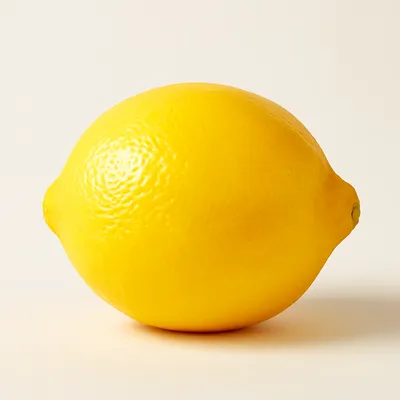
Cut 1kg mutton (lamb shoulder, bone-in) into 5cm pieces. Toss with 1 tsp salt, 1 tbsp ginger-garlic paste, juice of 1 lemon. Marinate 30 min.
- 210 min
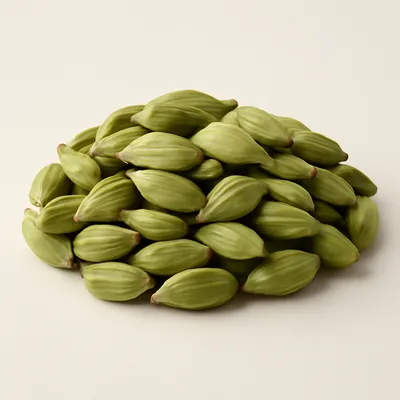
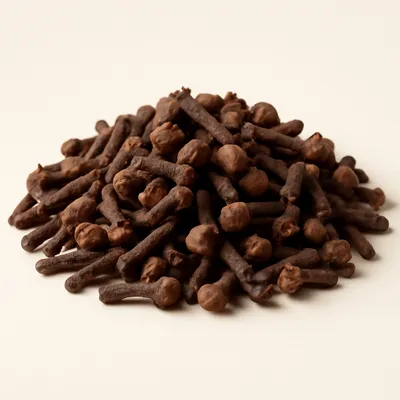
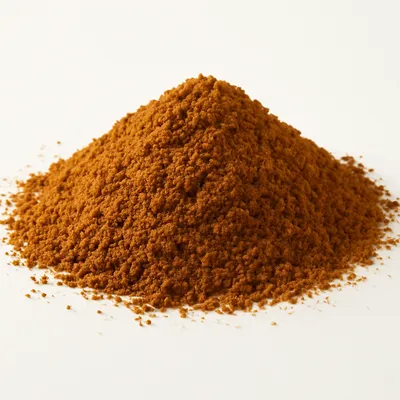
Make masala paste: blend 2 tbsp curry powder, 1 tbsp Mother-in-Law spice (or 1 tsp ground chili + 1 tsp cumin + 1 tsp coriander), 1 tsp turmeric, 1 tsp garam masala, 1 tsp ground fenugreek, 2 cinnamon sticks (broken), 4 cardamom pods (crushed), 4 cloves, 1 tbsp tomato paste with 2 tbsp water.
- 318 min
In a heavy pot, heat 4 tbsp oil. Brown the mutton in batches, 8 min total. Remove. Add 2 chopped onions; cook 10 min until deep golden.
Watch outCook the onions past golden to a deep, jammy brown — this base sweetness carries the whole curry.
- 45 min
Add the masala paste, 6 minced garlic cloves, 1 thumb grated ginger, 2 sliced bird's-eye chilies. Cook 4 min until oil separates and spices darken.
Watch outThe masala is ready the moment a rim of oil separates out and the spices smell toasted rather than raw.
- 592 min
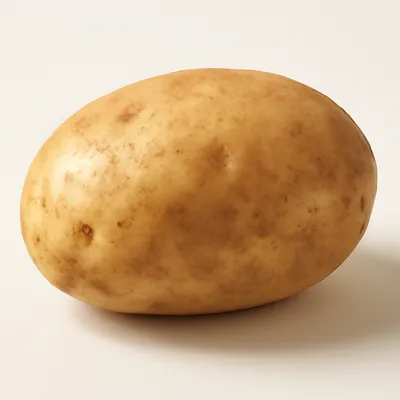
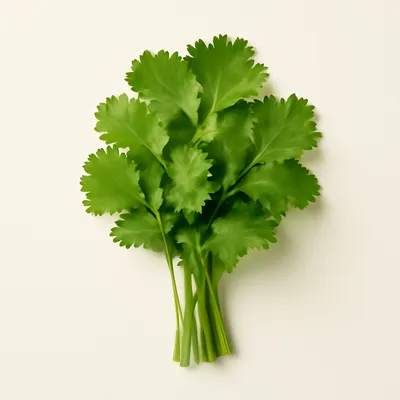
Return mutton + 4 quartered potatoes + 300g canned chopped tomatoes + 500ml water + 1 tsp salt. Bring to boil; reduce, cover and simmer 1.5 hours until mutton is fork-tender. Adjust salt. Top with chopped fresh cilantro. Serve with basmati rice, fresh roti, raita, and sambals.
Watch outBy the end the sauce should cling and glisten with a slick of released oil on top, and the mutton yields with no resistance.
Archive tool suggestions — not reviewed
These legacy suggestions have not been evidence-reviewed and are not presented as required tools.