
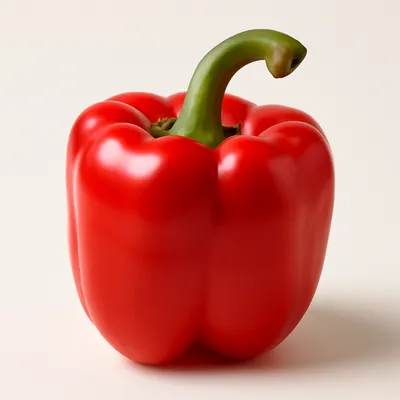
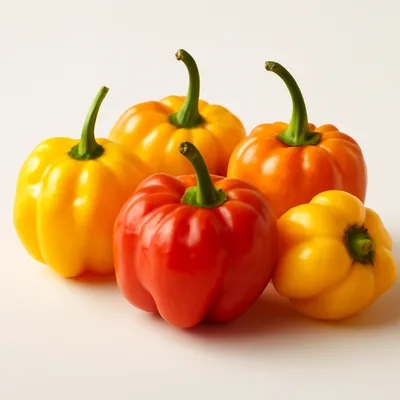
Conch slow-braised in a tomato-scotch-bonnet creole sauce with green peppers, onion, and thyme. The conch is pounded thin first to break down the connective tissue, then simmered until the broth concentrates around it. A coastal Haitian dish; the Île-à-Vache fishermen are known for it. Served with white rice or rice-and-beans.



The word lambi comes from Haitian Creole (Kreyol), where it simply means conch — a language that evolved on the island from 17th-century French, its frame French but its voice carrying West African inflection. Pre-colonial Taino populations harvested queen conch (Strombus gigas, recently reclassified Aliger gigas) — a pink-lipped sea snail whose shell reaches 30 cm — from Haitian reefs long before European contact. Stewing the conch in a tomato-based creole sauce built on epis (the foundational Haitian green seasoning base) is a distinctly Haitian preparation, fusing French-Creole and West African hands. Tellingly, lambi names more than the meat: a drilled conch shell becomes a horn, and on the night of the 1791 Saint-Domingue slave insurrection these conch trumpets were sounded across the hills to signal the uprising — the revolt that, eight years on, birthed independent Haiti in 1804. One word for both the everyday seafood on the plate and the horn that called a nation to break its chains. Within the Caribbean this braised-in-sauce treatment is fairly unusual: in the Bahamas, by contrast, conch is more often battered and fried (cracked conch) or served raw as conch salad.
Conch is firm with a clean ocean sweetness — it doesn't taste fishy when properly tenderized. The creole sauce is built around scotch bonnet's fruity heat rather than its full burn; thyme and bay leaf give the cooked-tomato depth, with epis carrying the aromatics underneath. Eat with mounds of plain white rice that soaks up the sauce.
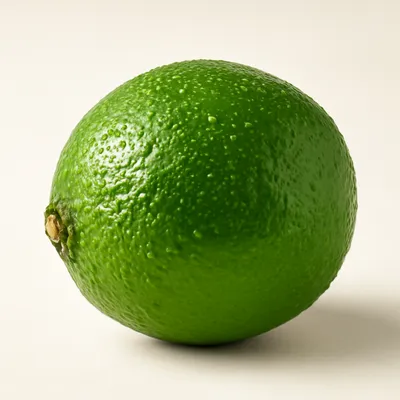
Conch is almost entirely tightly-wound muscle fiber and collagen connective tissue (the foot muscle); without help it stays rubbery no matter how long you cook. Tenderizing it relies on three forces working together. First, pounding: a few minutes of mallet work mechanically fractures the perimysium and endomysium sheets that bundle the fibers, shortening them so each bite takes less effort — but pounding alone does not turn collagen into gelatin; it only loosens the structure. Second, an acid cure: lime juice (pH around 2) for about 15 minutes denatures the surface proteins much as a ceviche does, deodorizing and pre-softening the flesh — overdo it and the surface 'cooks' and toughens, so it is kept brief. Third, the long braise: sustained heat above 70°C for 25 minutes or more hydrolyzes the remaining collagen into gelatin, which is when the meat finally turns silky and absorbs the sauce. All three are needed. As for the heat-aroma, scotch bonnet's fruit-and-capsaicin profile carries best in an oil-tomato emulsion, so blooming it with the epis and onion at the start is structural.
Variations
Some Port-au-Prince kitchens add a splash of clairin (Haitian sugarcane rum) for caramel sweetness. Lambi in coconut sauce is a Cote-Sud variant. Worth noting: queen conch has been so heavily overfished that it has been listed on CITES Appendix II since 1992, so the main ingredient of this coastal staple is in fact a species that must be harvested with restraint. Bahamian-style cracked conch (battered and fried) is a different dish entirely.
On the Palate
Where Lambi sits in the Haitian flavor cloud
Ingredients
Serves 4



How it's made
7 steps · 1 hour active + 30 min waiting
- 15 min
Clean and tenderize 600g conch: cut into 4 cm strips, pound 5 minutes with a meat mallet between two sheets of plastic until visibly flattened.
Watch outPound the conch strips until they look flattened and translucent at the edges — skimp here and they stay rubbery no matter how long they simmer.
- 230 min
Marinate conch in juice of 2 limes, 1 minced garlic clove, salt, pepper. Rest 30 minutes.
Watch outFifteen to thirty minutes in the lime is enough — the surface turns opaque and firm; leave it hours and the acid makes it tough instead.
- 39 min
Heat 3 tbsp oil in a heavy pot over medium. Sauté 1 chopped onion 5 min, add 1 sliced bell pepper, 4 minced garlic, 1 chopped scotch bonnet. Cook 4 min.
- 48 min
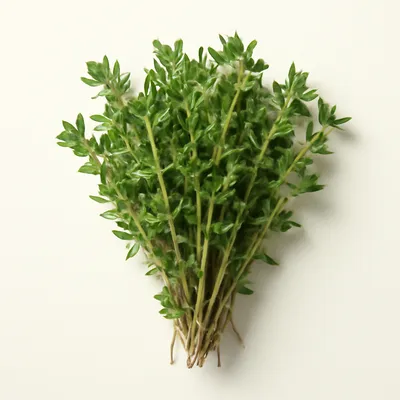
Add 400 g diced tomatoes, 1 tsp thyme, 2 bay leaves. Reduce 8 min.
- 53 min
Add conch + marinade, 200 ml water, 1 tsp tomato paste. Bring to simmer.
- 625 min
Cover, low heat, simmer 25 minutes. Conch should be tender to a fork.
Watch outIt's done when a fork slides in with just light resistance — pull it before it goes past tender or it tightens back up chewy.
- 73 min
Adjust salt, finish with a squeeze of lime. Serve over white rice.


