
Haiti's national meat dish — pork shoulder marinated overnight in epis, simmered until tender, then fried until the edges turn crackling-crisp, served with pikliz and rice.
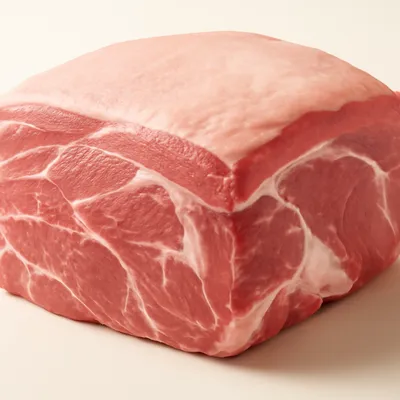


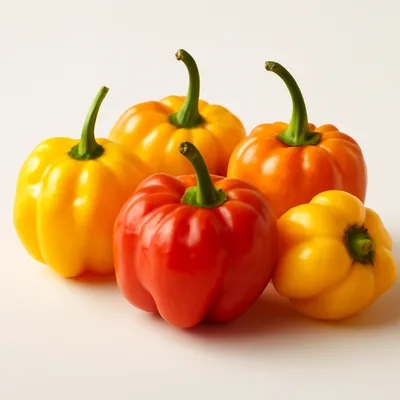
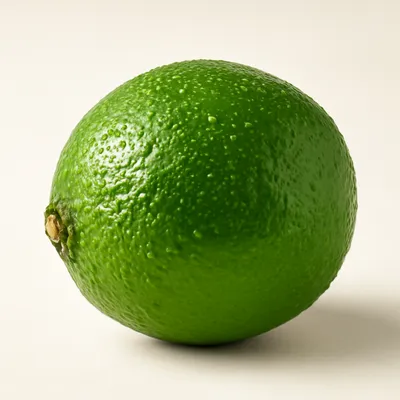
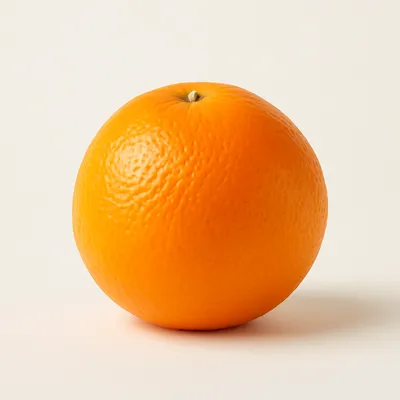
Griot (griyo in Haitian Creole, also written grillots) is the most-cited Haitian dish — served at every wedding, every Sunday lunch, every fête — and is often named alongside diri ak pwa wouj (red beans and rice) as Haiti's national dish. Its roots trace to the colonial era, when the marinate-then-cook technique likely carried over with enslaved West Africans, who turned the humbler, less-prized cuts of pork into something prized through local seasoning and a two-stage cook. That two-stage method (braise until tender, then fry until crisp) is distinctively Haitian, unlike Cuban masitas (just fried) or Cajun cracklins (just fried fat). The signature is epis, the Haitian green seasoning paste of parsley, garlic, peppers and lime that both flavors and tenderizes the meat. The name has two competing explanations: one traces it to the West African griot — the high-status storyteller-musicians for whom the prestige dish was supposedly first reserved — the other to the French griller (to grill/fry), after the final crisping step. Its festive, prestige status also owed to the historically high local price of pork shoulder.
A griot cube has three textures in one bite: mahogany-charred edge that shatters, juicy braised interior, and a thin caramelized lacquer where the epis-glaze gripped the surface during frying. Pikliz's vinegared cabbage cuts the richness with sharp lime-and-pepper. Rice underneath catches the dripping oil.
The two-stage cook is the whole trick. First the long braise in its marinade collagen-melts the shoulder into a fork-tender, gelatin-rich state — and it is cooked down until the liquid nearly evaporates, which dries the surface of the cubes; that drying isn't just to finish the sauce but to prep the fry, since wet meat steams and spatters instead of crisping. Then the dry-pan fry caramelizes the clinging epis and rendered pork fat via the Maillard reaction, building the signature crackling edge. Going straight to fry (skipping the braise) gives chewy, not-tender pork because the collagen never melts; skipping the fry gives bland boiled pork with no Maillard browning. The drained braising liquid is often saved as sòs ti-malis, a spicy sauce served alongside.
Variations
Cooks differ mainly in how dark and caramelized they take it and how much sweetness the citrus lends: some fry it deeper for a heavier char, others use more sour-orange juice for a faintly sweet finish. Haitian-American restaurants sometimes skip the simmer and over-fry as a shortcut — purists insist on both the braise and the fry, served with pikliz, bannann peze (fried smashed plantains) and diri kole (rice and beans).
On the Palate
Where Griot sits in the Haitian flavor cloud
Cook the braising liquid down until the pork looks almost dry before frying — wet meat steams and spatters instead of building the Maillard crust that defines griot.
Ingredients
Serves 6



How it's made
5 steps · 40 min active + 3 hours 20 min waiting
- 110 min
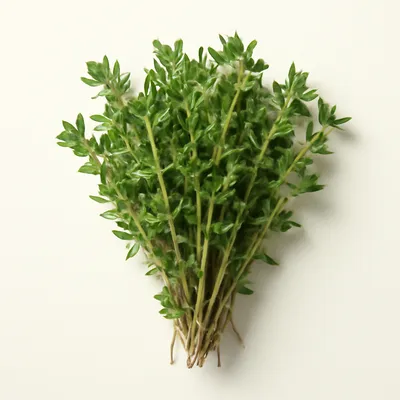
Make epis: blend 1 bunch parsley, 1 bunch chives or green onions, 6 garlic cloves, 1 scotch bonnet, 1 tbsp salt, juice of 2 limes, 4 tbsp oil. (Makes ~250g; use half here, save half.)
- 2245 min
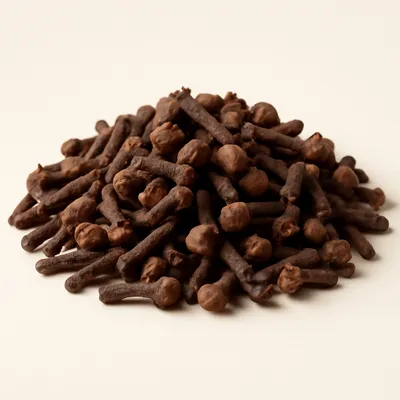
Cut 1.5kg pork shoulder into 5cm cubes. In a bowl, toss with 125g epis, 2 tbsp salt, juice of 2 oranges, 1 tbsp ground cloves. Cover and marinate at least 4 hours, ideally overnight.
- 395 min
Transfer pork + all marinade to a heavy pot. Add water just to cover (about 500ml). Bring to a boil, then reduce and simmer covered 1.5 hours until pork is fork-tender.
Watch outWater should just cover the cubes; too much and the reduction takes forever.
- 430 min
Uncover and continue simmering, stirring occasionally, until liquid reduces to a sticky glaze and coats the meat, about 30 min. The pork should look almost dry.
Watch outThe liquid should thicken to a shiny glaze clinging to the meat, and the surface of the cubes should look matte and dry.
- 520 min
Heat 3 tbsp oil in a wide skillet over high. Working in batches, fry pork cubes 5-7 min per batch, turning, until edges char-crisp and exteriors are deep mahogany. Serve hot with pikliz, rice, and fried plantains.
Watch outFry in batches over high heat until the edges char-crisp to deep mahogany; crowding the pan drops the temperature and steams them.
Archive tool suggestions — not reviewed
These legacy suggestions have not been evidence-reviewed and are not presented as required tools.



