
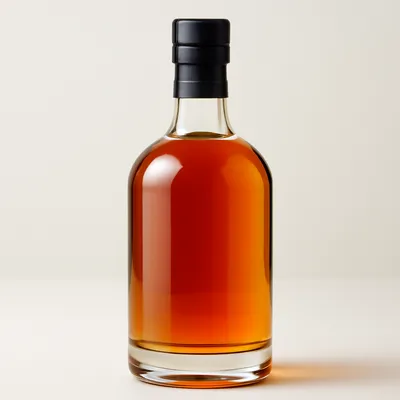
Braised goat from the "Línea Noroeste" (Northwest Line) of the Dominican Republic — cubed goat marinated with sour orange, rum, oregano, garlic and chili, then slow-braised in a tomato-sofrito sauce until tender, and usually spicy. The region's free-ranging goats graze on wild oregano and thorny brush across the arid lowlands, which is said to give the meat a distinctive herbal, faintly bitter flavor prized across the country.




The name ties the dish to the "Línea Noroeste" — the arid northwestern provinces of Montecristi, Dajabón, Mao (Valverde) and Santiago Rodríguez, known locally as "La Línea." A goat raised here is liniero by where it grazed, not where it was born; Montecristi in particular is regarded as the dish's home. In these dry, scrubby lowlands the free-ranging goats forage on wild oregano (orégano) and a thorny shrub locals call cambrón; tradition holds that the animals "season themselves" as they graze, lending the meat its herbal scent — a much-repeated claim that is hard to verify but central to the region's reputation. Goat is not everyday meat in the Dominican Republic but a dish for celebrations, holidays and gatherings, which gives chivo liniero its festive character.
Meat is braised to fork-tenderness, sliding off the bone without turning to mush. The tell is in the aroma: the natural gaminess of goat is tamed, and what rises is the herbal scent of oregano with a faint bitter edge — the signature of goats raised on wild brush. The sauce is thick and savory, grounded in tomato, with chili heat that builds in layers and settles at the back of the throat rather than hitting hard. Eaten with white rice and red beans, with bread to mop the sauce.
The goat is first rubbed and washed with cut sour orange (naranja agria), whose fruit acid strips the meat's gamey edge, then marinated two to three hours with rum, garlic, oregano, assorted chilies and spices. It is browned in oil, then simmered with added water so the long, gentle heat breaks down connective tissue into tenderness without drying the meat; once nearly soft, onion, cilantro, tomato sauce and sofrito go in to build the glossy red braise. The herbal, faintly bitter note found nowhere else is traced — by local account — not to the pot but to the wild oregano and scrub the goats graze on: the meat tastes of what the animal ate.
Variations
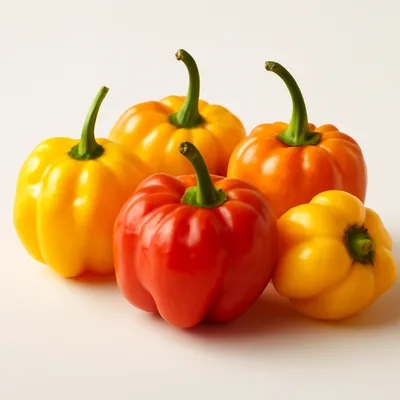
The most common form is chivo guisado picante (spicy stewed goat), finished with extra local cachucha chilies or habaneros to push the heat to the fore — the version most prized by Línea diners. Beyond braising, the goat is also roasted whole; along the highway linking Montecristi to Navarrete, roadside eateries draw passing travelers with both the stewed and roasted liniero goat.
On the Palate
Where Chivo Liniero sits in the Dominican flavor cloud
Ingredients
Serves 6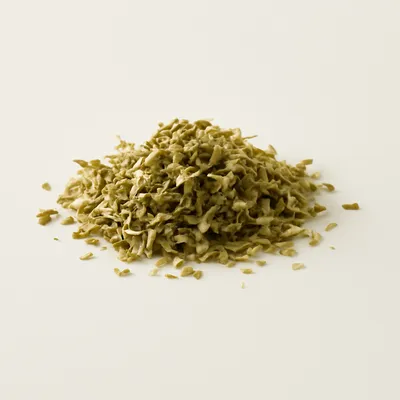






How it's made
7 steps · 40 min active + 1 hour 50 min waiting
- 1248 min
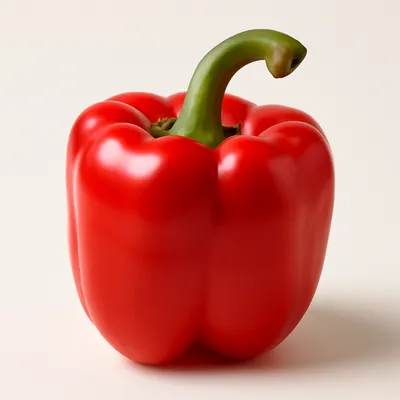
Cube 1.5 kg goat shoulder into 4 cm pieces. Marinate with juice of 3 bitter oranges (or 2 orange + 1 lime), 4 tbsp dark rum, 1 head garlic minced, 2 tbsp oregano, 1 chopped scotch bonnet, 1 tbsp salt, 2 tsp black pepper. Refrigerate 4 hours.
Watch outRub the goat with the cut sour orange until the surface looks clean and smells bright — that fruit acid is what strips the gamey edge.
- 23 min
Drain meat, reserve marinade. Pat dry.
Watch outPat the meat bone-dry before searing — surface water steams instead of browning and you'll never get a crust.
- 316 min
Heat 3 tbsp oil in a heavy pot. Sear goat in batches 4 min per batch. Remove.
Watch outSear in batches until each side is deep brown — crowd the pot and it stews gray, losing the browned flavor that colors the whole braise.
- 46 min
Sauté 2 chopped onions, 1 bell pepper, 4 more garlic 5 min.
- 55 min
Add 2 tbsp tomato paste, cook 2 min. Add reserved marinade, 2 cups beef stock, 2 bay leaves, 1 tsp cumin.
- 695 min
Return goat. Bring to simmer. Cover, low heat, cook 90 min until fork-tender.
- 712 min
Uncover, reduce sauce 10 min until thick. Serve over rice and beans with avocado.
Watch outReduce uncovered until the sauce turns glossy and clings to the meat — thin, watery sauce means it needs more time.


