
Dominican rice cooked together with pigeon peas (guandules) in coconut milk and sofrito — the rice goes mild-mauve from the bean liquid, the coconut milk lightens it. Christmas-and-celebration standard; the Spanish-and-African ingredient pairing perfected. Served alongside roast pork (puerco asado) at every Dominican holiday table.




"Moro" is the Dominican name for rice and a legume cooked together in one pot, shortened from the Spanish "moros y cristianos" (Moors and Christians), which reached Latin America from Spain in the colonial era — Cuba keeps the full name for its version, while the Dominican Republic shortened it to "moro." Dominican naming is systematic: rice cooked with a legume is moro; rice cooked with meat or seafood is locrio. Pigeon peas (guandules) were most likely domesticated in the Indian subcontinent, then spread to Africa where they became a staple, and reached the Caribbean through trans-Atlantic slave-trade and colonial routes — so in Dominican cooking they are often regarded as part of the African-rooted pantry. The coconut-milk version is specifically associated with the northeastern Samaná peninsula, a coconut-grove region where coconut is an everyday ingredient.
Rice is fluffy and distinct, tinted a pale grey-brown-mauve by the bean liquid, savory and mellow overall. Pigeon peas are firmer than red kidney beans — soft but with some chew, roughly like firm chickpeas — with a faint near-smoky, earthy depth. Where coconut milk is used, a light coconut sweetness drifts through. Bay leaf and oregano sit quietly in the background. The prized part is the toasted concón crust against the bottom of the pot — crisp and gold-mahogany, scraped up on purpose. A spoonful with a piece of roast pork's crackling on top is the canonical Dominican Christmas mouthful.
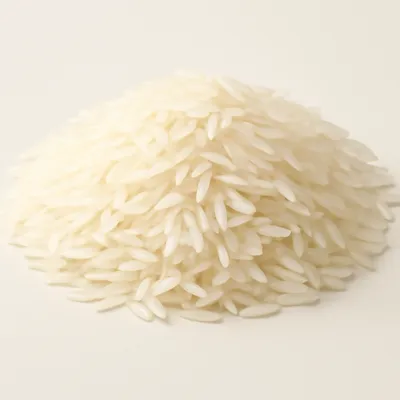
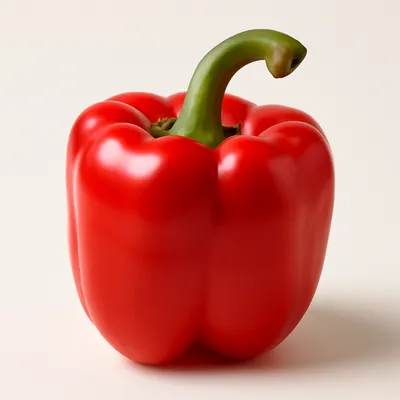
It all comes down to cooking the peas and rice together in one pot. A sofrito of finely chopped aromatics — onion, garlic, cubanelle pepper, cilantro — is sweated in oil; the pigeon peas and their cooking liquid go in (with coconut milk added at this stage in coastal versions), and once the liquid boils the long-grain rice is stirred in to cook in the seasoned, bean-stained broth. As it cooks, the peas' color and flavor steep into the grains, tinting the rice and seasoning it through. As the liquid reduces to almost nothing, the pot is covered and the heat dropped low so the rice steams off the rest; the layer of rice against the pot wall dehydrates and toasts into the concón crust. It should not be stirred during this stage, or the layers break up and no crust forms. Off the heat it rests a few minutes so the grains set without the beans overcooking.
Variations
Swapping the legume gives a different moro: moro de habichuelas uses red beans and is the more everyday version; moro negro uses black beans and leans more Cuban. Coconut is the other dividing line — coastal cooks, especially in Samaná, favor a coconut-milk version, while inland kitchens use water or broth. Family recipes vary further: some Cibao kitchens add a smoked pork bone to the cook for deeper savor.
On the Palate
Where Moro de Guandules sits in the Dominican flavor cloud
Ingredients
Serves 6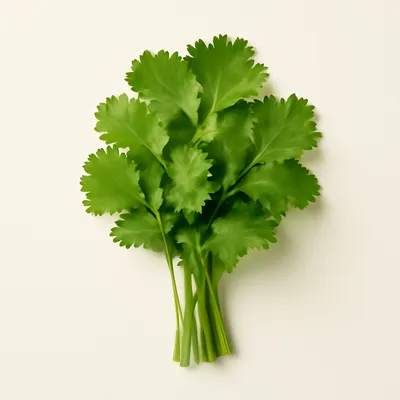


How it's made
7 steps · 25 min active + 35 min waiting
- 150 min
If using dried pigeon peas: soak 1 cup overnight, then boil 45 min. If canned: drain 1 (15 oz) can, reserve liquid.
- 26 min
Heat 3 tbsp oil in a heavy pot. Sauté ½ cup sofrito (or 1 onion + 1 bell pepper + 4 garlic + cilantro chopped) 5 min.
- 33 min
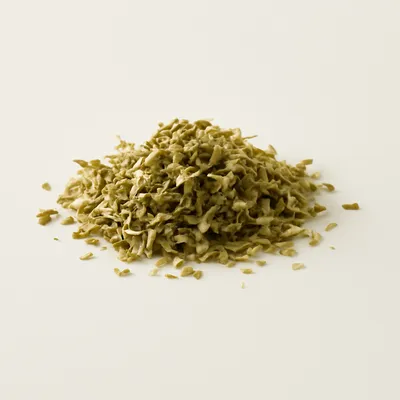
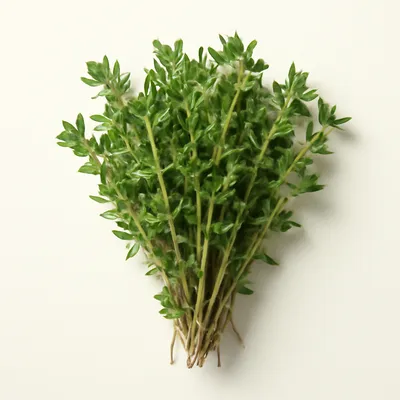
Add 1 tsp oregano, 1 tsp dried thyme, 1 tbsp tomato paste. Cook 2 min.
- 45 min
Add 1.5 cups pigeon peas + 1 cup coconut milk + 2 cups water (or bean cooking liquid + water to 2 cups), 1 tsp salt, 1 bay leaf.
- 53 min
Bring to boil. Add 2 cups rinsed long-grain rice. Stir once.
Watch outGive it one stir when the rice goes in, then leave it — keep poking and the grains rub loose their starch and turn gluey.
- 623 min
Reduce to lowest heat, cover, cook 22 min.
Watch outDrop to the lowest flame and clamp the lid — you want the seasoned liquid to steam up into the grains, a strong boil scorches the bottom.
- 79 min
Off heat, rest covered 8 min. Fluff and serve.
Watch outLet it sit covered off the heat before fluffing — the trapped steam finishes any firm grains and lets them separate cleanly.


