
Crispy thin Dominican cassava flatbread — bitter cassava grated, pressed to remove toxic liquid, dried, then sifted into flour and cooked on a hot flat clay griddle (burén) into large round discs. The Taíno-indigenous flatbread that predates European contact, still made in rural Dominican Republic, Haiti, Cuba, Puerto Rico, and Venezuela. Cracker-like, neutral-flavored, the original Caribbean bread.
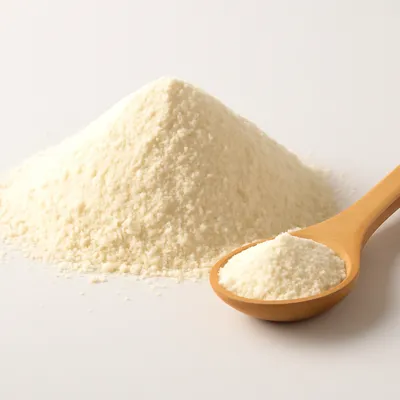

Casabe is the pre-Columbian Taíno indigenous bread of the Greater Antilles — the same flatbread the Taíno people offered to Columbus when he arrived in 1492. The technique survives largely unchanged in rural Dominican Republic, Cuba, and Venezuela: bitter cassava roots (different from the sweet cassava used for boiling) must be grated and pressed to remove their natural cyanide content, then the dried fibers are pressed into thin discs and cooked on a hot griddle. The bread is naturally gluten-free and shelf-stable for weeks. Modern Dominican home cooks often buy commercially-made casabe; the traditional method is preserved by rural communities and indigenous-revival groups.
Break off a piece of casabe — it shatters with a satisfying crisp snap, the texture between cracker and matzo. Bite: neutral, slightly nutty, no salt or sweet to interfere with whatever you're eating it with. Dip into sancocho broth — the casabe absorbs flavor while remaining structural. Pair with sliced avocado and salt — the casabe is a vehicle for richer toppings. With cheese and olive oil drizzle, it's a Dominican appetizer. The texture and neutrality are the dish — this isn't bread for flavor, it's bread for function.
Bitter cassava contains hydrogen cyanide bound as cyanogenic glycosides (linamarin), which release HCN on cellular damage. Grating ruptures cells; pressing the pulp through a woven tube-sieve (cibucán) squeezes out the toxic liquid (yare) and removes most of the cyanide — this squeezing is the step that makes the root safe to eat. Sifting and baking on the hot griddle (burén) drive off residual HCN and finish the bread. The final cassava flour is mostly pure starch — when heated with the residual moisture in the flour itself, the starch gelatinizes and fuses the loose flour into a solid disc (similar to how a starch-based gluten-free flatbread works). No leavening, no oil, no fat — just starch + heat + a tiny bit of moisture. The result is fully crisp because the moisture is minimal.
Variations
Sweet casabe sprinkles cinnamon and brown sugar on the griddle before cooking — dessert version. Cheese casabe sandwiches grated white cheese between two thin layers — Cuban version. Garlic-oil casabe is brushed with oil + garlic after cooking — Dominican appetizer. Coconut casabe adds shredded coconut to the flour — Samaná peninsula version. Diaspora casabe uses store-bought cassava flour from Latin grocery (replaces steps 1-4) — far easier, identical result. Casabe with butter is Dominican breakfast comfort.
On the Palate
Where Casabe sits in the Dominican flavor cloud
Ingredients
Serves 8How it's made
13 steps · 1 hour 30 min active + 1 hour 30 min waiting
- 11 min
WARNING: this dish uses bitter cassava which contains toxic cyanogenic compounds. Sweet cassava (the common supermarket type) is NOT bitter cassava. If you cannot source bitter cassava (yuca brava), use cassava flour for steps 1-3 and skip to step 4.
- 222 min
Grate bitter cassava: peel 1 kg bitter cassava (yuca brava). Grate finely using a box grater or food processor.
- 317 min
Press out the liquid: place the grated cassava in a clean cloth (jelly bag or large muslin). Twist and squeeze hard to extract all the milky-toxic liquid. (Traditional Taíno method uses a flexible woven 'sebucán' press.) The discarded liquid is poisonous — do not consume.
Watch outTwist and wring the grated cassava hard until the milky liquid stops running — that squeezed-out juice is the poison, so keep pressing until the pulp comes out dry.
- 492 min
Dry the cassava fiber: spread the pressed cassava on a baking sheet. Air-dry 4-6 hours, or oven-dry at 60°C for 90 min until fibers are crumbly and dry.
- 54 min
Sift the dried cassava through a fine-mesh sieve into a clean bowl. This gives you 'almidón de yuca' — cassava flour (about 400 g from 1 kg fresh).
- 65 min
Heat a flat-top griddle (budare or comal) over medium heat until very hot but not smoking. Lightly sprinkle with salt.
- 73 min
Spread ½ cup cassava flour onto the griddle in a 25-cm round, about 5-mm thick. Pat down lightly with the back of a spoon.
- 85 min
Cook 4-5 min until the underside is golden-spotted; the flour will fuse into a solid disc as the starch gelatinizes from the heat and the cassava's own moisture.
Watch outThe loose flour welds into one solid disc as it cooks — leave it until the underside shows golden freckles and it lifts in a single piece, not before.
- 94 min
Flip carefully (use a wide spatula). Cook 3-4 min on the second side.
- 103 min
Lift the casabe onto a rack to cool. It will crisp further as it cools.
- 1131 min
Repeat with remaining flour for 4 more discs (5 total).
- 121 min
Store: completely cooled casabe in an airtight container keeps 1-2 weeks at room temperature.
- 133 min
Serve: break casabe into pieces. Eat as a cracker with cheese, avocado, sancocho, or any savory dip. Some Dominicans drizzle with olive oil and garlic for an appetizer.


