
Crescent-shaped fried pastries filled with seasoned beef (or chicken, cheese, ham). The dough is thin and crisp, the filling tightly sealed; one shatters in two bites. Served at every Dominican party as the entrada and at the corner panadería at 4pm. The Dominican answer to the empanada.





Descends from the Iberian empanada tradition — dough folded around a filling, baked or fried — which originated in Spain (the oldest written record dates to 16th-century Catalonia) and spread across the Spanish-speaking world along colonial routes, each region adapting it to local taste. The Dominican version keeps a wheat-flour dough but rolls it thinner and smaller than the empanadas of neighboring traditions, which is what earns it the separate name. The olive, caper and raisin notes in the picadillo filling are a clear trace of Spanish colonial habit. In the Dominican Republic it is far more than an everyday snack — it is a symbol of gathering: it's hard to imagine a Christmas Eve table without pastelitos and empanadas, and fresh out of the fryer they are tempting enough that people are warned off them before dinner or the platter vanishes. Many Dominican recipes do use egg in the dough, though the claim that this is rare elsewhere is not well established.
First bite: glossy bubbled crust shatters with a snap; the second bite finishes the pastelito. Inside is hot, juicy, salty-savory beef with olive and caper bursts. The dough is thin enough that filling-to-pastry ratio leans toward filling — that's the Dominican signature. Hot sauce or pink sauce dunking is the optional but expected move.
A wheat-flour dough is rolled into thin rounds, filled with seasoned, deliberately dry-cooked ground beef (or chicken, or cheese), folded over, crimped sealed with a fork, and deep-fried until golden and blistered. The filling is cooked down dry for a reason: a wet filling steams from the inside during frying, softening and bursting the shell. Dominican dough commonly includes egg, which is said to help give the crust its glossy, bubbled finish — though the blistered shell owes more to a thin pastry meeting hot oil. Some recipes also add a little vinegar to relax the gluten so the crust stays tender rather than chewy.
Variations
Pastelitos de queso (cheese, usually a salty white frying cheese) and pastelitos de pollo (chicken) are common, along with pastelitos de jamón y queso (ham and cheese, a kid favorite); sweet pastelitos de guayaba (guava paste with cream cheese) are a dessert version. Several cousins share the same party platter, distinguished mainly by the dough: empanadas are usually larger with a thicker dough and often shaped as a half-moon; catibías swap in grated cassava (yuca) flour for a lighter, slightly chewy fried shell; and the rugby-ball-shaped quipes — the local take on Middle Eastern kibbeh, brought by immigrants in the mid-20th century — use a seasoned bulgur-wheat casing around ground beef. Dominicans do not fully agree on how pastelitos differ from small empanadas, or even whether the shape runs rounder or more crescent.
On the Palate
Where Pastelitos sits in the Dominican flavor cloud
Ingredients
Serves 8




How it's made
7 steps · 40 min active + 50 min waiting
- 18 min
Dough: combine 3 cups flour, 1 tsp salt, 2 tbsp sugar. Cut in 4 tbsp butter. Whisk 1 egg + ½ cup cold water + 1 tbsp white vinegar; mix into flour until shaggy.
- 230 min
Knead 5 min. Wrap, refrigerate 30 min.
- 35 min
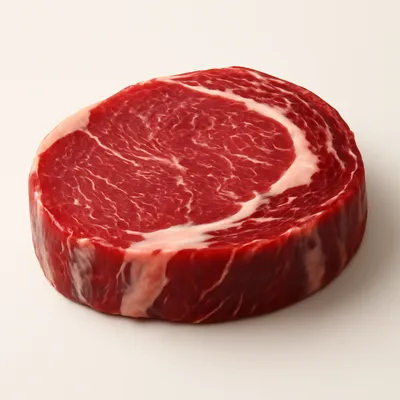
Filling: heat 1 tbsp oil. Sauté ½ chopped onion, 2 garlic 4 min. Add 350 g ground beef. Brown 6 min.
- 46 min
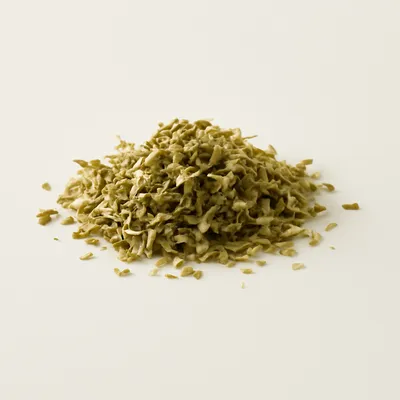
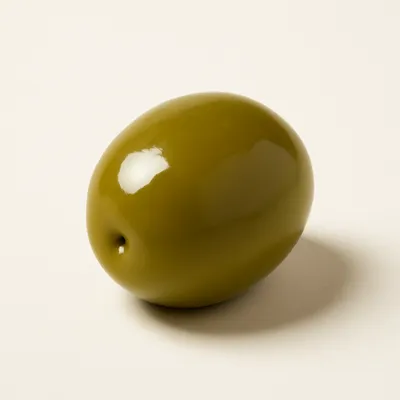
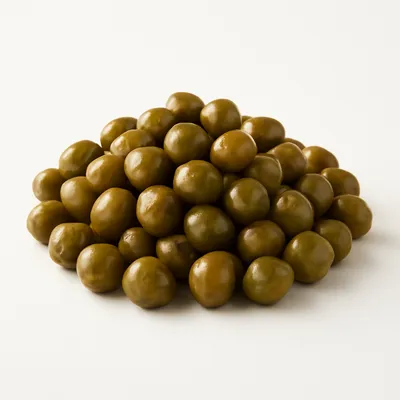
Add 1 tbsp tomato paste, 1 tsp oregano, ½ tsp paprika, salt, pepper, 2 tbsp olives chopped, 1 tsp capers. Cook 5 min until dry-ish. Cool.
Watch outCook the beef down until it looks dry, not saucy — a wet filling steams inside while frying and bursts the shell open.
- 518 min
Roll dough thin (3 mm). Cut 10-cm circles. Place 2 tbsp filling on half. Brush edge with water; fold over; press; crimp with fork.
Watch outBrush the edge with water and crimp firmly with a fork — any gap and the hot oil forces the filling out mid-fry.
- 66 min
Heat 4 cm oil to 180°C. Fry pastelitos 3 min per side until deeply golden and bubbly.
Watch outHold the oil around 180 degrees — too cool and the pastry drinks oil and goes greasy instead of crisping up blistered.
- 73 min
Drain on rack. Eat hot with hot sauce or Dominican pink sauce.


