
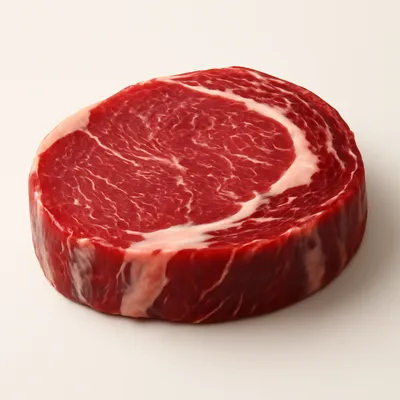
Cigar-shaped Puerto Rican fritters with a grated green-banana-and-yautía dough wrapped around a sofrito-seasoned beef or crab filling. Deep-fried until the dough darkens to mahogany and the inside is steaming. Coastal kiosko food across Loíza and the northern beaches; eaten by hand off paper plates.
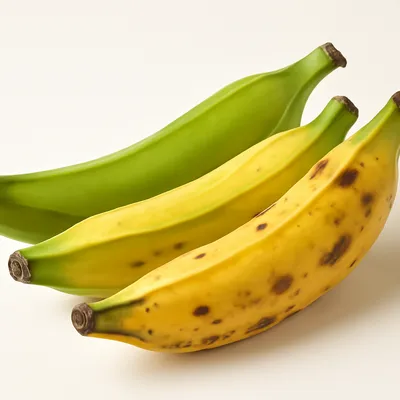
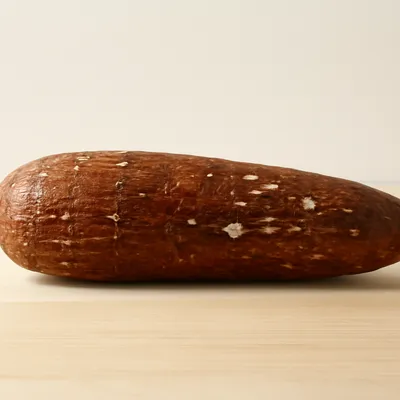


A Puerto Rican creole fritter drawing on Taíno, African, and Spanish roots. The root-vegetable masa of yautía and green banana carries the island's Indigenous Taíno habit of cooking with starchy tubers; the deep-frying technique is widely traced to enslaved West Africans, while the Spanish contributed lard for richness and annatto for color. The name's origin is disputed — some trace it to Taíno, others to the Arabic for "filled" (al-kabur) brought by Levantine immigrants, echoing Middle Eastern kibbeh. The torpedo shape is the signature of the Loíza coast, distinct from the round bolitas of central PR. Still made fresh at beach kioskos along the north coast, notably at Piñones.
Outer crust is dark and crackly, slightly chewy where it meets the moist interior. Inside is starchy-sweet from the green banana and yautía, savory-salty from the meat filling, with olives bursting brine. The annatto-tinted oil gives the dough its characteristic deep golden-red hue. Best eaten at the beach with cold beer.
Grated green banana has high resistant starch that turns sticky-cohesive when worked — that's why the dough holds the torpedo shape without flour binder. Yautía adds fluffiness. The annatto oil isn't decorative — it actually gives the dough's surface a faster Maillard browning during the fry. Frying at 175°C is the structural balance: hot enough to crisp, slow enough to cook the interior.
Variations
Crab alcapurria (alcapurria de jueyes) is the Loíza northern-coast specialty. Lechón filling (shredded roast pork) is a Christmas variant. Inland Puerto Rican kitchens skip the yautía and use only green banana.
On the Palate
Where Alcapurrias sits in the Puerto Rican flavor cloud
Ingredients
Serves 6

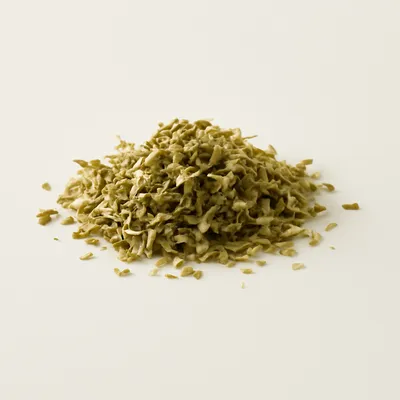
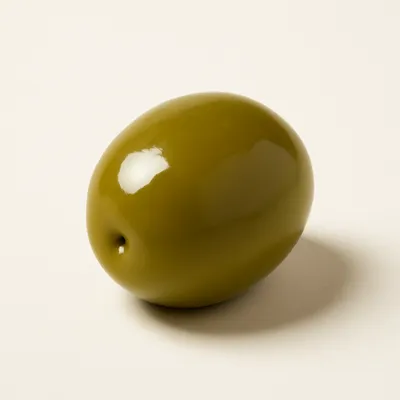


How it's made
7 steps · 50 min active + 40 min waiting
- 111 min
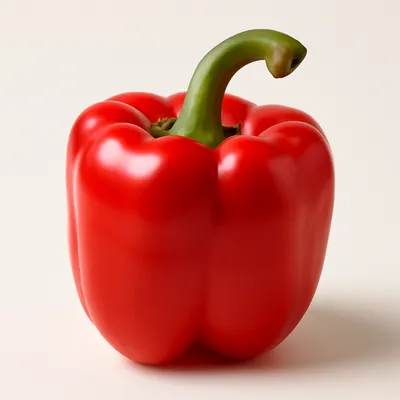
Filling: heat 2 tbsp oil. Sauté ½ cup sofrito (or 1 onion + 1 bell pepper + 4 garlic + cilantro chopped) 5 min. Add 400 g ground beef. Brown 6 min.
- 25 min
Add 1 tbsp tomato paste, 1 tsp oregano, salt, pepper, ¼ cup chopped olives. Cook 4 min until dry. Cool.
- 38 min
Dough: peel and grate 3 green bananas + 200 g cassava (yautía substitute) on the fine side of a box grater into a bowl.
- 43 min
Mix in 1 tsp salt, 1 tsp annatto-tinted oil (or paprika + oil). Beat 2 min until cohesive.
Watch outBeat the grated banana until it turns sticky and holds together — that cohesion is what lets it seal without any flour.
- 515 min
Lay a 12-cm square of banana leaf (or parchment) on counter. Oil the leaf. Spoon 3 tbsp dough on it, flatten to 1 cm thick. Place 1.5 tbsp filling on one half. Using the leaf, fold dough over to seal. Smooth into cigar shape.
Watch outFold the dough right over the filling with the leaf and press out any air — a trapped pocket lets oil seep in during the fry.
- 69 min
Heat 4 cm oil to 175°C. Slide alcapurrias off the leaves into oil. Fry 4 min per side until deeply mahogany.
Watch outSlide them in at a steady medium-hot oil and fry to a deep mahogany — too cool and the shell soaks grease before it crisps.
- 72 min
Drain on rack. Eat hot.


