
Half-moon Puerto Rican fried turnovers — rounds of thin wheat-flour dough wrapped around a seasoned filling (picadillo ground beef, cheese, land crab, or 'pizza'), folded over, crimped, and deep-fried until the shell blisters crisp. A staple of the island's beach kiosks and frituras tradition, sold at nearly every roadside stand on the way to the shore. The same item is called 'empanadilla' or 'pastelillo' depending on the region or the person — the terms overlap, with no firm rule.





These fried turnovers descend from the Iberian empanada, whose name comes from the Spanish verb empanar — 'to wrap in dough.' The wrapped-pastry tradition is generally traced to Galicia in northwest Spain, itself carrying echoes of the folded savory pastries left on the peninsula during the Moorish period. Spanish colonization brought the form to Puerto Rico, where it took on local fillings — picadillo, cheese, and an array of seafood — to become part of what Puerto Ricans call criollo cooking. Its real home is the beach: from the mid-20th century, kiosks along coastal lanes such as Piñones in Loíza sold them alongside bacalaítos and alcapurrias. Piñones is a heartland of Afro-Puerto Rican culture and land crab (jueyes), making the crab filling especially local there.
Fresh from the oil, the shell is golden and risen into a fine field of crisp blisters — that blistered crackle is the first tell of a turnover fried right. Under the crust comes the warm, soft filling: picadillo is savory and hearty, cheese pulls and melts, crab or local fish reads sweet and briny, and 'pizza' filling lands with cheese-and-tomato tang. Beach kiosks usually hand it over with a splash of pique (the local vinegar hot sauce) to cut the richness. Crisp against soft, savory against sweet — when those click in one bite, it's done right; an under-fried shell that never blisters and stays soft is the giveaway of a poor one.
Everything rests on the dough and the fold-and-fry. The dough is just wheat flour, water, fat (usually lard or shortening), and salt — unleavened, rolled thin, and cut into rounds; a thin, low-gluten round is what lets it blister crisp in the oil. The filling is made separately: most often picadillo simmered down with a criollo seasoning base, but also plain cheese, land crab, or 'pizza' (cheese and tomato sauce, sometimes with diced sausage). A spoonful goes in the center, the round is folded into a half-moon, and the curved edge is sealed — pressed with fork tines or braided into a trenza — to keep hot oil out of the filling. Dropped into hot oil, the thin shell flash-dries, puffs, and sets to a crisp golden case while the filling steams cooked inside.
Variations
The same item goes by different names across the island: most places say 'empanadilla,' many say 'pastelillo,' and both are considered correct — which one is larger, which dough each uses, and whether the seal is fork-crimped or braided all vary by town and family, with no fixed rule (some say later Cuban and Dominican migration shifted local terms). By filling, the range is wide: picadillo is the everyday base; plain cheese is the mild, kid-friendly one; 'pizza' (cheese and tomato sauce, often with sausage) is a modern addition; coastal cooks favor seafood — sweet land crab (jueyes), and chapín, a prized firm, mild, white local reef fish, are island favorites (Guayama on the south coast is especially known for chapín, which even has its own festival). Lobster, octopus, and shredded chicken (de pollo) also appear.
On the Palate
Where Empanadillas Boricuas sits in the Puerto Rican flavor cloud
Ingredients
Serves 8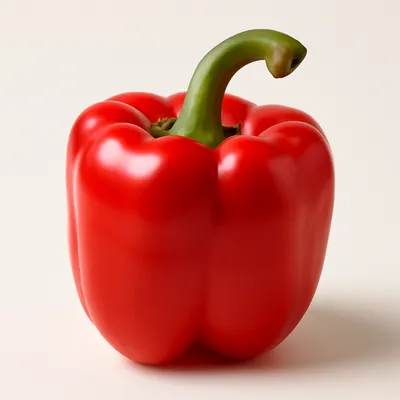





How it's made
7 steps · 45 min active + 45 min waiting
- 140 min
Dough: combine 3 cups flour, 1 tsp salt, 1 tbsp sugar. Cut in 5 tbsp lard or butter. Whisk 1 egg + ¾ cup cold water + 1 tbsp white vinegar; mix into flour until shaggy. Knead 5 min. Wrap, refrigerate 30 min.
- 26 min
Filling: heat 2 tbsp oil. Sauté ½ cup sofrito (or 1 onion + 1 bell pepper + 4 garlic + cilantro all chopped) 5 min.
- 37 min
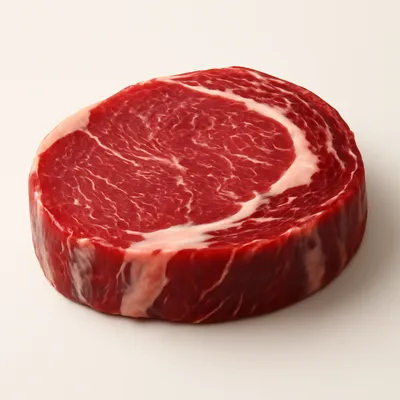
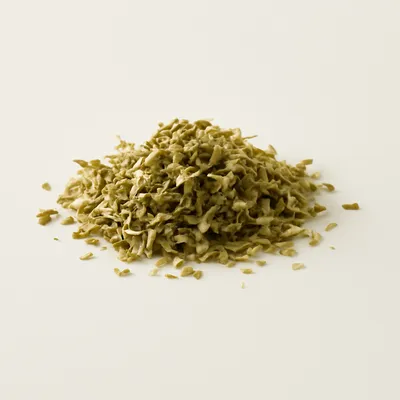
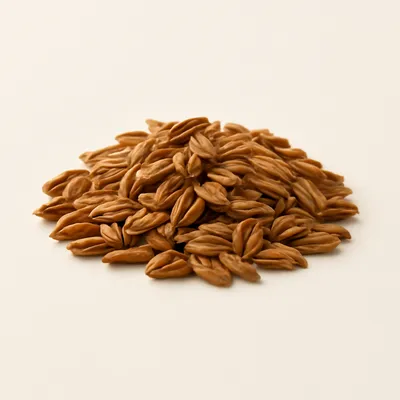
Add 450 g ground beef. Brown 6 min. Add 2 tbsp tomato paste, 1 tsp oregano, 1 tsp cumin, ½ tsp paprika, salt, pepper.
- 46 min
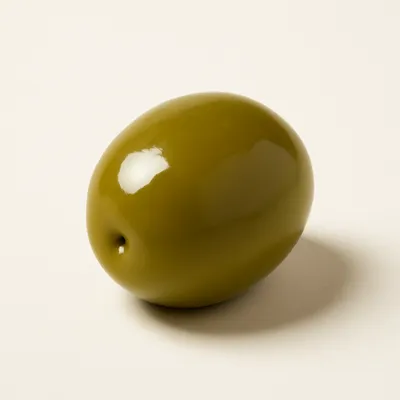
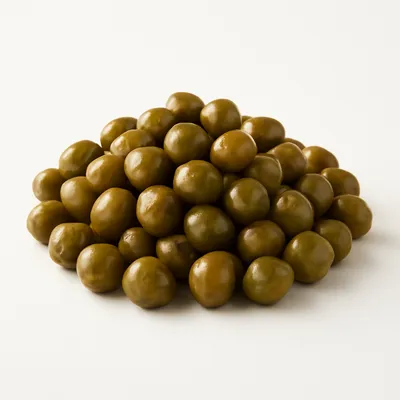
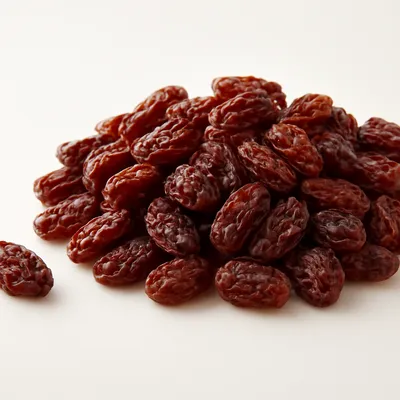
Add 3 tbsp chopped olives, 1 tbsp capers, 3 tbsp golden raisins. Cook 5 min until dry. Cool completely.
Watch outCook the filling until the pan looks dry and completely cool it before wrapping — a wet or warm filling steams the dough and bursts the pastry in the oil.
- 518 min
Roll dough thin (4 mm). Cut 15-cm circles. Place 3 tbsp filling on half. Brush edge with water; fold over; press; crimp with fork.
Watch outBrush the rim with water and press hard, then crimp with a fork — any gap and the filling leaks out and spatters in the hot oil.
- 66 min
Heat 4 cm oil to 180°C. Fry 3 min per side until deeply golden and bubbly.
Watch outHold the oil at a steady frying heat — too cool and the crust soaks oil and goes greasy instead of blistering crisp and golden.
- 73 min
Drain on rack. Serve hot with hot sauce or pique (PR vinegar-and-pepper sauce).


