
Puerto Rico's brothy rice stew, widely called the island's national soup — soupier than dry rice and somewhere between a soup and a stew. Bone-in chicken (or seafood) simmers in a sofrito-and-tomato broth, then rice is cooked in the same pot until it swells, just-tender, and its released starch thickens the liquid into a loose, spoonable rice stew. Kept caldoso (soupy), it's a rainy-day and gathering comfort dish.


Asopao traces to 16th-century Spanish colonization: Spanish brothy-rice cooking (arroz caldoso, dishes in the arroz-con-pollo family) reached the Caribbean and fused with African stewing technique and indigenous Taíno ingredients into the dish known today — local food historians often describe it as a cross between saffron rice and gumbo. It didn't appear on restaurant menus until the 1800s, though households already kept their own inherited recipes. Puerto Ricans widely regard it as the island's national soup, a reflection of its colonial history and multi-ethnic identity in a single bowl.
A spoon scoops broth, rice and a piece of chicken or a few shrimp at once. The broth is the heart — tomato and sofrito, with a tangy lift from olives and alcaparrado (olives and capers). Rice is tender but holds shape, never gluey. The tell is the texture: soupy and loose, the grains thickening the liquid slightly but still spoonable — not a clear soup, not dry rice. Tostones (fried green plantains) on the side for dipping. Comfort food on a rainy island.
The dish is kept soupy on purpose: rice is cooked uncovered in excess liquid (covered would steam it dry), so the grains swell while their released starch melts into the broth and thickens the whole pot into a loose, spoonable rice stew — no flour needed. With chicken, the bone-in meat's collagen adds extra body to the broth. Olives go in at the start so their brine penetrates; capers (alcaparrado) go in late to keep their texture. It stays caldoso throughout, the opposite of dry rice.
Variations
The three classics: asopao de pollo (chicken, the most common), asopao de mariscos (seafood — shrimp, clams, sometimes squid or lobster, a coastal version), and asopao de gandules (pigeon peas instead of meat, a Friday-fasting / meatless tradition; pigeon-pea broth was also the dish's original base). Households vary it freely, some leaning heavier on olives and capers for tang.
On the Palate
Where Asopao Puertorriqueño sits in the Puerto Rican flavor cloud
Ingredients
Serves 6




How it's made
7 steps · 30 min active + 45 min waiting
- 140 min
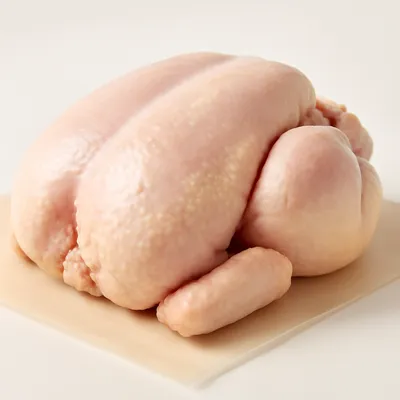
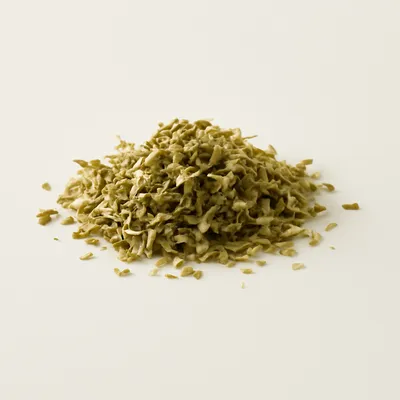
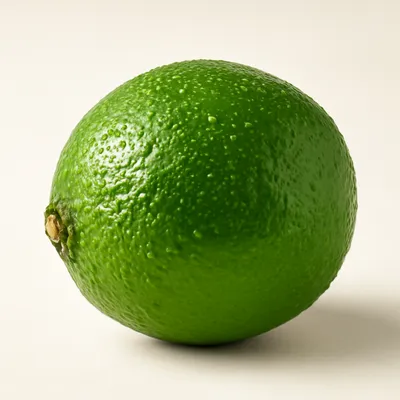
Cut 1 kg bone-in chicken into pieces. Marinate 30 min with 4 garlic minced, 1 tsp oregano, 1 tsp salt, juice of 1 lime.
- 29 min
Heat 3 tbsp oil in a heavy pot. Brown chicken 4 min per side. Remove.
Watch outGet a real brown on the chicken, four minutes a side without nudging it — that fond is where the broth's depth comes from.
- 39 min
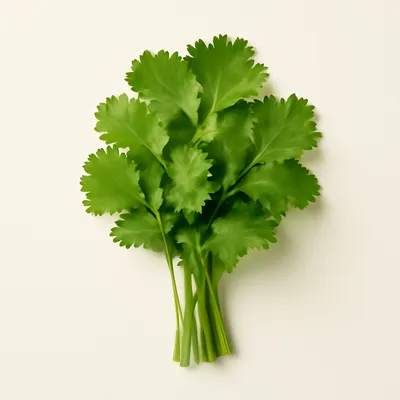
Sauté ⅔ cup sofrito (heavy on culantro/recao if available) 5 min. Add 2 tbsp tomato paste, 1 tsp adobo seasoning (or paprika + oregano + garlic powder), cook 2 min.
- 44 min
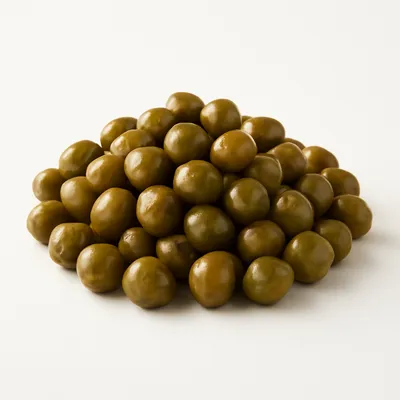
Return chicken. Add 5 cups stock, 1 bay leaf, ½ cup pitted olives, 2 tbsp capers. Bring to simmer.
- 523 min
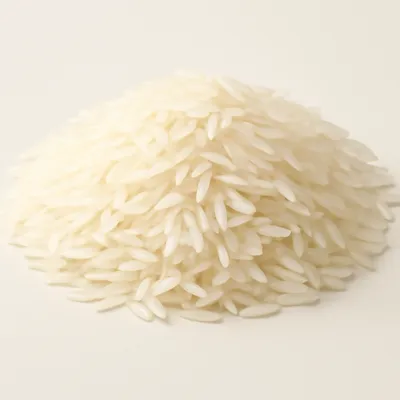
Add 1.5 cups rinsed long-grain rice. Simmer uncovered, stirring occasionally, 22 min.
Watch outSimmer the rice uncovered and stir now and then — covered it steams dry; the released starch is what loosens into that soupy body.
- 65 min
Add ½ cup peas. Cook 4 more min. Liquid should be soupy, not thick.
Watch outStop while it's still loose and spoonable, not thick — asopao is meant to stay soupy and will keep drinking up liquid off the heat.
- 73 min
Serve in deep bowls with avocado wedge and fried tostones on the side.


