
Puerto Rico's Christmas roast — pork shoulder marinated overnight in garlic-oregano adobo, roasted slow-and-low until the skin shatters into cuerito (crackling) and the meat collapses into shreds.
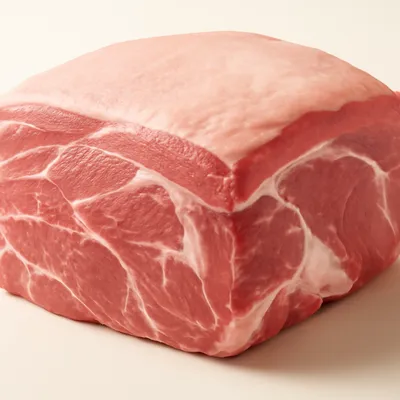


Pernil — from the Spanish pierna, "leg" — is the Puerto Rican Christmas centerpiece, and every family's grandfather has his own marinade and his own cracklin technique. Its roots lie in the Spanish-Catholic Christmas tradition of fire-roasting a whole pig (lechón), but Puerto Rican home cooks, lacking room for a whole hog in the oven, adapted it to a single cut — usually the pork shoulder, cheaper and fattier than the whole leg. What is uniquely Puerto Rican is the layered adobo seasoning — a meeting of Indigenous Taíno, Spanish and African influences, the criollo style — and the near-obsessive pursuit of crackling skin. Pernil is served alongside arroz con gandules (rice with pigeon peas) and pasteles for the Nochebuena (Christmas Eve) meal.
Tear into the pernil with a fork — the meat collapses into garlicky strands; the oregano-cumin marinade has soaked deep into every fiber. Then crack a piece of cuerito skin: it shatters in the mouth, salty-pork-fat-toasted, more like a chip than a piece of meat. The contrast is the whole show.
The overnight refrigeration is critical for cuerito formation — the dry-air refrigerator pulls moisture out of the skin so it can puff explosively at 230°C. If you skip this and put a wet-skin shoulder in the hot oven, the skin steams and stays leathery instead of crisping. The slow 175°C phase converts collagen to gelatin without drying the meat; the final 230°C blast crackles the now-dry skin.
Variations
Family recipes vary the herb mix: some use thyme, some add Spanish paprika, some use achiote oil for color. Cracklin technique splits: some use the broiler at the end, some use a higher initial temp. The dry-air overnight rest is universal.
On the Palate
Where Pernil sits in the Puerto Rican flavor cloud
Everything hinges on drying the skin: refrigerate the rubbed shoulder uncovered overnight so the surface goes tacky-dry, because only bone-dry skin puffs into crackling cuerito at 230°C — wet skin just steams into leather.
Ingredients
Serves 10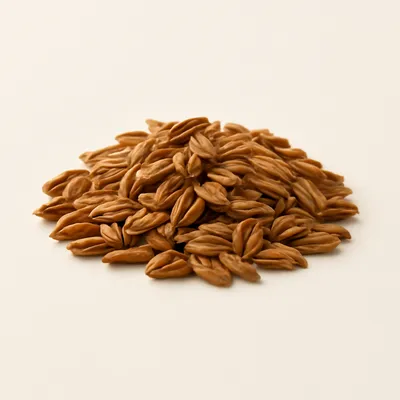


How it's made
5 steps · 40 min active + 11 hours 20 min waiting
- 110 min
Score the skin of a 3kg bone-in pork shoulder (skin on, fat cap intact) in 2cm diamonds, cutting through skin and fat but not into meat. Make 8 deep incisions into the meat from the underside.
- 210 min
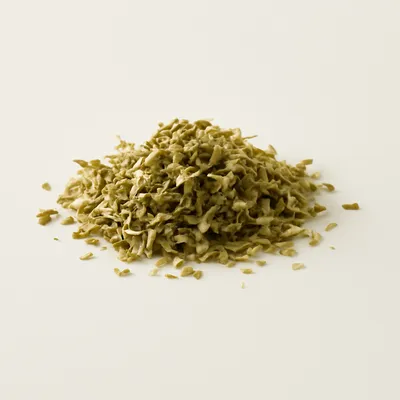
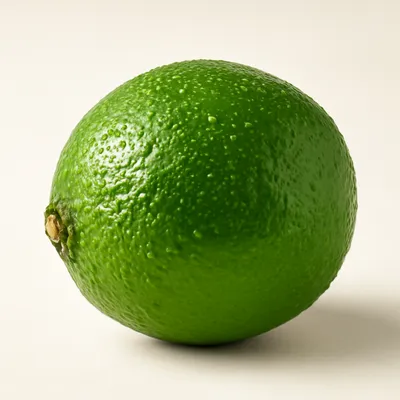
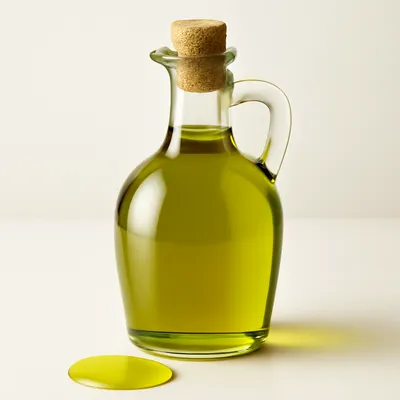
Make adobo paste: mash 10 cloves garlic, 1 tbsp salt, 1 tbsp oregano, 1 tsp pepper, 1 tsp cumin in a mortar to a paste. Stir in 4 tbsp olive oil, juice of 4 limes, 2 tbsp white vinegar.
- 3480 min
Rub adobo all over the pork; force paste deep into the underside incisions and into the skin scoring. Place skin-up on a rack in a roasting pan. Refrigerate uncovered overnight (or at least 8 hours) to dry the skin.
Watch outBy morning the skin should feel dry and leathery to the touch, not slick or moist — that dryness is your signal it's ready to roast.
- 4305 min
Heat oven to 175°C. Roast pork skin-up for 5 hours, basting every 90 min with pan drippings. The meat should reach 90°C internal at the bone, completely tender.
- 535 min
Crank oven to 230°C. Roast 25-40 min more until skin puffs and crackles into golden cuerito. Watch carefully; if skin isn't crackling, broil under high broiler 3-5 min. Rest 30 min covered with foil. Pull meat apart with two forks; serve with the crackling cuerito broken into pieces alongside.
Watch outWatch the skin bubble and blister up into golden crackling; the instant it stops crisping in spots, hit those under the broiler.
Archive tool suggestions — not reviewed
These legacy suggestions have not been evidence-reviewed and are not presented as required tools.



