
Ecuador's signature whole-roast pig — a young pig (chancho) marinated overnight with chicha (corn beer), beer, garlic, cumin, achiote, and herbs, then slow-roasted for 6-8 hours over coals or in a wood-fired oven until the skin is shatteringly crisp and mahogany-brown. Sliced and served with mote (boiled hominy corn), llapingachos, agrio (pickled onion salsa), and avocado. The festival dish, the wedding feast, the Sunday market staple of Riobamba, Sangolquí, and the Andean highlands.
Hornado dates to pre-Hispanic Andean cuisine; Indigenous Kichwa people had been roasting whole animals (llama, alpaca, guinea pig) for thousands of years. The Spanish brought pigs in the 16th century; the chancho became the universal Andean roast. The technique involves an overnight marinade with chicha (the fermented Andean corn beer), garlic, cumin, and achiote, then 6-8 hours of slow roasting over coals or in a traditional clay oven (horno de tierra) buried in the ground. The result is meltingly tender meat with skin so crisp it cracks like glass. The Riobamba region (Chimborazo province) is the hornado capital; the Sunday market at Sangolquí (Quito's southern suburb) is famous for its hornado vendors who roast 50+ pigs each weekend. The dish is the centerpiece of every Ecuadorian festival, wedding, and major celebration — fiestas patronales (saint's day festivals) revolve around hornado plates served to thousands. Modern restaurants in Quito and Cuenca serve hornado al horno (oven-roasted) year-round.
Tear into a piece of hornado — the skin crackles in your hand like glass, the meat underneath is so tender it falls apart. Bite: the crispy mahogany skin shatters and the salty crackling explodes in your mouth (this is the prized part); the meat is meltingly soft, deeply seasoned from the chicha marinade with cumin, garlic, and citrus notes. The mote provides starchy contrast — boiled white corn with a slightly sweet, nutty taste. The llapingacho's cheese-stuffed potato adds creaminess. The agrio's bright acidity cuts the rich meat. Avocado adds cooling fat. A glass of chicha completes the ritual. This is the Andean festival meal — the Riobamba market, Sunday family gathering, wedding feast.
The overnight marinade penetrates the meat through the scored skin and injection sites; the chicha's enzymes tenderize the meat. Slow-roasting at 175°C melts the connective tissue and renders the fat; finishing at 220°C crisps the skin. The high salt content in the marinade draws out moisture initially, then is reabsorbed, seasoning the interior. Scoring the skin allows fat to render and creates the characteristic crackling. The long resting time (30 min) allows juices to redistribute.
Variations
Hornado al horno (oven-roasted) for home cooks. Hornado en huatia (in earth oven) is the most-traditional Indigenous version. Mini hornados (whole baby pigs, 2-3 kg) for smaller gatherings. Riobamba hornado is the most-traditional regional version. Modern Quito restaurant versions serve hornado with truffle salsa and house-made llapingachos. Sangolquí Sunday Market hornado is the universal weekend tradition.
On the Palate
Where Hornado sits in the Ecuadorian flavor cloud
Score the skin and roast low then blast it high — the long 175°C phase melts the fat and collagen, and only the final 220°C push turns that scored skin into glass-crisp crackling.
Ingredients
Serves 12


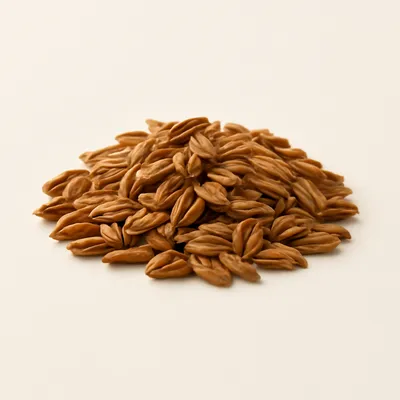

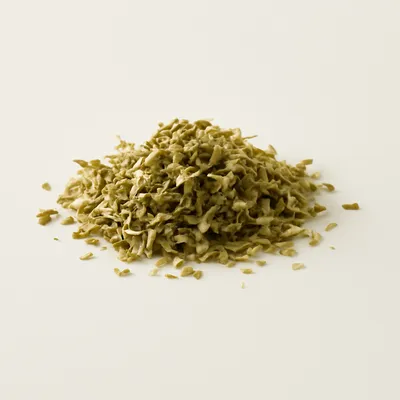
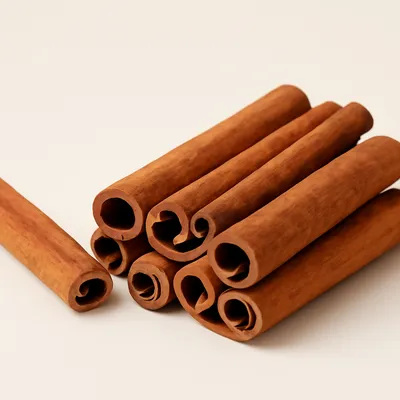
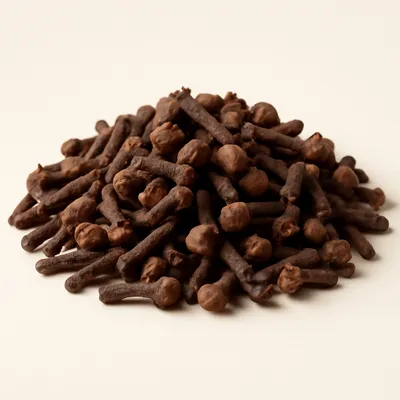







How it's made
13 steps · 1 hour 30 min active + 10 hours 30 min waiting
- 16 min
Source a whole young pig (5-7 kg dressed, head-on if possible) or a large pork shoulder + skin (4 kg) for home-version.
- 28 min
Make marinade: blend 4 cups chicha (or beer + 2 tbsp corn flour + 1 tsp sugar) + 1 cup beer + 1/2 cup orange juice + 1/4 cup lime juice + 1/2 cup oil + 12 minced garlic cloves + 3 tbsp ground cumin + 3 tbsp ground annatto + 2 tbsp dried oregano + 2 tbsp salt + 1 tbsp black pepper + 1 tsp ground cinnamon + 1 tsp ground cloves. Blend smooth.
- 312 min
Score the pig's skin in a diamond pattern (1 cm deep). Inject the marinade into the meat (use a meat-injector syringe) every 5 cm. Rub the marinade all over the surface.
Watch outInject the marinade deep every 5 cm and rub it into the scored skin — you're seasoning the inside, not just the surface.
- 4750 min
Place pig in a large pan, cover, refrigerate 12-24 hours (longer is better; the Riobamba tradition is 48 hours).
- 530 min
Heat a wood-fire oven, charcoal pit, or your oven to 175°C.
- 64 min
Place the pig on a rack over a drip pan; arrange on a baking sheet for oven roasting.
- 7180 min
Roast 3 hours at 175°C, basting with the marinade every 30 min.
- 875 min
Increase heat to 220°C; roast another 1-1.5 hours, basting frequently, until the skin is deeply mahogany-crisp and the internal temperature reaches 80°C.
Watch outPush to 220°C and baste often until the skin is deep mahogany and glass-crisp and the inside hits 80°C.
- 932 min
Rest 30 min before carving.
Watch outRest before carving — cut too soon and all that juice you worked for spills straight out.
- 1016 min
Make agrio (pickled onion salsa): thinly slice 2 red onions, soak in lime water 10 min, drain. Add 1/2 cup lime juice + 1 chopped tomato + 1/2 cup chopped cilantro + 1 minced aji + 1/2 tsp salt + 1 tsp sugar. Stir to combine.
- 11180 min
Make mote (boiled hominy corn): if not pre-made, soak 500 g dried hominy corn overnight, then boil 3 hours until tender. Salt.
- 128 min
Carve the pig: cut crispy skin into strips; pull meat from bones. Slice some meat.
- 135 min
Plate generously: 2-3 slices meat + 1 piece crispy skin + 1/2 cup mote + 1 llapingacho + agrio salsa + avocado slices. Drink with chicha or Ecuadorian beer.


