
Ecuador's signature highland soup — Andean potatoes, queso fresco, milk, and achiote-colored broth, slow-cooked into a creamy, golden-yellow chowder, topped with avocado slices, fresh cilantro, and aji sauce. The everyday Quito lunch, the highland comfort food, the dish that warms cold Andean afternoons.






Locro de papa is the universal Ecuadorian highland soup, found across the Sierra (Andean highlands) from Quito to Cuenca to Loja. The word 'locro' is Quechua for 'stew' and is used across the Andes (Peruvian, Bolivian, Argentine versions exist). The Ecuadorian version is distinguished by being potato-centric (no meat traditionally), the addition of queso fresco for richness, achiote for color, and avocado on top. The dish dates to pre-Hispanic Andean cuisine; the potato is the central ingredient (Ecuador has hundreds of native potato varieties from the Andean highlands). The Spanish colonial influence added milk and cheese; the modern Ecuadorian version blends Indigenous and Spanish traditions. The dish is the most-common Ecuadorian highland lunch — every restaurant offers it. Modern Quito chefs experiment with native potato varieties (mama negra, chola, chaucha) for varied colors and textures.
Spoon up a bowl of locro de papa — creamy golden-yellow broth thick with potato chunks, cheese melting into the soup creating creamy ribbons, bright-green cilantro and pale-green avocado slices on top. Take a spoonful: the soup is hearty, rich, and gently spiced; the potato chunks are tender and flavorful; the queso fresco is salty and stringy; the avocado adds cooling creaminess; the cilantro adds bright herbal notes; the achiote provides golden color. With a slice of crusty bread to mop the bowl and a sip of fresh juice, this is the perfect Andean comfort soup — simple ingredients elevated by tradition.
Using two potato preparations (chunked + grated) creates the dual texture: the grated potato dissolves into the broth thickening it naturally; the chunks remain whole providing bite. Achiote oil (vs powder) gives the soup its signature golden color without harsh flavor. Adding milk and cheese at the end, with gentle heat, prevents curdling. Blending a portion of the soup creates the silky-creamy base; leaving some chunks provides textural interest.
Variations
Locro de papa con carne (with beef chunks) is the heartier version. Locro de zambo (with squash). Locro de pollo (with chicken). Vegetarian version omits all meat. Modern Quito restaurant versions use native potato varieties for color (purple, yellow, red) and add truffle oil. Mini locros in cups for cocktail parties. The Cuenca version adds toasted corn (cancha) on top for crunch.
On the Palate
Where Locro de Papa sits in the Ecuadorian flavor cloud
Ingredients
Serves 6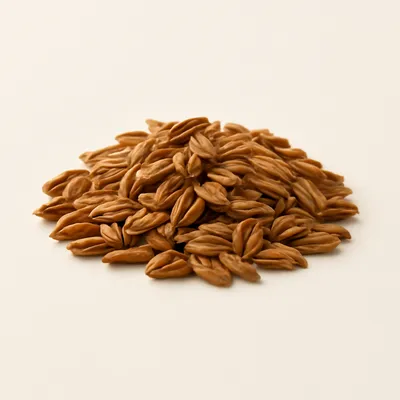






How it's made
12 steps · 30 min active + 30 min waiting
- 110 min
Peel 1.5 kg waxy potatoes. Cut about 1 kg into 3-cm chunks; finely grate or dice the remaining 500 g.
- 24 min
In a large pot, heat 3 tbsp oil + 1 tsp annatto seeds; cook 3 min to extract color, then strain — the achiote oil is ready.
Watch outFry the annatto seeds just until the oil blooms a deep orange-gold, then strain them out fast — leave them in and the oil turns bitter and gritty.
- 39 min
Add 2 chopped onions + 4 minced garlic cloves; cook 8 min until soft.
- 42 min
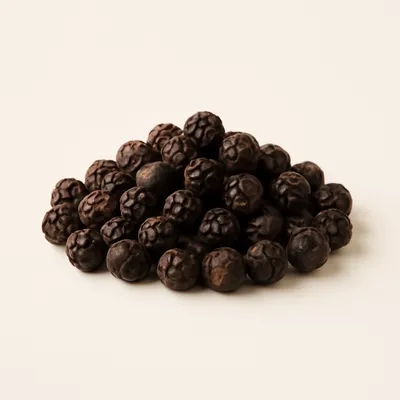
Add 1 tsp ground cumin + 1 tsp ground coriander + 1 tsp salt + 1/2 tsp black pepper; cook 1 min.
- 56 min
Add the 500 g grated/diced potatoes (these will dissolve and thicken the soup). Cook 5 min, stirring.
Watch outLet the grated potatoes cook and start breaking down — this is what melts into the broth and thickens the soup with no flour needed.
- 64 min
Add 1.5 L water (or vegetable stock). Bring to a boil.
- 723 min
Add the 1 kg chunked potatoes. Simmer 20-25 min until fork-tender.
- 84 min
Take 1 cup of the soup; blend smooth in a blender (or mash with potato masher). Return to the pot. This thickens the soup.
- 94 min
Add 500 ml whole milk + 1 cup grated queso fresco. Stir gently — don't boil after adding milk or it may curdle.
Watch outOnce the milk and cheese go in, keep it at a bare shiver of heat — let it boil and the cheese curdles into grainy strings.
- 106 min
Heat gently 5 min until the cheese melts. Taste; adjust salt.
- 111 min
Stir in 1/2 cup chopped fresh cilantro.
- 124 min
Serve in deep bowls: ladle the soup. Top with 2 avocado slices, extra cilantro, 1 tbsp grated queso fresco, and a drizzle of aji sauce (chili-cilantro-onion-lime). Optional: a fried egg on top. Eat with bread.


