
Ecuador's coastal breakfast staple — large balls of fried green plantain mashed with pork chicharrón (or sometimes cheese), formed into baseball-sized spheres, and pan-fried until the outside is crispy-golden. Served with fried eggs, café de altura (highland coffee), and avocado slices. The Guayaquil and Manabí coastal mornings, the energy-dense workmen's breakfast.
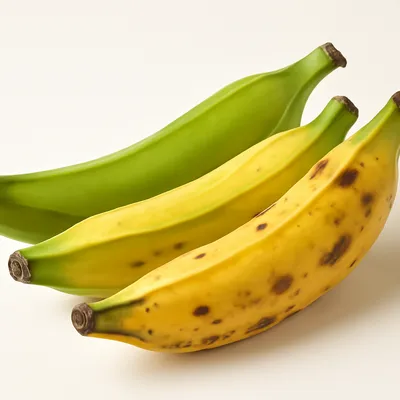

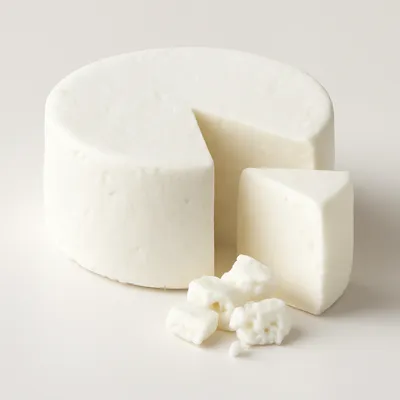



Bolón de verde is the iconic breakfast of Ecuador's Pacific coast, particularly Manabí province (Portoviejo, Manta) and Guayas (Guayaquil). The dish dates to the 19th-century plantain-farming traditions of Afro-Ecuadorian and coastal Indigenous (Manteños) communities. Green plantain (verde, the unripe stage) is the dietary staple; transforming it into a sphere with cheese or chicharrón filling makes it portable and protein-packed — perfect for workers and fishermen. The dish became commercialized in Guayaquil cafeterias in the mid-20th century; modern coastal cities have dozens of bolón specialists. Each region has its variation: Manabí prefers chicharrón (crispy pork bits), Guayaquil prefers queso fresco, Esmeraldas adds coconut. The dish has spread to highland cities (Quito, Cuenca), where it's served as an authentic coastal experience. The bolón is typically eaten for breakfast with fried eggs and coffee; it's also a popular lunch item or workman's snack. The high-calorie content (mostly plantain starch and pork fat) sustains long hours of physical work.
Cut into a hot bolón de verde — the outside is golden-brown with crispy edges, the inside is bright-yellow plantain studded with chunks of crispy pork chicharrón and pockets of melted queso fresco. Bite: the plantain is starchy and slightly sweet (the green stage is starchy, the ripeness varies); the chicharrón provides salty-pork richness and crunchy texture; the queso fresco adds creamy salt; the achiote and cumin add gentle warmth. Compare to the fried egg yolk dripping over: rich, runny, perfect for plantain-sopping. With sliced avocado for creaminess and strong coffee for warmth, this is the Ecuadorian coastal sunrise — sustaining, satisfying, soul-nourishing.
Frying the green plantain until very tender (rather than boiling it) is the traditional coastal method — green plantain is starchy and tough, and it must cook through before it can be mashed. Mashing while still hot is key: the warm starch is sticky enough to bind the pork and cheese into a cohesive ball. Leave some coarse chunks rather than mashing to a smooth paste, for texture. Form the ball firmly but don't over-pack it (overpacking results in dense, heavy bolones). Frying the formed ball a second time creates the signature crispy crust. Highland cooks sometimes boil the plantain instead, and Manabí has a grilled (roasted-plantain) version.
Variations
Bolón de queso (cheese-only, vegetarian). Bolón de chicharrón (pork-only). Bolón mixto (with both cheese and chicharrón — the classic). Bolón de camarón (with shrimp — coastal Esmeraldas version). Mini bolones for cocktail parties. Modern Quito chefs serve bolón with foie gras and truffle. The Portoviejo Festival of Plantain Cuisine celebrates bolón variations in November.
On the Palate
Where Bolón de Verde sits in the Ecuadorian flavor cloud
Ingredients
Serves 4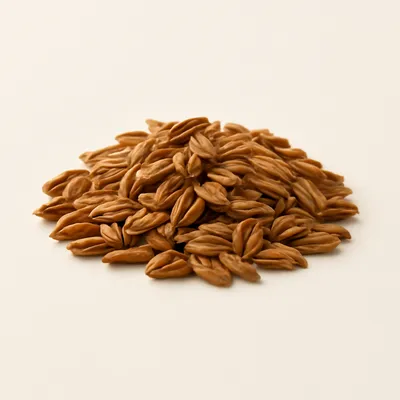




How it's made
14 steps · 30 min active + 15 min waiting
- 14 min
Peel 4 large green plantains. Cut into 5-cm chunks.
- 217 min
Boil the plantain chunks in salted water 15-18 min until very tender (a knife should slide through easily). Drain.
Watch outBoil until a knife slides through with no resistance — undercooked plantain won't mash and the ball won't hold.
- 322 min
Meanwhile, make chicharrón: cube 200 g pork belly (with skin) into 2-cm pieces. Place in a heavy pan with 1/2 cup water + 1 tsp salt. Cook over medium heat, stirring, until the water evaporates and the pork starts frying in its own fat. Continue cooking 15 min until the pork is golden-crispy and the fat is rendered. Set aside the chicharrón and the rendered fat.
Watch outWatch for the water to cook off and the pork to start sizzling in its own fat — that's when it turns golden and crisp; before that it's just boiling.
- 48 min
Heat 2 tbsp of the rendered pork fat (or use oil) in a pan. Add 1 chopped onion + 4 minced garlic cloves; cook 6 min until soft.
- 52 min
Add 1 tsp ground annatto (achiote) + 1 tsp ground cumin + 1 tsp salt + 1/2 tsp black pepper; cook 1 min for the achiote oil.
- 64 min
Mash the boiled plantain chunks while still warm — use a potato masher, but don't make it too smooth (some texture is good).
Watch outMash while it's still hot — warm starch is sticky and binds the ball; leave a few coarse chunks for bite, don't work it to paste.
- 72 min
Add the onion-garlic-achiote mixture to the mashed plantain. Mix well.
- 83 min
Add the chicharrón pieces (chopped into smaller bits) and 1/2 cup grated queso fresco. Mix.
- 91 min
Taste; adjust salt.
- 104 min
Divide into 4 portions. Form each into a baseball-sized sphere (about 250 g each). The plantain should hold together; if too dry, add 1 tbsp warm water.
- 112 min
Heat 3 tbsp oil in a heavy non-stick pan over medium heat.
- 128 min
Pan-fry the bolones: 4-5 min per side, gently turning to brown all sides until golden and slightly crispy on the surface.
Watch outTurn gently and brown all sides until a light crust forms — that crisp shell is the whole point of the second fry.
- 134 min
Meanwhile, fry 4 eggs sunny-side up.
- 142 min
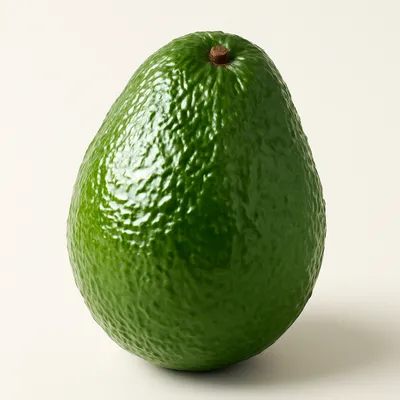
Serve immediately: 1 bolón + 1 fried egg + sliced avocado + a small cup of café de altura (Ecuadorian highland coffee) or coffee with milk. Optional: hot sauce, sliced tomato, or extra queso fresco crumbled on top.


