
Ecuador's signature seafood dish — cooked shrimp (Ecuador is the world's largest farmed-shrimp exporter) served in a cold, soupy broth of fresh lime juice, sour orange (naranja agria) juice, tomato, red onion, cilantro, and aji pepper. Unlike Peruvian raw-fish ceviche, the Ecuadorian version uses cooked shrimp and a tomato-citrus base — making it more like a cold soup than a marinade. The shrimp are boiled and their heads blended into the broth for extra depth. Served with patacones (twice-fried green plantain) or chifles (plantain chips), canguil (popcorn), and toasted corn — uniquely Ecuadorian textural sides.
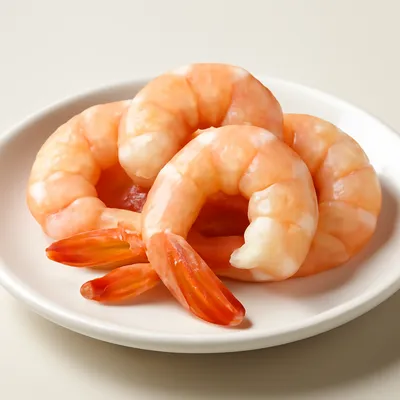
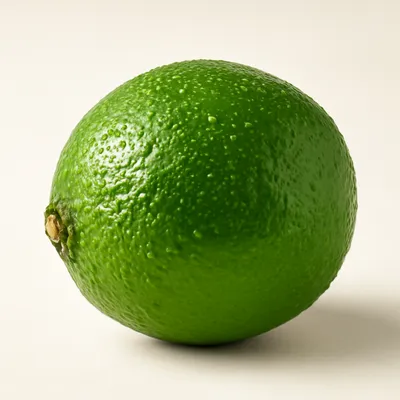
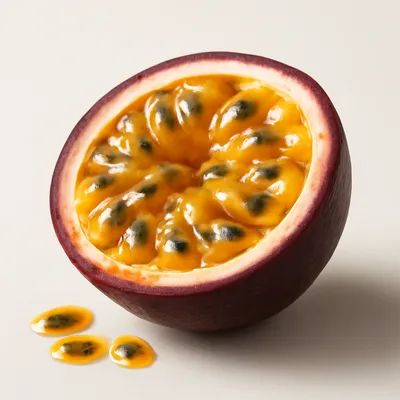
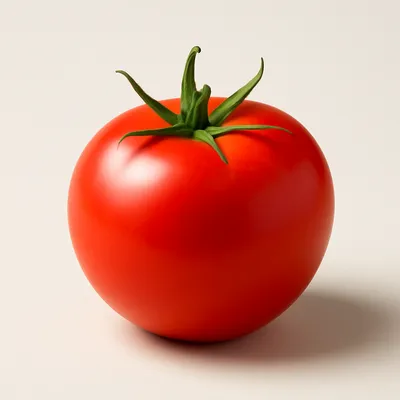


Ceviche has roots across the Pacific coast of South America (Ecuador, Peru, Chile, Colombia), with the technique of acid-marinating seafood predating Spanish colonization. Each country claims its variation; Ecuador's distinctive version is built on shrimp (the country has the world's largest shrimp aquaculture industry), a tomato-and-citrus broth (the tomato a post-Columbian addition), and the patacones-and-popcorn side (uniquely Ecuadorian — Peruvian ceviche has none). The coastal city of Manta is considered the ceviche capital; Esmeraldas and Salinas have their own versions (Esmeraldas is the Afro-Ecuadorian style, made with coconut milk). On the coast the dish is the unmissable beach meal, the official weekend hangover cure, and a star appetizer at family celebrations; the cold, acidic broth is believed to settle the stomach. Modern Quito and Cuenca highland restaurants now serve coastal ceviche year-round; it is the most-globalized Ecuadorian preparation.
Spoon up a bowl of ceviche — pink shrimp, ruby tomato chunks, paper-thin red onion rings, brilliant-green cilantro, all swimming in a cold, electric-tasting orange-tinged broth. Taste the broth first: the lime hits sharp and bright, then a touch of sour-orange-and-tomato sweetness, then a savory undertone. Then the shrimp (briny, sweet, springy), the sharp-fresh onion, the herbal cilantro. The popcorn adds salty crunch; the patacones add starchy substance to soak up the broth. With a chilled beer and a coastal sunset, this is the Ecuadorian coast in a bowl — cool, refreshing, and layered with acidity.
Boiling the shrimp (rather than raw-marinating as in Peruvian ceviche) gives a cleaner, more uniform texture and removes any food-safety worry; blending the shrimp heads into the cooking broth makes the base richer and more savory than other ceviches. Lime's sharp acidity, the slight bitterness and sweetness of sour orange, and the natural sweetness of tomato together build a layered, distinctively Ecuadorian acidity that's bright without being harsh. Soaking the onions in salted lime-water strips out the harsh sulfur compounds while keeping their bite and color. The short chilled marinade (15–20 min) lets the flavors mingle without overcooking the shrimp.
Variations
Ceviche de pescado (with raw fish instead of cooked shrimp, closer to Peruvian). Ceviche mixto (mixed seafood — shrimp, fish, octopus, calamari). The Esmeraldas Afro-Ecuadorian style is made with coconut milk for a rich, creamy broth. Vegetarian ceviche uses heart of palm (palmito) instead of seafood. Upscale city restaurants garnish with avocado and crispy plantain chips. The Manta ceviche festival in February showcases all variations. Mini cocktail-size ceviches for parties.
On the Palate
Where Ceviche Ecuatoriano sits in the Ecuadorian flavor cloud
Cook the shrimp just to opaque then chill fast — 2–3 minutes in gentle stock and an ice bath keeps them plump; overcook and they turn rubbery no marinade can save.
Ingredients
Serves 4





How it's made
14 steps · 30 min active + 15 min waiting
- 16 min
Source 800 g large shrimp (size 16-20 per kg, head-on if possible). Peel and devein; reserve the shells for stock.
- 228 min
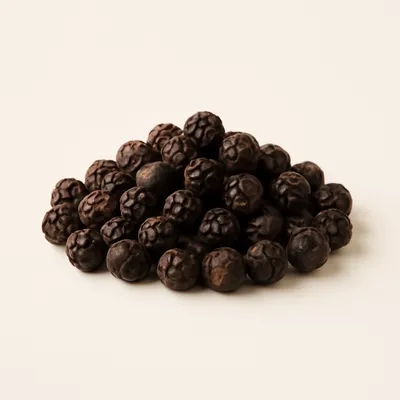
Make shrimp stock: in a pot, sauté the shrimp shells with 1 tbsp oil for 3 min until they turn red. Add 1 L water, 1 onion (quartered), 1 carrot, 1 bay leaf, 1 tsp salt, 1 tsp peppercorns. Simmer 25 min. Strain; reserve 500 ml clear stock.
- 35 min
Cook the shrimp: bring the stock back to a gentle simmer (not boiling). Add the shrimp; cook 2-3 min until just pink and opaque. Remove immediately with a slotted spoon; cool quickly in ice water.
Watch outPull the shrimp the instant they turn pink and opaque; they'll firm up more in the ice bath.
- 46 min
Drain the shrimp; pat dry. Cut large shrimp in half lengthwise (keep small ones whole). Refrigerate while preparing the marinade.
- 56 min
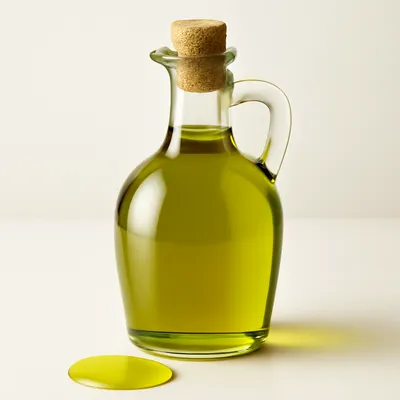
Make the ceviche marinade: in a large bowl, combine the juice of 8 limes (about 200 ml) + juice of 2 blood oranges (about 100 ml) + 200 ml passion fruit juice (or substitute lime + a touch of orange juice) + 100 ml ketchup (the Ecuadorian secret — yes, ketchup) + 50 ml mustard (yellow, mild) + 2 tbsp sugar + 1 tsp salt + 1 tsp black pepper + 1 tbsp olive oil.
- 61 min
Whisk to combine. Taste; adjust salt and lime.
- 71 min
Add the cooled shrimp to the marinade. Stir gently.
- 84 min
Add 2 large red onions thinly sliced (lime-soaked first — soak in cold salted lime water for 10 min to remove sharpness, then drain).
Watch outTaste an onion slice after soaking — it should be crisp and mild, not sharp; soak longer if it still bites.
- 94 min
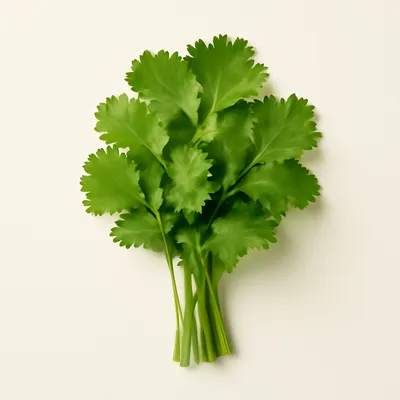
Add 1 large tomato (diced) + 1/2 cup chopped fresh cilantro + 1/2 cup chopped fresh parsley + 1 jalapeño or aji amarillo pepper (seeded and finely chopped, optional for heat).
- 1018 min
Stir gently to combine. Refrigerate 15-20 min for the flavors to meld.
Watch outChill the finished ceviche 15–20 minutes so the flavors meld and the whole bowl turns bright and cold.
- 1112 min
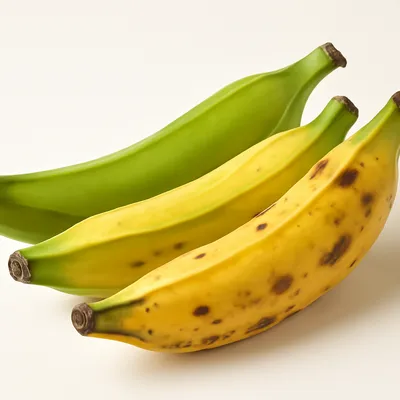
Make patacones (twice-fried green plantain): slice 2 green plantains into 3-cm rounds. Fry in hot oil 4 min per side. Remove; press flat with a tortilla press or bottom of a cup. Fry again 1-2 min per side until crispy. Drain on paper towels; salt.
- 128 min
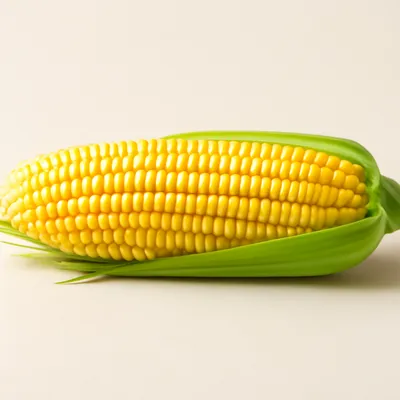
Make cancha (toasted Andean corn): heat 2 tbsp oil in a pan. Add 1 cup cancha (Andean dried corn kernels, or substitute popcorn). Cover with a lid; shake the pan as the corn pops. Continue cooking 5-7 min until golden-toasted. Salt.
- 132 min
Serve: ladle the ceviche into shallow bowls. Top with extra cilantro, lime wedges, and a slice of red onion. Serve patacones and cancha on the side. The ceviche should be cold and very bright in flavor.
- 141 min
Drink with chilled Pilsener beer, jugo de maracuyá (passion fruit juice), or chicha (fermented corn drink).


