
Ecuador's signature slow-braised goat — chunks of goat (chivo) marinated in chicha (corn beer), beer, and panela, then slow-cooked with onions, tomatoes, peppers, and herbs into a richly-sauced stew. Served over fluffy white rice with sliced avocado, fried plantain, and a wedge of lime. The Sunday family meal of the Manabí coast and southern highlands.
Seco de chivo (literally 'dry goat,' though the dish is anything but dry) is the Ecuadorian goat stew, rooted in regions with a strong goat-herding tradition — the southwestern coast (Santa Elena, Guayas) and Loja province in the southern highlands. It was already documented in the 19th century by the German traveler Ernst Middendorf; a more specific origin story holds that around 1910 a family from Piura (Peru) opened an eatery in Guayaquil whose star dish, 'seco de cabrito' (kid goat), was later renamed 'seco de chivo.' The fermented-drink marinade is the Andean-coastal twist: traditionally chicha (an Inca-era fermented corn beverage), and now more commonly the juice of naranjilla (lulo, a tart green Solanum), whose alcohol and fruit acidity both tame the gamy meat and add sweetness and depth. 'Seco' (dry) does not describe the finished dish; folk etymologies trace it either to a contrast with 'sopa' (soup) or to a corruption of the English word 'second,' attributed to the English oil workers at Ancón. The long braise reduces the liquid, and the meat is served with its sauce over rice. The same method with chicken, beef, or stewing hen is common in the cities. The Loja version uses a cilantro paste as its base, the coastal (Manabí) version a tomato-and-pepper sofrito; both regions claim authenticity. It is a special-occasion and Sunday dish, especially on the coast.
Spoon up a piece of seco de chivo — the goat is dark and fall-apart tender, swimming in a deep-mahogany sauce of tomato, onion, beer, and spices. Bite: the goat's gamy depth is balanced by the long braise (no toughness, no dryness); the sauce is rich-savory with hints of beer-malt sweetness, tomato acidity, and warming spices; the cilantro adds fresh herbal lift; the lime brightens. The rice underneath absorbs the sauce; the sweet caramelized plantain provides contrast; the avocado adds cooling fat. With a bottle of Pilsener beer (or chicha) and a Sunday family table, this is the Ecuadorian highland-coastal soul food.
The chicha/beer marinade (4+ hours) tenderizes the goat through alcohol and enzymes — goat meat is naturally tough and gamy without this step. Browning the meat in batches creates the Maillard compounds that give the sauce depth. The 2-2.5 hour braise breaks down the goat's connective tissue (collagen → gelatin). The panela (or brown sugar) balances the goat's gaminess with sweetness. The achiote and cumin provide the signature flavor profile. Cooking the rice with annatto oil makes it the perfect color complement to the sauce.
Variations
Seco de pollo (chicken) is the most-common urban version. Seco de res (beef) for highland regions. Seco de gallina (older hen, more flavor). Seco de borrego (lamb). Modern Quito restaurant versions with truffle-infused rice and house-made plantain chips. Loja regional version uses cilantro paste as the base. Mini secos for tapas. The Manabí Sunday family lunch tradition.
On the Palate
Where Seco de Chivo sits in the Ecuadorian flavor cloud
Ingredients
Serves 6










How it's made
15 steps · 45 min active + 2 hours 15 min waiting
- 16 min
Cube 1.5 kg goat shoulder or leg into 5-cm pieces. Rinse; pat dry.
- 26 min
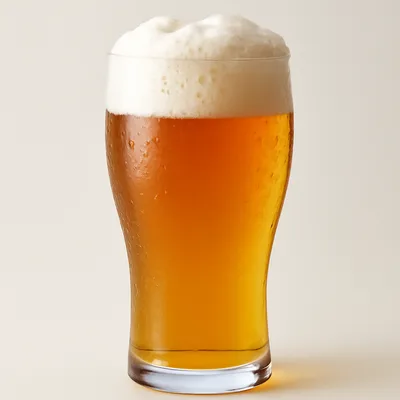
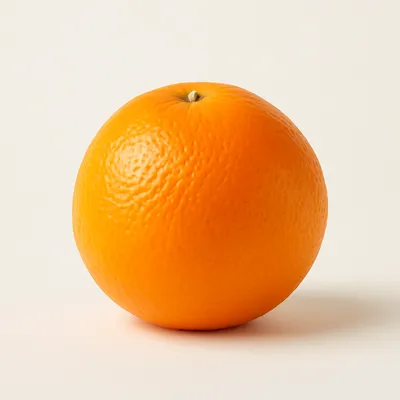
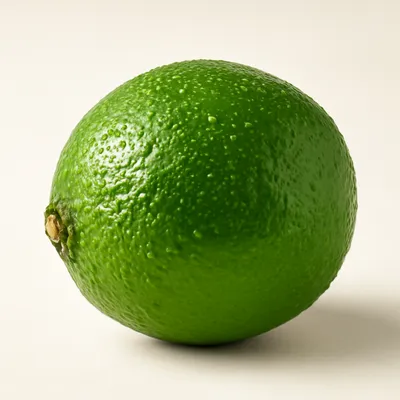
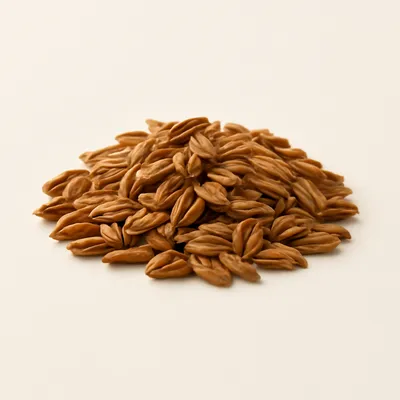
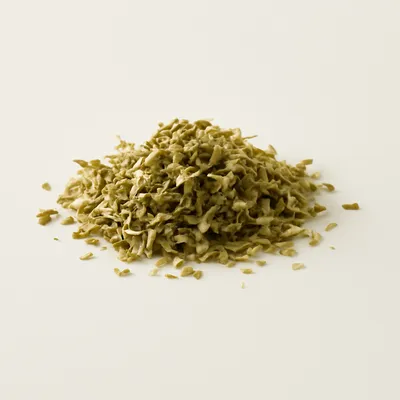
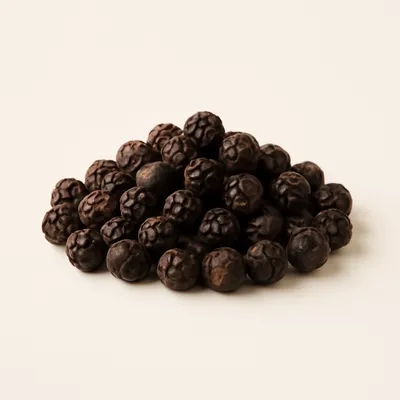
Make marinade: blend 1 cup beer + 1 cup chicha (or extra beer + 2 tbsp panela + 1 tsp sugar) + 1/4 cup orange juice + 1/4 cup lime juice + 6 minced garlic cloves + 1 tbsp ground cumin + 1 tbsp ground annatto + 1 tbsp dried oregano + 2 bay leaves + 1 tsp salt + 1 tsp black pepper.
- 3150 min
Pour the marinade over the goat chunks. Mix well; refrigerate 2-4 hours (overnight is even better).
- 44 min
In a large heavy pot, heat 3 tbsp vegetable oil over medium-high heat.
- 516 min
Remove the goat from the marinade (reserve the marinade). Brown the goat chunks in batches: 5 min per side. Transfer to a plate.
Watch outBrown the goat in loose batches over real heat — crowd the pot and it steams grey instead of building that deep-crusted color the sauce lives on.
- 68 min
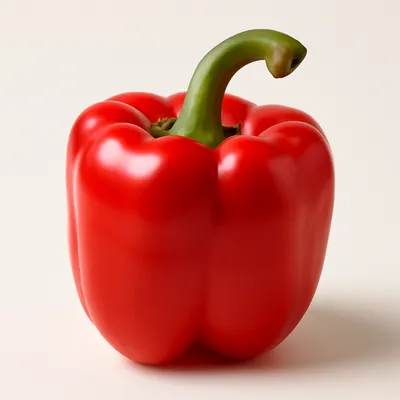
In the same pot, add 2 large chopped onions + 1 chopped red bell pepper + 1 chopped green bell pepper; cook 8 min until soft.
- 71 min
Add 6 minced garlic cloves; cook 1 min.
- 86 min
Add 4 large tomatoes (chopped) + 2 tbsp tomato paste + 2 tsp ground cumin + 1 tsp ground annatto + 2 tsp dried oregano + 1 tsp salt + 1 tsp black pepper. Cook 5 min.
- 94 min
Return the goat to the pot. Add the reserved marinade + 500 ml beef stock + 2 tbsp panela (or brown sugar).
- 10130 min
Bring to a boil; reduce to low heat. Cover; braise 2-2.5 hours, stirring occasionally, until the goat is fork-tender and the sauce is thick.
Watch outIt's done when a fork slides in and the meat gives with no pull, and the sauce has cooked down thick and clinging — rush this and goat stays chewy.
- 112 min
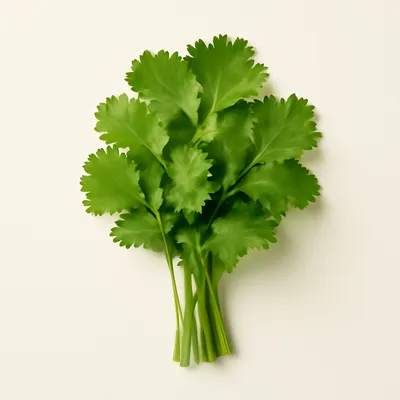
Add 1/4 cup chopped fresh cilantro + 1 tbsp chopped fresh parsley + 1 tbsp lime juice.
- 121 min
Taste; adjust salt and lime.
- 1322 min
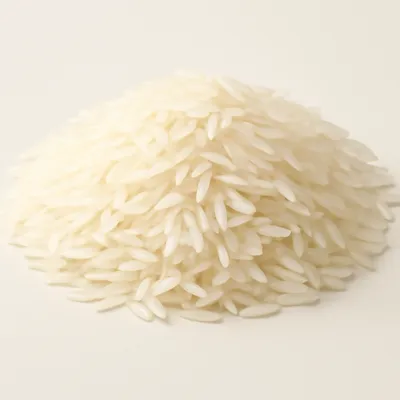
Cook 100 g long-grain white rice with 1 tbsp lard, 1/2 tsp ground annatto, and 1/2 tsp salt for accompaniment.
- 1412 min
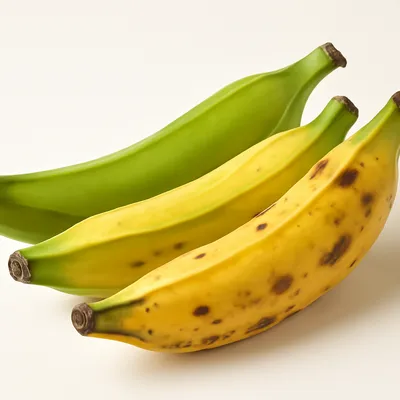
Fry 4 sliced ripe plantains in oil until golden-caramelized.
- 155 min
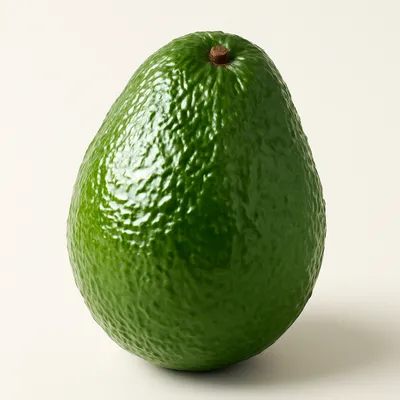
Serve in deep plates: 2-3 large pieces of goat + sauce over rice + 2 plantain slices + 1/2 avocado + lime wedge + extra cilantro. Drink with chicha or Pilsener beer.


