



A breakfast born in the old gold-mining town of Zaruma in El Oro province, southern Ecuador, where laborers and farmers mashed the region's abundant green plantains and scrambled them with egg and cheese for a meal hearty enough to carry them through long workdays; now eaten widely along the Pacific coast, it was declared part of Ecuador's national intangible cultural heritage in 2020. Its name means little tiger, for the mottled, fire-charred look of the plantains.
Warm and cushiony with a faint plantain sweetness, it pulls slightly from the melted cheese and tastes savory from scallion and egg. The mash is rustic and uneven, with little crisp browned edges from the frying breaking up the softness.
Frying the green plantains first gelatinizes their starch and develops golden flavor before mashing, so the mash stays cohesive rather than gluey. Stirring in egg and cheese over low heat emulsifies fat and protein to bind everything into a soft, creamy body.
Variations
coastal versions add chicharron or fried pork, some use ripe plantain for sweetness, may be topped with extra cheese or served with steak
On the Palate
Where Tigrillo sits in the Ecuadorian flavor cloud
Ingredients
Serves 4How it's made
7 steps · 15 min
- 15 min
Peel green plantains and cut into chunks.
- 28 min
Fry the plantain chunks in oil until golden and cooked through.
Watch outFry the green plantains until golden and cooked to the center — underdone chunks stay starchy and won't mash into a cohesive body.
- 33 min
Transfer the hot plantains to a bowl and mash them coarsely.
- 42 min
In the same pan, lightly saute chopped scallions.
- 52 min
Return the mashed plantain to the pan and stir in beaten eggs.
- 63 min
Scramble together gently until the egg is just set.
Watch outScramble over low heat and pull it while the egg is barely set and still glossy — pushed too far it turns dry and rubbery.
- 72 min
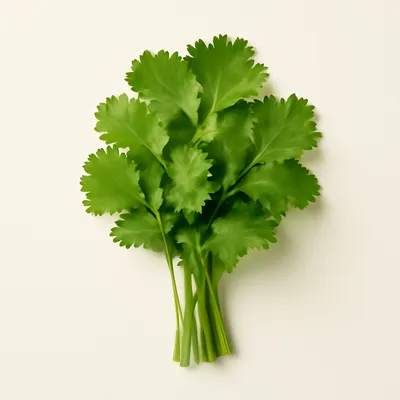
Fold in crumbled fresh cheese and chopped cilantro, then serve hot with ají and coffee.
Watch outFold the fresh cheese in off the heat so it softens without fully melting — that's what keeps the mash creamy rather than oily.


