Peruvian creamy yellow chicken stew — shredded chicken simmered in a thick sauce of ají amarillo, ground walnuts, bread-and-milk thickener, evaporated milk and parmesan, served over boiled potatoes and rice, garnished with hard-boiled egg and black olives.
Ají de Gallina ('hen with ají') traces to colonial-era Lima, when Spanish nuns and African slaves adapted the medieval Spanish 'manjar blanco' (a Moorish-derived dish of chicken, rice, almonds, milk and sugar) by removing the sugar and rice and adding Andean ají amarillo. The dish was originally made with hen (gallina, older bird) which required long cooking; modern versions use chicken (pollo) for tenderness. The original Spanish dish was thickened with ground almonds (almendra), which in Peru were replaced by the more locally available walnuts or pecans; the bread-and-milk panada is the Spanish-French liaison technique; the ají amarillo provides the distinctive Peruvian color and heat. The dish is a study in colonial fusion — Spanish + Andean + African + Italian (parmesan) — and is one of Peru's most-beloved comfort foods, served at home Sundays and at every Peruvian restaurant worldwide.
Ají de Gallina is creamy-comfort food at its richest: warm yellow sauce coats shredded chicken, thick with walnut and parmesan, sweet-and-spicy from ají amarillo. Spoon over a slice of potato + rice, take a bite that includes the egg and olive: chicken-melt + creamy sauce + warm potato + briny olive + rich egg yolk. The walnut crunch hides in the sauce. The dish is simultaneously Spanish (the nut-thickened sauce), Andean (the ají), African (the slow-cooking technique), and Italian (the parmesan) — Peru's colonial fusion in one bowl. Every Peruvian-restaurant menu has it; every Peruvian household cooks it monthly.
Ají de Gallina's thick velvety texture comes from three thickeners working together: ground walnuts (Spanish-Arabic tradition — provide texture and fat), bread soaked in milk (French panada — creates creaminess), and starch-bound evaporated milk (Peruvian convenience adaptation — 20th century). Skip any one and the sauce is wrong: no walnuts = thin; no bread = grainy; no evaporated milk = curdled. Ají amarillo paste must be cooked in oil first to bloom its volatile compounds — eaten raw, it tastes one-dimensional. The dish is essentially a Peruvian variation of Italian-style chicken paté + Spanish picadillo + Andean ají.
Variations
Lima canonical with chicken + walnuts + bread + evaporated milk + parmesan; some Lima cooks use pecans instead of walnuts; rural Andean variant uses queso fresco instead of parmesan; modern restaurants offer 'Ají de Gallina Reformado' (reformed) with the chicken cooked sous-vide; commercial pre-made ají de gallina from Peruvian supermarkets is acceptable; vegetarian version uses jackfruit or seitan instead of chicken (popular in modern Lima); the dish keeps refrigerated 3 days; the sauce thickens overnight and may need thinning with broth.
On the Palate
Where Ají de Gallina sits in the Peruvian flavor cloud
Ingredients
Serves 6











How it's made
8 steps · 50 min active + 25 min waiting
- 132 min
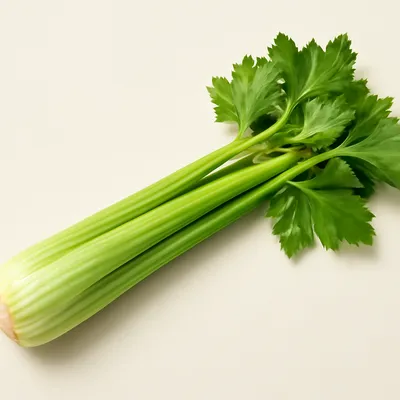
Poach the chicken: place 4 chicken breasts (about 800g) in a pot with 1.5L water + 1 onion (halved) + 1 carrot + 2 celery stalks + 2 bay leaves + 1 tsp salt. Bring to a simmer; cook 25 min until cooked through. Lift out chicken; cool slightly; shred into bite-sized pieces. Strain broth; reserve 500ml.
Watch outPull the chicken the moment it's just cooked through and shred while warm — boil it hard and the breast goes stringy and dry in the sauce.
- 232 min
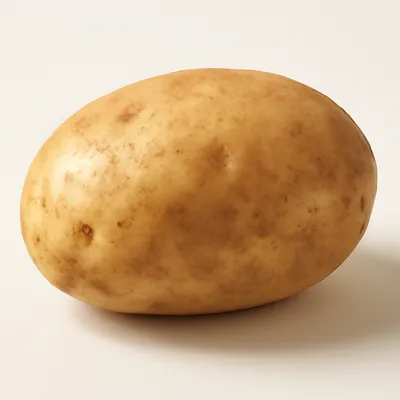
Boil 600g yellow waxy potatoes IN SKIN; cool slightly; peel; slice into 5mm rounds. Hard-boil 4 eggs (9 min); cool; peel; halve. Set both aside.
- 34 min
Make ají amarillo base: in a blender, combine 4 tbsp ají amarillo paste + 1/4 cup neutral oil + 1 cup of the reserved chicken broth. Blend until smooth-velvety. Set aside.
- 49 min
Make the sauce: in a heavy pot, sauté 1 large finely chopped onion + 4 minced garlic cloves in 3 tbsp neutral oil over medium heat, 8 min until soft and lightly golden.
- 55 min
Add the ají amarillo base to the pot; stir to combine. Cook 5 min over medium heat to develop the flavor.
Watch outLet the ají amarillo base fry in the oil until it darkens and smells deep and fruity — raw, it tastes flat and one-note.
- 68 min
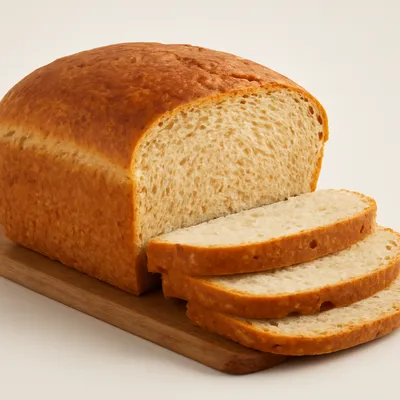
Add 4 slices stale white bread (crusts removed, broken into chunks) soaked in 200ml evaporated milk; mash and stir into the sauce. Add 1/2 cup chopped walnuts; stir. Add 200ml more evaporated milk + 1/2 cup grated parmigiano-reggiano. Stir over low heat 5 min until sauce is thick and creamy.
Watch outStir over low heat until the sauce coats the spoon thick and velvety — rush it on high and the milk breaks into grains.
- 712 min
Add the shredded chicken; gently fold into the sauce. Simmer 10 min over low heat to warm the chicken through and let flavors meld. Adjust salt and pepper. If sauce is too thick, thin with more chicken broth.
- 84 min
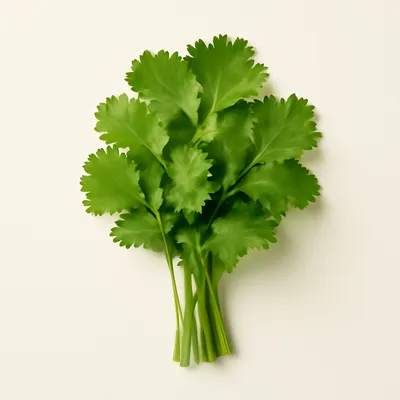
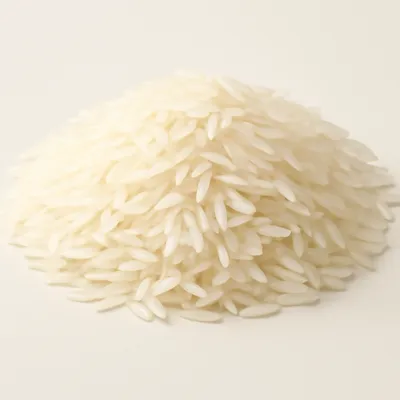
Plate: place 2-3 potato slices on each warm plate. Spoon a generous portion of ají de gallina over the potatoes. Spoon a side of white rice (about 1/2 cup per portion). Garnish with 2 halves of hard-boiled egg + 2-3 black olives (kalamata or aceitunas botija) + a sprig of cilantro. Serve immediately, hot, with a glass of Pisco Sour or chilled white wine.
Archive tool suggestions — not reviewed
These legacy suggestions have not been evidence-reviewed and are not presented as required tools.