Chupe de pescado is a hearty Peruvian fish chowder: chunks of white fish simmered in a milk-enriched broth with potato, choclo, rice and ají amarillo, often finished with queso fresco and a poached egg per bowl. It is thicker and creamier than a clear fish soup, a one-pot meal in itself. A year-round staple along the coast, it becomes a special-occasion dish across Peru during Lent, when meat is set aside and fish takes the table.


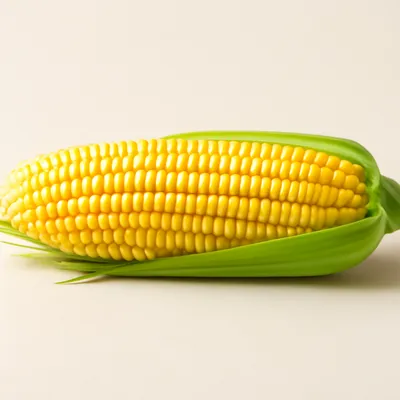
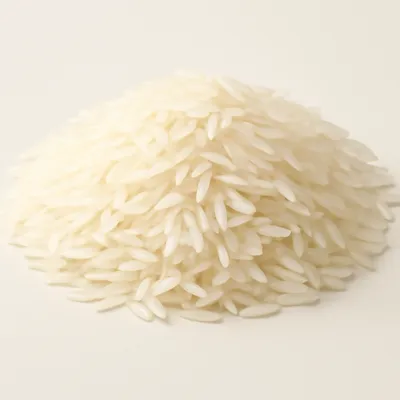


Chupe is the broad Peruvian word for a thick, milk-thickened chowder, applied to whatever the cook has — shrimp in Arequipa's famous chupe de camarones, fish along the wider coast. Like its shellfish cousin it is a mestizo dish: pre-Hispanic Andean ingredients (potato, corn, ají amarillo) fused with the milk, cheese and eggs the Spanish introduced from the 16th century. The fish version belongs to no single town but to the coast at large; the eggs are a later colonial addition, and its prominence at Lent reflects the Catholic calendar layered onto an older chowder tradition.
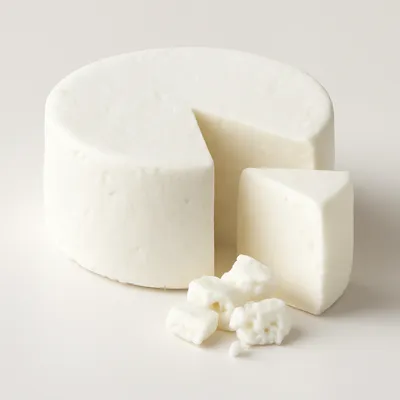
A bowl that eats like a meal: a creamy, gently spiced orange-tinged broth, thick with potato and soft rice, dotted with bright corn kernels and white chunks of queso fresco half-melting into the soup. The fish is flaky and tender, poached just through in the broth. Ají amarillo gives a fruity, mellow warmth rather than sharp heat; the milk rounds everything soft. Break the poached egg and its yolk loosens into the chowder, making it richer still.
The chowder's body comes from three thickeners working together: milk emulsifies into the broth for creaminess, the rice and potato shed starch as they cook, and the queso fresco partly melts to enrich it. The ají amarillo is sautéed at the start so its fruity flavor and orange color bloom into the fat before any liquid goes in. The fish is added late and only poached through, since white fish overcooks and falls apart fast; the milk goes in toward the end and is never hard-boiled, which would split it. The egg poaches in the hot soup and serves, yolk broken, as a second sauce.
Variations
A chupe de mariscos uses mixed seafood in place of plain fish; some cooks fold in evaporated milk for extra richness, or huacatay and oregano for a herbal note. Northern versions may add fava beans and squash, while leaner ones skip the cheese. The dish runs continuous with Arequipa's chupe de camarones, the same chowder built on river shrimp instead of fish.
On the Palate
Where Chupe de Pescado sits in the Peruvian flavor cloud
Ingredients
Serves 4

How it's made
7 steps · 30 min active + 15 min waiting
- 15 min
Cut white fish into large chunks, season with salt and set aside.
- 28 min
Sauté onion, garlic and ají amarillo paste in oil until fragrant and deep orange.
Watch outSaute the ají amarillo paste at the start until it blooms deep orange in the fat — its fruity flavor and color need to develop before any liquid goes in.
- 315 min
Add stock or water, the potato chunks, corn and rice, and simmer until the potato is nearly tender.
- 43 min
Stir in the milk and bring to a gentle simmer without boiling hard.
Watch outStir in the milk and keep it at a gentle simmer, never boiling hard — a hard boil splits the milk and clouds the chowder.
- 54 min
Slip in the fish chunks and poach just until cooked through, a few minutes.
Watch outSlip the fish in late and poach just until cooked through — white fish overcooks and falls apart in a couple of minutes.
- 64 min
Crack in the eggs to poach in the broth, or top each bowl with a separately poached egg.
- 72 min
Add chunks of queso fresco, check the salt, and serve at once while the yolks run.
Archive tool suggestions — not reviewed
These legacy suggestions have not been evidence-reviewed and are not presented as required tools.



