
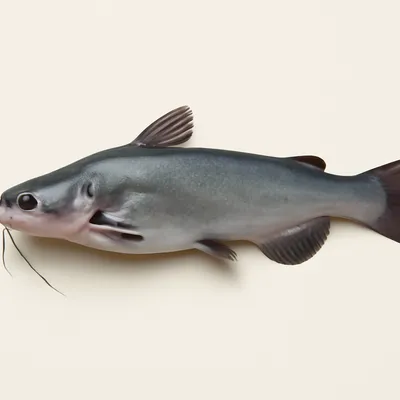
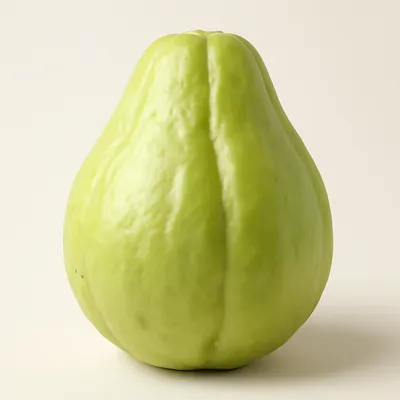
A clear, sour-bright catfish soup from the lakeside towns of Yuriria and the Lake Cuitzeo basin in Guanajuato's Bajío. Fresh lagoon bagre is poached in a light, tomato-tinged broth loaded with garden vegetables — carrot, chayote, potato, calabacita and cabbage — and soured with xoconostle, the tart fruit of the nopal cactus, plus a squeeze of lime at the table. Guajillo or fresh serrano lends a low warmth; epazote, cilantro and oregano carry the herb. The broth is built to stay clear and the fish handled gently, so the catfish arrives in tender flakes rather than shreds. It is eaten scalding hot with raw onion, lime wedges and warm tortillas.




Caldo de michi is a freshwater-lake dish of the central Mexican highlands, and the lacustrine basins of Guanajuato's Bajío — the Yuriria lagoon and neighboring Lake Cuitzeo — are one of its homes. The name puzzles outsiders: although the lake country straddles Guanajuato and Michoacán, michi is not from the state's name but from the Nahuatl michin, simply 'fish,' a reading the regional sources agree on. Fishing here is genuinely old. Archaeology around the basin shows indigenous communities — later the Purépecha (Tarascan) who expanded into the Bajío, and the Chichimec peoples who resisted them — living a settled lakeside life and harvesting the water long before contact, even though the present Yuriria lagoon is a 16th-century work, dammed under Fray Diego de Chávez to mirror the fishing economy already thriving at Cuitzeo. The soup itself layers eras: the lake fish and the indigenous souring fruit xoconostle are pre-Hispanic, while much of the garden — carrot, cabbage, the use of beer or bay in some kitchens — arrived with the Spanish. The better-documented 'classic' caldo de michi is claimed by La Barca on the Lake Chapala wetlands in Jalisco; the Yuriria version is the Bajío's own branch of the same lake-fishing tradition.
A wide bowl of broth so clear you can see the vegetables resting at the bottom, tinted only a soft coral by tomato, with pale flakes of catfish and a quarter of magenta-fleshed xoconostle bobbing among carrot coins and chunks of chayote. The first sip is light and savory, then the sour rushes in — bright and almost fruity from the xoconostle, sharpened by lime, the kind of acidity that lifts freshwater fish off its muddy floor. The catfish is buttery and just-set, the vegetables still holding shape. Epazote runs through it all as a resinous, faintly medicinal backbone, with the gentle heat of guajillo arriving late and low. Raw onion adds a sweet crunch; the tortilla, dipped, goes soft in the steam.
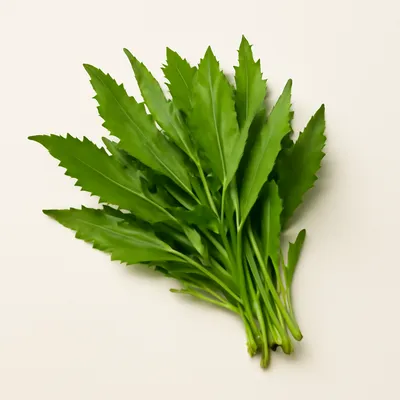
Two things make this soup work, and both are about restraint. First, the acid is load-bearing. Xoconostle — the deliberately sour fruit of Opuntia nopal, whose Nahuatl name means 'sour prickly-pear' — carries malic, citric and ascorbic acids, and a wedge or two simmered in the pot, finished with lime, does the real flavor work: that acidity neutralizes the earthy, slightly muddy geosmin notes typical of freshwater catfish, brightening the broth and 'cutting' the fish so it tastes clean rather than swampy. Second, the fish is poached, not boiled. Catfish flesh is delicate and gelatin-rich; a hard, rolling boil agitates and breaks it into shreds and clouds the broth, so the fish goes in late and cooks just below a simmer until the flakes turn opaque and barely set. The vegetables are softened first in their own gentle simmer so they finish together. Epazote, the keynote herb (epazotl, the 'pungent herb'), is the traditional partner for strong freshwater fish; added toward the end, it lends a piney, almost petrol-green note that masks any remaining muddiness without turning soapy from overcooking.
Variations
Kitchens vary the souring and the heat: where Yuriria cooks reach for xoconostle, some lean on green tomatillo, and a common Guanajuato turn drops in chiles güeros pickled in vinegar — escabeche jalapeños — for the tart-and-spicy lift instead. The chile may be dried guajillo for color and depth or fresh serrano for clean heat, and a splash of beer or a bay leaf turns up in some pots. The fish is almost always catfish, but carp and tilapia stand in when the lagoon yields them. Beyond the Bajío, the most documented caldo de michi belongs to La Barca and the Lake Chapala wetlands in Jalisco, where the same dish runs spicier and is just as tied to its lake.
On the Palate
Where Caldo de Michi sits in the Mexican flavor cloud
Ingredients
Serves 6
How it's made
8 steps · 35 min active + 35 min waiting
- 110 min
Clean the catfish and cut it into thick steaks across the bone; salt lightly and keep cold.
- 215 min
Toast the guajillo chiles briefly, then simmer with tomato, onion and garlic until soft and blend into a smooth base; strain.
- 35 min
Bring water to a gentle simmer with the strained tomato-chile base, the xoconostle quartered, and a little salt.
- 412 min
Add the firmer vegetables first — carrot, chayote and potato — and simmer until almost tender.
- 56 min
Add the quicker vegetables — calabacita and cabbage — along with a sprig of epazote and oregano.
- 610 min
Slip in the catfish steaks, lower the heat below a simmer, and poach gently until the flesh is just opaque and set.
Watch outSlip in the catfish and hold below a simmer — poach, don't boil; the delicate flesh breaks apart in a hard boil, so cook it just to opaque.
- 72 min
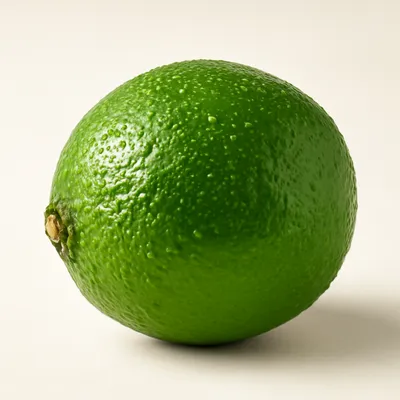
Taste and correct the salt and sourness; stir in chopped cilantro off the heat so it stays fresh.
Watch outThe xoconostle and lime are load-bearing — that sourness cuts the muddy freshwater-fish note; taste and correct so the broth reads clean, not swampy.
- 83 min
Ladle hot into bowls and serve with lime wedges, raw chopped onion and warm tortillas.
Archive tool suggestions — not reviewed
These legacy suggestions have not been evidence-reviewed and are not presented as required tools.


