
The Paloma is Mexico's everyday tequila highball: blanco tequila lengthened with grapefruit soda and fresh lime over ice, in a salt-rimmed glass. Far more common in Mexico than the Margarita, it is the long, fizzy, low-effort drink poured in cantinas and at home alike. The grapefruit's bitter edge and the lime's acid carry the tequila without burying it, and the soda keeps it tall and refreshing in the heat. A pinch of salt on the rim ties it together.

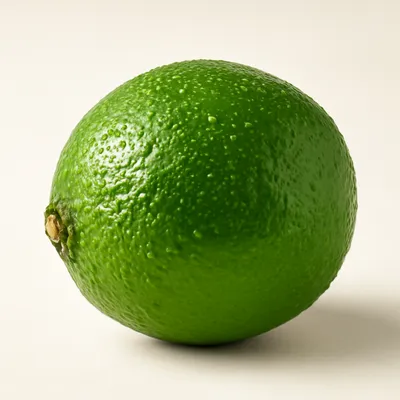


The Paloma's exact origin is undocumented and much disputed. It is often linked to Don Javier Delgado Corona of La Capilla, a famed cantina in the town of Tequila, Jalisco, but he reportedly denied inventing it. What is clearer is the role of Squirt, the American grapefruit soda introduced to Mexico in the 1950s, which locals mixed with tequila almost from the start; by the 1970s the brand was advertising the pairing outright. The drink coalesced under the name Paloma — Spanish for 'dove' — in references only from around the 1990s, by which point it was the house pour of cantinas around Guadalajara. Its beginnings are best treated as folk and untraceable rather than the work of any one bartender.
First the salt on the lip, then a long cold rush of grapefruit — bittersweet and slightly tart — riding fizz up the glass. The tequila sits just behind it, green and peppery, never dominant. Fresh lime sharpens the whole thing and keeps the soda's sweetness in check. It drinks tall, light and bracing, the kind of glass you can nurse on a hot afternoon. The bubbles fade as the ice melts, leaving a softer, more diluted but still pleasantly bitter finish.
The Paloma works on contrast: grapefruit's bitterness sets off tequila's vegetal sweetness, and the soda's carbonation lifts both as aroma. The salt rim does real chemical work — sodium ions suppress the tongue's perception of bitterness and amplify sweet and sour, so a rimmed Paloma reads as balanced where an unrimmed one can taste harshly bitter. Building it over ice in the glass, rather than shaking, keeps the carbonation alive; shaking would flatten the fizz. Fresh lime is what separates a good Paloma from a flat, oversweet one made with soda alone, adding the acid that the sweet grapefruit soda lacks.
Variations
The quick version uses bottled grapefruit soda (Squirt, Jarritos, or Mexican Fresca); the craft version builds it from fresh grapefruit juice, lime, a little agave or simple syrup, and plain soda water. Some add a splash of mezcal for smoke, or a Tajín rim for chili-salt heat. Sparkling-wine and sotol variants exist, and a sliced grapefruit or lime wheel is the usual garnish. Strength and sweetness vary widely by hand and house.
On the Palate
Where Paloma sits in the Mexican flavor cloud
Ingredients
Serves 1How it's made
5 steps · 5 min
- 11 min
Rub a lime wedge around the rim of a tall glass and dip it in salt.
Watch outSalt the rim — the sodium suppresses grapefruit's bitterness and lifts the sweet-sour, so an unrimmed Paloma can taste harshly bitter.
- 21 min
Fill the glass with ice.
- 31 min
Squeeze in fresh lime juice and add the blanco tequila.
- 41 min
Top with chilled grapefruit soda and stir once, gently, to keep the fizz.
Watch outAdd the soda last and stir just once, gently — shaking or over-stirring flattens the fizz that lifts the whole drink as aroma.
- 51 min
Garnish with a grapefruit or lime wheel and serve cold.
Archive tool suggestions — not reviewed
These legacy suggestions have not been evidence-reviewed and are not presented as required tools.


