
Sangrita is the tangy chaser sipped alongside a glass of straight tequila in Jalisco — not mixed in, but taken in alternating sips. The traditional Lake Chapala version is built on Seville-orange, lime and pomegranate juice sharpened with chili, bright and sour rather than tomato-heavy. It is poured into a narrow caballito to match the tequila glass beside it: a swallow of clean agave spirit, then a swallow of cold, fruity, peppery sangrita to reset the palate. The name means 'little blood,' for its red color.
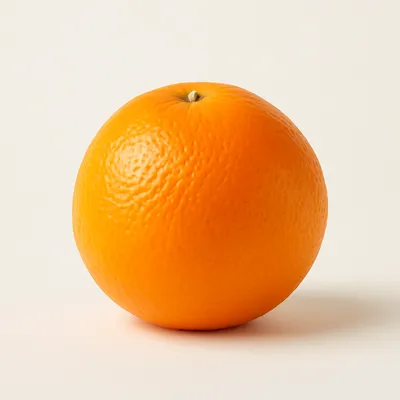
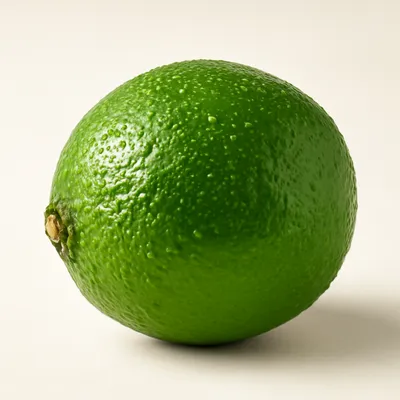
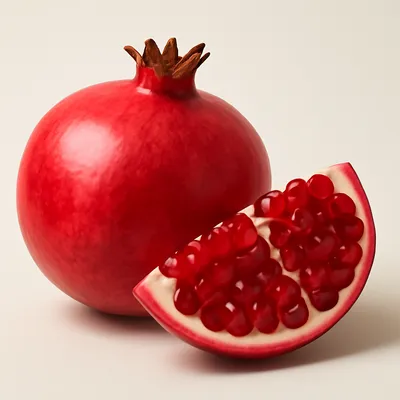


Sangrita arose in the state of Jalisco in the early twentieth century, tied to the tequila country around Lake Chapala. By the common account it grew out of thrift: the spiced, citrusy juice left in the bowl after a chili-dusted fruit salad — a pico de gallo of orange and jícama — was poured off into a small clay cup and drunk with tequila. The first commercial bottling, Sangrita de la Viuda de Sánchez ('the Widow Sánchez'), was launched in 1957 by Edmundo Sánchez Nuño from his family's Chapala recipe, the 'widow' being his mother, who had run the family cantina; José Cuervo acquired the brand in 1970 and carried it abroad. The tomato-forward, Bloody-Mary-like sangrita common outside Mexico is a later commercial drift from the original citrus base.
Cold, thin and bright red, it hits sour first — lime and bitter orange — then a low sweet-tart fruitiness from the pomegranate, then a slow chili burn that builds across sips. There is little or no tomato in the traditional version, so it tastes of citrus and pepper, not vegetable juice. Against a mouthful of clean blanco tequila the contrast is the whole point: the spirit's warmth, then the chaser's cold acid and heat scrubbing the palate so the next sip of tequila lands fresh. It should make you want the next sip of both.
Sangrita is a palate-cleanser engineered by contrast and chemistry. The citric acid of lime and orange and the chili's capsaicin both stimulate salivation, which clears the lingering ethanol heat and agave oils from the tongue between sips of tequila, so the spirit keeps tasting clean rather than building into a burn. Sweetness from the fruit and a little sugar rounds the sour and tempers the chili. Serving it cold, in a separate glass and never mixed, is deliberate: the alternation of warm spirit and cold chaser is the experience. No cooking is involved — the juices are simply blended, seasoned and chilled to let the flavors marry.
Variations
The pure Chapala style is all citrus and pomegranate with chili; the widely sold and exported style adds tomato or Clamato for a Bloody-Mary body and color. Heat comes from ground piquín, fresh serrano or a few dashes of hot sauce, and many cooks finish with a pinch of salt and a little sugar to balance. It is the standard partner for a 'bandera' (flag) service — a shot of tequila, a shot of sangrita and a glass of fresh lime juice, red, white and green like the Mexican flag.
On the Palate
Where Sangrita sits in the Mexican flavor cloud
Ingredients
Serves 4How it's made
5 steps · 10 min active + 5 min waiting
- 15 min
Juice the Seville (or regular) oranges, limes and pomegranate.
- 21 min
Combine the juices in a jug.
- 32 min
Season with ground chili, a pinch of salt and a little sugar to taste.
Watch outTaste as you season: you want sour and chili up front with just enough sugar and salt to round them, not a sweet juice.
- 42 min
Stir well and chill thoroughly so the flavors marry.
Watch outChill it hard and long — a lukewarm sangrita fights the cold tequila instead of refreshing between sips.
- 51 min
Pour into narrow caballito glasses and serve cold beside a glass of straight tequila.
Archive tool suggestions — not reviewed
These legacy suggestions have not been evidence-reviewed and are not presented as required tools.


