
The Cantarito is a Jalisco tequila cooler built from tequila, the juices of lime, lemon and orange, and grapefruit soda, served in a salt-rimmed unglazed clay cup. The cup gives the drink its name and much of its character: the porous, earth-fired clay keeps the contents cold and lends a faint mineral, terracotta note you cannot get from glass. Tall, citrus-forward and lightly fizzy, it is the cooler of choice in Jalisco's heat — close kin to the Paloma but built on a fuller spread of citrus.
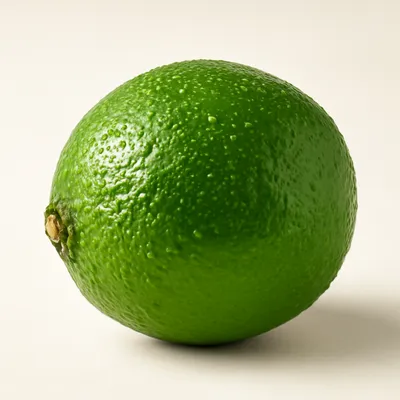
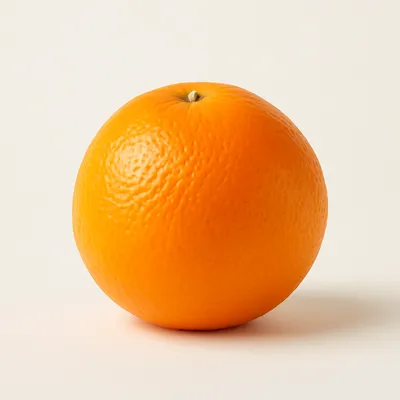


The Cantarito takes its name from the cántaro, the small unglazed clay jug long thrown by Jalisco's potters; cantarito is its diminutive. By local lore the drink dates to the early twentieth century, though no firm record fixes a date or inventor, and the modern citrus-soda recipe is plainly later than tequila's own commercial spread. It became widely known from the 1970s onward, prized by visitors for its presentation and its survival of the heat, and is now associated with roadside stands along the highway out of Guadalajara toward Tequila — most famously Cantaritos El Güero, open since the late 1990s. Its precise beginnings are best left as folk tradition rather than asserted as fact.
Salt first, then a cold flood of mixed citrus — lime sharp, orange sweet, grapefruit bitter — all at once, lifted by soft fizz. The tequila threads through green and warm without taking over. The clay cup is cool to the lip and faintly earthy, and as you drink it keeps the contents colder than glass would. It eats tart and juicy and long, the citrus sweetness pulling against the lime's bite. Toward the bottom the soda flattens and the orange comes forward, sweeter and rounder.
Two things make the Cantarito more than a Paloma. First, the citrus is layered — lime for sharp acid, lemon for brightness, orange for round sweetness — giving a fuller spread than grapefruit alone. Second, the cup is functional, not just decorative: unglazed terracotta is porous, so a little liquid wicks into the clay and evaporates from the outer surface, and that evaporation draws heat away and keeps the drink cold in subtropical heat, the same physics as a clay water-pot. The fresh clay also gives off a mild petrichor-like mineral aroma that flavors the first sips. As with the Paloma, the salt rim suppresses bitterness and balances the citrus.
Variations
Proportions of the three citrus juices vary by stand, as does the soda — Squirt or another grapefruit pop, sometimes a splash of orange soda. Rims run from plain salt to chamoy and Tajín for sweet-sour-chili heat. Some versions float a little extra fresh grapefruit; large clay jugs are sold to share. The cup is meant to be reused or kept, and a slice of orange and lime is the standard garnish balanced on the rim.
On the Palate
Where Cantarito sits in the Mexican flavor cloud
Ingredients
Serves 1How it's made
5 steps · 8 min
- 12 min
Rub the rim of an unglazed clay cup with lime and dip it in salt.
Watch outServe it in a fresh unglazed clay cup — the porous terracotta wicks liquid and cools by evaporation to keep the drink cold, and the raw clay lends the mineral, petrichor-like aroma that flavors the first sips.
- 22 min
Squeeze fresh lime, lemon and orange juice into the cup.
- 31 min
Add ice and pour in the blanco tequila.
- 41 min
Top with chilled grapefruit soda and stir once gently.
- 52 min
Garnish with orange and lime slices on the rim and serve cold.
Archive tool suggestions — not reviewed
These legacy suggestions have not been evidence-reviewed and are not presented as required tools.


