
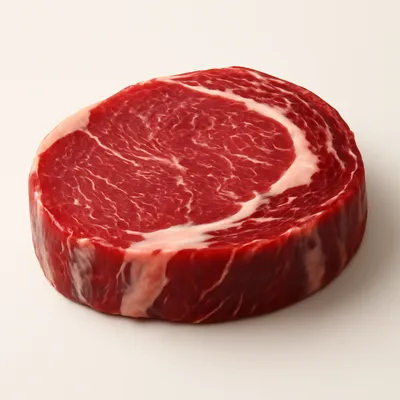
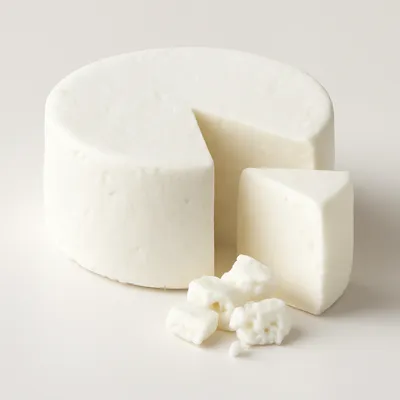
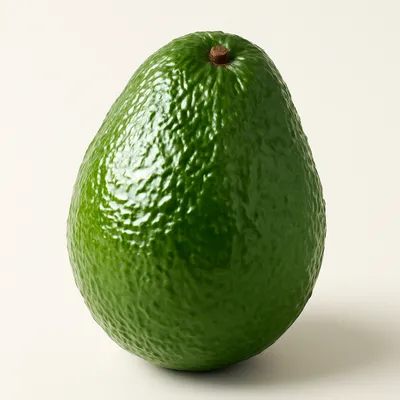
Beef sliced into a single continuous paper-thin sheet, rubbed with salt, and dried in the open mountain air until it firms but stays supple, then seared on a hot comal. From the town of Yecapixtla in eastern Morelos, this is the salt-cured cecina that the rest of Mexico measures all others against — a whole round of beef opened out like a ribbon, no thicker than a few millimeters. It is eaten griddled until the edges crisp, folded into tortillas with cream, fresh cheese, avocado, and a green or red salsa.


Yecapixtla, a town at the foot of the Popocatépetl volcano in eastern Morelos, has made salted dried beef since the colonial period, when Spanish cattle ranching took hold in the warm valleys below the highland. The technique itself is older than the beef: pre-Hispanic peoples of central Mexico dried and salted meat — the Nahuatl word is the root of the salt-cured tradition — and the Spanish grafted European butchery and beef onto it. By the time the town's parish and Augustinian convent were established in the sixteenth century, the surrounding ranches supplied the meat, and over generations Yecapixtla's butchers refined the long-sheet cut and dry cure into a town specialty. Today the town's market is lined with cecina stalls, and the trade is recognized across Mexico as the regional benchmark; an annual Feria de la Cecina celebrates it.
Off the comal the meat is thin enough to crisp at the edges and curl, with a deep beefy savor concentrated by the cure and a clean salinity that stops well short of jerky-hard — it stays tender and pliant in the middle. The salt has driven the flavor inward so each bite is fuller than the slimness suggests, with a faint tang from the open-air drying. Rolled in a warm tortilla with cool crema, crumbled cheese, and avocado, the contrast is the whole point: hot crisp salty meat against soft cool dressing.
Salt-curing works by osmosis: rubbed onto the thin sheet, it pulls water out of the muscle and lowers the water activity enough to inhibit spoilage while the meat air-dries, so the flavor that remains is concentrated beef rather than diluted. The cut is the craft — a butcher walks a knife through a whole round, unrolling it spiral-fashion into one even sheet a few millimeters thick, which both dries fast and cooks in seconds. Because it is already cured and barely thick, the comal's job is only a quick high-heat sear: the Maillard reaction browns the surface and crisps the edges before the thin meat can toughen.
Variations
The plain salted version is the Yecapixtla classic; a chile-rubbed cecina enchilada coats the sheet in adobo for a red, spicier cut. Pork is cured the same way and sold side by side, and the related Oaxacan tasajo is the same idea in another state. It is the centerpiece of a cecina plate with rice, beans, nopales, and cream, and a common filling for tacos and quesadillas.
On the Palate
Where Cecina de Yecapixtla sits in the Mexican flavor cloud
Ingredients
Serves 4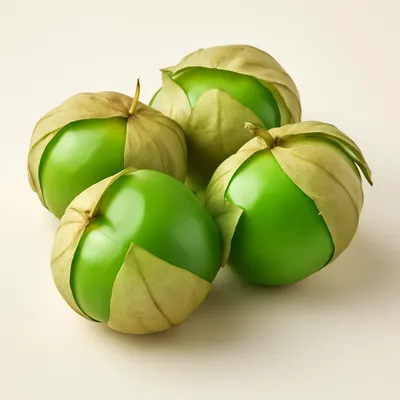

How it's made
7 steps · 40 min active + 1 day 23 hours 30 min waiting
- 115 min
Have a butcher cut a whole round of beef into one continuous sheet a few millimeters thick, or butterfly and pound thin sheets at home.
- 25 min
Rub the sheet evenly all over with coarse salt.
- 32820 min
Hang or lay the salted beef in a cool, airy, shaded place to dry until the surface firms but the meat stays pliable, ideally most of a day or longer.
Watch outDry only until the surface firms and looks dry but the sheet still bends without cracking — not stiff like jerky.
- 45 min
Heat a comal or heavy griddle until very hot.
- 55 min
Sear the cecina briefly on each side until the edges crisp and brown, just seconds per side.
Watch outThe comal must be smoking-hot so the edges crisp and brown in seconds; a cooler surface just dries the meat out.
- 65 min
Warm corn tortillas on the same comal.
- 75 min
Serve the cecina folded into tortillas with crema, crumbled fresh cheese, sliced avocado, and salsa.
Archive tool suggestions — not reviewed
These legacy suggestions have not been evidence-reviewed and are not presented as required tools.


