
Folded, baked shortcrust pastries from Real del Monte and Pachuca in Hidalgo — the Mexican descendant of the Cornish pasty. A round of wheat-flour dough is filled, folded into a half-moon, and sealed with a crimped edge before baking until golden. The original filling is papa con carne — diced potato and ground beef with onion and parsley — but the paste has since branched into many savory fillings (mole, tinga, beans, tuna) and sweet ones (pineapple, sweetened rice, blackberry, fruit with cheese). They are eaten warm, out of hand, as a snack.

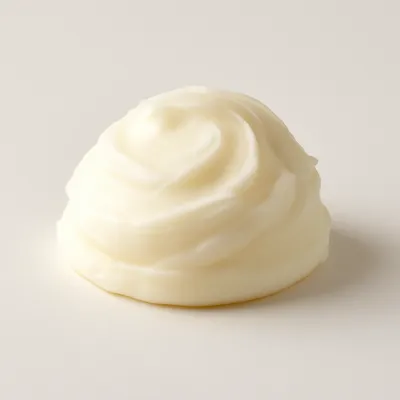
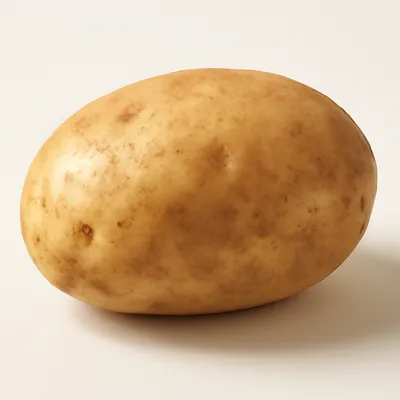
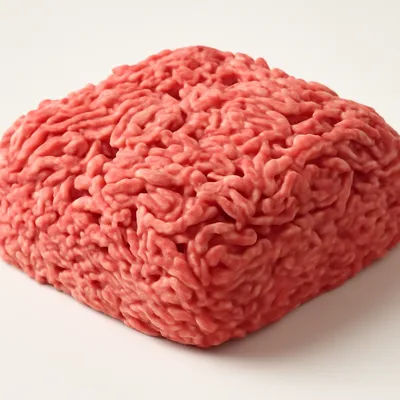


From 1824, English investors reopened the silver mines of Real del Monte (Mineral del Monte) and recruited miners and engineers from Cornwall, who brought the Cornish pasty with them; the Spanish name paste comes directly from the Cornish and English pasty (in turn from Old French paste). In Cornwall the pasty was the miner's lunch — beef, potato, swede and onion in a folded crust whose thick crimped edge served as a disposable handle, so a hand soiled underground would not touch the part that was eaten. Transplanted to Hidalgo, it became the paste, a town emblem of Real del Monte: the place holds an annual Festival Internacional del Paste, begun in 2009, and opened a Museo del Paste in 2011.
A burnished, flaky shortcrust that shatters at the first bite, giving way to a hot, savory filling of soft potato and seasoned beef laced with onion and parsley. The crimped seam runs thick and sturdy down one side — the old miner's handle. Sweet versions break the same way but spill warm pineapple, cinnamon-scented rice pudding, or dark blackberry instead.
Like its Cornish parent, the paste is assembled with the filling raw and baked in one go, so the potato and beef cook gently in the sealed crust, holding their juices rather than drying out. The shortcrust works by coating flour in fat (lard or butter) so that gluten cannot fully form, yielding a tender, crumbly rather than chewy pastry; an egg wash gives the baked surface its gloss and color. The crimp is structural as well as historic — folding and pinching the edge welds the two halves so steam stays in and the filling does not leak.
Variations
The papa con carne (potato and ground beef) paste is the original; common savory siblings include mole, tinga, beans and tuna. Sweet pastes are now a Real del Monte signature: pineapple, sweetened rice (arroz con leche), apple, blackberry, and fruit paired with cheese. The dish remains close kin to the Cornish pasty, which holds EU PGI status as 'Cornish pasty.'
On the Palate
Where Pastes sits in the Mexican flavor cloud
Fill it raw and crimp it tight: the potato and beef must cook slowly inside a sealed crust so they steam in their own juices, and a loose seam lets that moisture leak out and dries the pasty.
Ingredients
Serves 6

How it's made
8 steps · 40 min
- 120 min
Make a shortcrust: rub cold lard or butter into flour with salt until sandy, then bind with cold water into a firm dough and rest it.
- 215 min
Make the filling: dice raw potato small, mix with raw ground beef, finely chopped onion, parsley, salt and pepper.
- 310 min
Roll the dough thin and cut into rounds about the size of a small plate.
- 48 min
Mound the filling onto one half of each round, leaving a clear border.
- 510 min
Fold the dough over into a half-moon and crimp the edge tightly into the signature rope seam.
Watch outPinch the rope seam firm and unbroken all along the edge — any gap will open and leak once the steam builds.
- 65 min
Brush the tops with beaten egg and set on a baking tray.
- 740 min
Bake at 200°C until the crust is deep golden and the filling is cooked through, about 35 to 40 minutes.
Watch outBake until the crust is deep golden all over and a skewer meets soft potato inside — pale crust means the raw filling isn't done.
- 85 min
Rest briefly, then serve warm.
Archive tool suggestions — not reviewed
These legacy suggestions have not been evidence-reviewed and are not presented as required tools.


