


Hidalgo
Barbacoa: maguey-wrapped pit-roast lamb.
Barbacoa
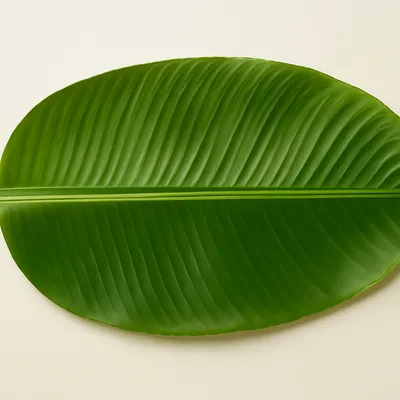
Lamb wrapped in maguey leaves and steamed for hours in an earthen pit, served with the rich consomé caught from its own drippings — Hidalgo's defining dish.
View page →Hidalgo, in the highlands just north of Mexico City, is maguey country — the spiky agave that fed this land long before the Spanish arrived, yielding pulque, the milky fermented sap drunk here for millennia. Its signature is barbacoa: lamb wrapped in roasted maguey leaves and slow-cooked overnight in an earth pit until it falls apart, eaten on weekends with the rich consommé that drips down as it cooks. The maguey turns up everywhere — in mixiotes, chile-marinated meat steamed in packets cut from the plant's papery skin, and in ximbó, an Otomí dish of seasoned meat sealed inside a whole agave leaf and buried in coals. The land also gives up two pre-Hispanic delicacies prized to this day: escamoles, the buttery ant larvae sautéed with epazote, and chinicuiles, the red maguey worm. Hidalgo's strangest chapter is Cornish: when miners from Cornwall came to work the silver at Real del Monte in the 1800s, they brought the pasty, which became the paste — a folded, baked wheat pastry now sold all over the state, filled with everything from the original potato-and-meat to mole or rice pudding.
The Palate
Start Here
Lamb wrapped in roasted maguey leaves and slow-cooked overnight in an earth pit until it pulls apart, served with the rich consommé caught beneath it.
Why start here · It is Hidalgo's defining dish, and the clearest taste of how the local agave shapes everything cooked here.
A folded, baked wheat pastry brought by Cornish silver miners and made Mexican — sealed with a crimped edge and filled with anything from potato-and-meat to mole.
Why start here · Nowhere else in Mexico tastes so plainly of British mining heritage, and the paste is now a true Hidalgo street staple.
The pale, buttery larvae of the maguey ant, sautéed in butter with epazote — a pre-Hispanic delicacy of the highlands.
Why start here · Often called Mexican caviar, it is one of the country's most storied edible insects and pure highland tradition.
The Pantry




See all 45 ingredients›







Fruits



Grains & Staples






Sauces & Condiments


How They Cook
Techniques that define this cuisine
See 5 more techniques›
Other regions
Siblings within Mexican — each its own tradition.
