
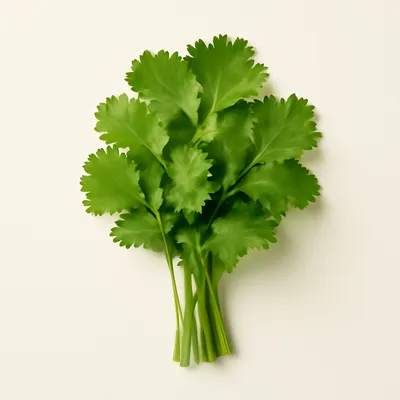
The iconic weekend pit-roast of central Mexico, most closely identified with the state of Hidalgo and its Valle del Mezquital. Lamb (borrego) — cut into shoulder, ribs and backbone — is seasoned, wrapped in roasted maguey (agave) leaves, and lowered into a stone-lined earth pit set over a pot that catches the dripping juices. The pit is sealed with earth and the meat steams for six to twelve hours, often overnight, emerging fall-apart tender. It is served in hand-pressed corn tortillas with the prized consomé (the broth from the catch-pot, cooked with chickpeas and rice), salsa borracha, chopped onion and cilantro.





The pit-roasting technique is pre-Hispanic and Mesoamerican, but the lamb that defines Hidalgo barbacoa is not: sheep were introduced to mainland Mexico by the Spanish in the early-to-mid 16th century, after which mutton, beef and goat joined the older repertoire of turkey, deer and game. Barbacoa de borrego is therefore a colonial-era synthesis — an indigenous earth-oven method applied to a European animal. The word itself entered Spanish from the Taíno (Arawak) language of the Caribbean, where it named a wooden framework of sticks built over a fire; recorded by Spanish chroniclers in the early 16th century, it is the direct ancestor of the English word barbecue. Within Hidalgo, the town of Actopan is widely called la cuna de la barbacoa, the cradle of the dish, and holds an annual barbacoa fair.
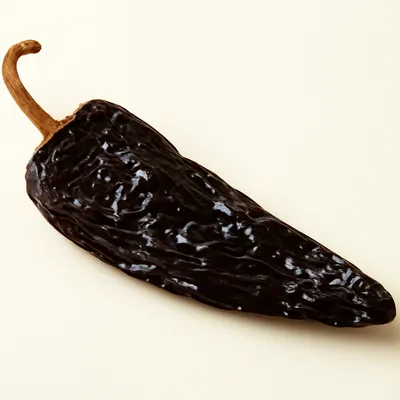
The lamb pulls into moist, faintly smoky strands, soft enough to shred under a fork yet still distinct — never paste — and carries a vegetal, lightly sweet note from the maguey leaf it steamed in. Spooned into a warm blue-corn tortilla with a ladle of the deep, fat-glossed consomé, then brightened with raw onion, cilantro and a spoonful of salsa borracha, whose ground pasilla chiles and pulque give it a smoky, faintly boozy edge. Pulque, the fermented agave drink of which Hidalgo is the leading producer, is the traditional accompaniment.
This is steaming, not dry roasting: the sealed pit traps the moisture the meat and leaves release, holding a humid heat over many hours that breaks down the lamb's connective tissue into gelatin. The maguey leaves are first toasted over flame (tatemado) until pliable, which keeps them from tearing and lends a faint smoke; as they heat they give off moisture and aromatic compounds, lending the meat an earthy, vegetal sweetness. The genius of the layout is the catch-pot set beneath the meat: every drop of rendered fat and juice falls into a broth of chickpeas, rice, onion and chile, so nothing is lost — the meat above and the consomé below cook from the same drippings.
Variations
Within the central highlands (Hidalgo, the State of Mexico, Tlaxcala, Puebla) the lamb-in-maguey method is shared. Northern Mexico instead makes barbacoa de cabeza, a whole cow's head, or cabrito (kid goat); Oaxaca braises goat or lamb in a chile adobo. The same family in Hidalgo also yields ximbó (meat sealed inside a whole maguey leaf) and the offal preparations pancita and mixiote. Tex-Mex 'barbacoa' is a separate border form, typically beef cheek or head, not the lamb-in-leaf pit dish.
On the Palate
Where Barbacoa sits in the Mexican flavor cloud
Ingredients
Serves 10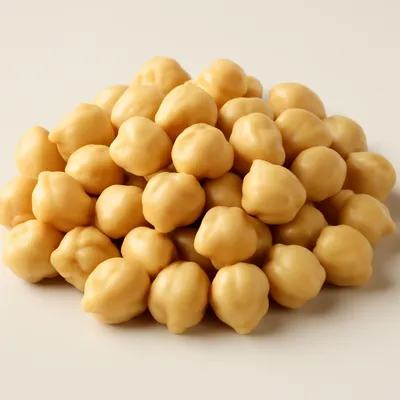


How it's made
9 steps · 1 hour
- 190 min
Dig and prepare an earth pit: build a hardwood fire in it and heat stones at the bottom until they glow, or fully preheat a heavy lidded pot or steamer if cooking indoors.
- 215 min
Toast the whole maguey leaves over an open flame until softened and pliable, turning so they char lightly without burning through.
Watch outThe leaves are ready when they soften and bend without cracking and just char at the edges.
- 320 min
Season the lamb pieces — shoulder, ribs and backbone — with salt and, if desired, a light chile-garlic rub, then wrap them in the toasted maguey leaves.
- 415 min
Set a pot beneath the meat charged with water, chickpeas, rice, sliced onion, garlic and guajillo chile to catch the drippings for the consomé.
- 510 min
Lay a grate or more maguey leaves over the catch-pot, arrange the wrapped lamb on top, and cover the bundle completely with leaves.
- 6540 min
Seal the pit with a lid and earth (or cover the pot tightly), trapping the steam, and cook undisturbed for six to twelve hours, often overnight.
Watch outDo not lift the lid while it cooks; every peek lets the steam and heat escape.
- 720 min
Meanwhile make salsa borracha by toasting and grinding pasilla chiles with garlic, then loosening with pulque and oil.
- 815 min
Open the pit, lift out the lamb, and shred it; skim and season the consomé from the catch-pot.
Watch outThe lamb is done when it shreds apart at a fork with no resistance.
- 910 min
Serve the shredded lamb in warm corn tortillas with the consomé alongside, topped with onion, cilantro and salsa borracha.
Archive tool suggestions — not reviewed
These legacy suggestions have not been evidence-reviewed and are not presented as required tools.



