
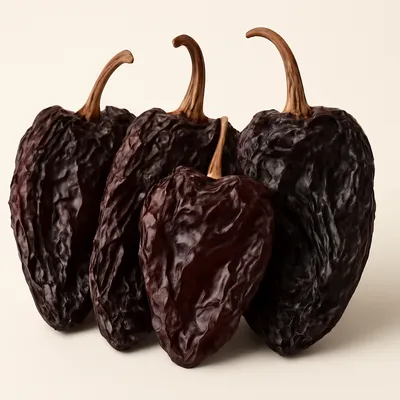
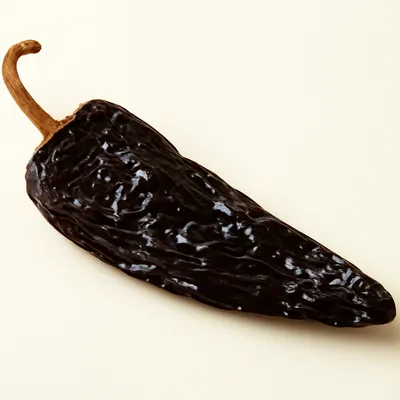
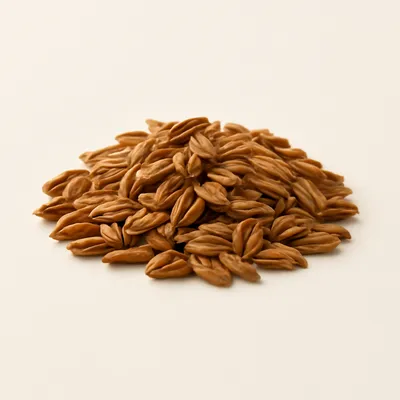
Chile-adobo-marinated meat steamed in small sealed packets, a central-highland dish of Hidalgo and Tlaxcala. The packet — and the dish's name — comes from the mixiote: the thin, semi-transparent cuticle peeled from the surface of the maguey (agave) leaf. Meat, traditionally lamb (also rabbit, chicken or pork), is coated in an adobo of dried guajillo, ancho and pasilla chiles with garlic, cumin and avocado leaf, bundled into the membrane, tied at the top, and steamed until tender. Because harvesting the membrane can kill the maguey, it is now regulated, and many cooks wrap mixiotes in parchment paper instead.



The technique is pre-Hispanic: wrapping seasoned food in maguey membrane and steaming it in an earth oven or steamer was known to the indigenous peoples of the central highlands, and the bundles were tied with maguey fiber and cooked over heated stones. The lamb that now most often fills them is a later layer — sheep arrived only with the Spanish — so the modern mixiote, like Hidalgo barbacoa, pairs an indigenous method with a European meat. The name is Nahuatl, from metl ('maguey') and xiotl ('the film or membrane of the leaf'). To protect the agave, the stripping and sale of the membrane is restricted under Mexican conservation norms and banned outright in several states, which is why parchment-wrapped mixiotes have become the everyday form.
Untying the hot packet releases a burst of chile-and-cumin steam over meat that steamed in its own juices, fall-apart soft and stained deep red by the adobo. The flavor is earthy and layered — dried-chile sweetness, garlic, the faint anise of avocado leaf — with no char, since the meat never touched fire. Wrapped in genuine maguey membrane, there is a subtle herbaceous, agave note the parchment version lacks.
The sealed packet is a steaming pouch: it traps the adobo and the moisture the meat gives off, so the meat braises in its own marinade and stays moist while the chile flavor concentrates rather than washing away in a pot of liquid. Dried chiles for the adobo are toasted and soaked before blending, which deepens their flavor and lets them coat the meat. The genuine maguey cuticle adds an aromatic, faintly sweet agave note as it heats; parchment seals the juices just as well but contributes no flavor of its own. The bundles are most often cooked in a stovetop steamer (vaporera), or pit-steamed alongside barbacoa.
Variations
By meat: mixiote de borrego (lamb) is the classic Hidalgo-Tlaxcala version, alongside rabbit (conejo), chicken (pollo), pork and beef. Diced nopales are often tucked in with the meat, and there are fish, mushroom and other vegetable versions. It belongs to the same Hidalgo maguey-cookery family as barbacoa and ximbó; mixiotes are frequently served at barbacoa tables.
On the Palate
Where Mixiotes sits in the Mexican flavor cloud
Ingredients
Serves 6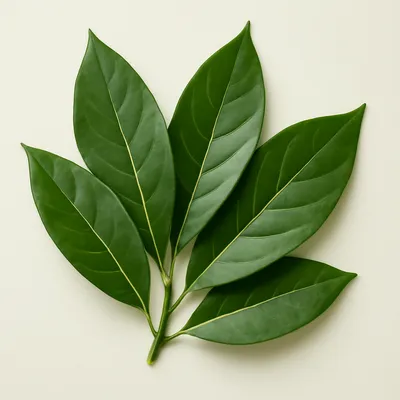


How it's made
8 steps · 40 min
- 110 min
Toast the dried guajillo, ancho and pasilla chiles briefly, then soak them in hot water until soft.
Watch outToast the dried chiles briefly before soaking — a quick toast deepens their flavor, but push it and the adobo turns bitter.
- 210 min
Blend the soaked chiles with garlic, cumin, a little vinegar and salt into a smooth adobo.
- 3120 min
Cut the lamb into chunks and coat thoroughly in the adobo, tucking in a piece of avocado leaf; marinate at least two hours.
- 410 min
Soften the maguey membranes (or cut squares of parchment paper) to use as wrappers.
- 58 min
Place a portion of marinated meat (and a few strips of nopal, if using) onto each wrapper.
- 610 min
Gather the wrapper up around the meat into a pouch and tie the top tightly with string.
Watch outTie each pouch tightly at the top — a loose seal lets the marinade escape and the meat steams dry instead of braising in its own juices.
- 7110 min
Arrange the packets upright in a steamer over simmering water and steam until the meat is fork-tender, about 1.5 to 2 hours.
Watch outSteam upright 1.5 to 2 hours until fork-tender — the sealed packet keeps it moist while the chile flavor concentrates.
- 85 min
Serve the packets unopened, to be untied at the table, with warm tortillas and salsa.
Archive tool suggestions — not reviewed
These legacy suggestions have not been evidence-reviewed and are not presented as required tools.



