
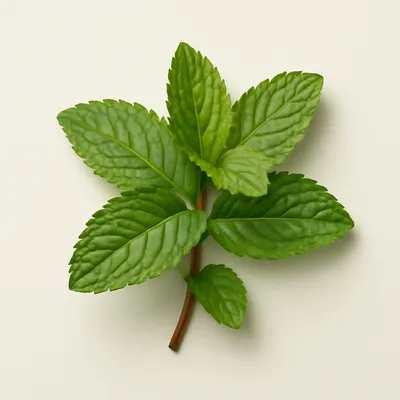
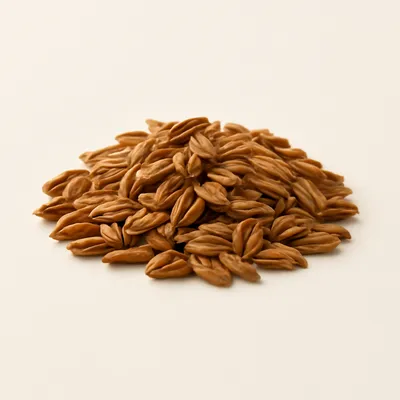
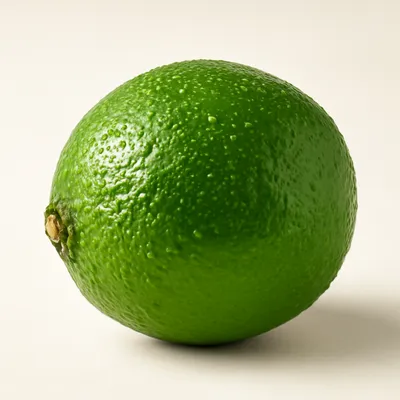
Patra ni Machhi is a Parsi (Zoroastrian) steamed-fish dish from western India, an auspicious preparation almost always served at weddings and navjote (initiation) feasts. Fillets or whole pomfret are coated in a fresh green chutney of grated coconut, coriander, mint, green chilli, garlic and cumin sharpened with lime, then each piece is wrapped in a banana leaf and steamed until just cooked. The Gujarati name means 'fish in a leaf' (patra = leaf, machhi = fish), and despite sharing the word patra it is unrelated to the Gujarati colocasia-leaf snack of the same name.




Patra ni Machhi is documented as a celebration dish of the Parsi community of western India — Zoroastrians settled around Gujarat and Mumbai — for whom steamed fish coated in green chutney is a standard item on the bhonu (the multi-course banquet) at weddings and navjotes, fish being regarded as an auspicious food. The name is plain descriptive Gujarati, patra (leaf) and machhi (fish). It is worth distinguishing from the Gujarati dish also called Patra, an entirely different snack of spiced gram-flour paste spread on colocasia (taro/arbi) leaves, rolled and steamed; this Parsi dish shares only the word for 'leaf'.
The leaf is opened at the plate, releasing a grassy steam of coriander and coconut. The fish underneath is white, moist and just-set, never browned, flaking cleanly off the bone. The green coat is herbaceous and bright, with the sharp lift of lime and green chilli and a sweet note from the coconut. It is light and clean on the tongue, eaten warm with a squeeze of lime and plain rice or pao.
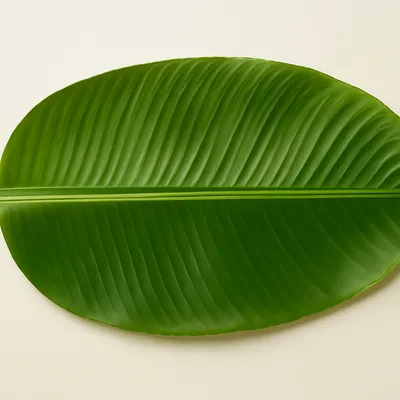
Steaming inside the banana leaf is the whole technique. The wrapped parcel cooks the fish gently in its own moisture and that of the chutney, so the flesh stays moist and just-set rather than drying out as it would over direct heat, and the green chutney never browns — it keeps the raw, bright green of fresh coriander and chlorophyll. The banana leaf is briefly warmed first so it turns pliable and seals around the fish; held against the flesh, it traps the chutney's aromatic oils and lends a faint grassy fragrance of its own. Lime juice and salt in the marinade lightly firm the surface of the fish before it goes in.
Variations
Pomfret is the classic fish, but rawas (Indian salmon) and surmai (kingfish/seer) are common substitutes, and the parcels can be steamed in a steamer or laid in a covered pan. Where banana leaf is unavailable, the fish is sometimes wrapped in foil instead. The same green coconut-coriander chutney is used across Parsi seafood, and the dish sits beside other festive Parsi mains such as sali boti on the wedding bhonu.
On the Palate
Where Patra ni Machhi sits in the Indian flavor cloud
Ingredients
Serves 4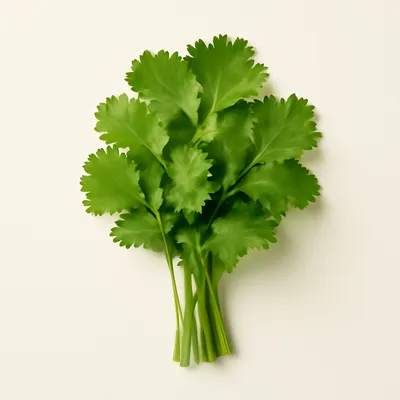
How it's made
6 steps · 30 min
- 115 min
Clean the pomfret, cut into pieces or leave whole with slits, and marinate with lime juice and salt for 15 minutes.
- 210 min
Grind the grated coconut, coriander, mint, green chilli, garlic and cumin with a little lime juice and sugar into a thick green chutney.
- 35 min
Coat the fish generously with the green chutney on all sides.
- 48 min
Warm the banana leaf pieces briefly over a flame until pliable, then wrap each fish piece into a parcel and secure.
Watch outWarm the banana leaf over a flame only until it turns pliable — heat it too long and it dries brittle and cracks when you fold the parcel.
- 518 min
Arrange the parcels in a steamer and steam over simmering water until the fish is just cooked through.
Watch outSteam just until the fish is barely set through — the parcel keeps it moist and the green chutney bright, but overcook and the fish dries and the sauce dulls.
- 63 min
Rest a couple of minutes, then open the parcels at the table and serve warm with lime and plain rice.
Archive tool suggestions — not reviewed
These legacy suggestions have not been evidence-reviewed and are not presented as required tools.


