
Ennai Kathirikai is a Tamil home-style braise of small, tender brinjals slit into a deep cross and packed with a freshly roasted, freshly ground masala of peanuts, sesame, coconut, coriander, cumin, and dry red chili. The stuffed eggplants are slow-cooked in plenty of oil, often with onion and a slug of tamarind, until they collapse into a thick, glossy, nutty-sour gravy. The name says exactly what it is: ennai is oil, kathirikai is brinjal. Cooked looser with more tamarind water it becomes Ennai Kathirikai Kuzhambu, a sit-down gravy; cooked down dry it is a rich side. It is eaten with hot rice, idli or dosa, biryani, or chapati.
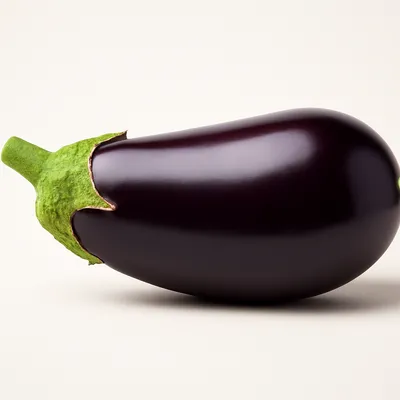


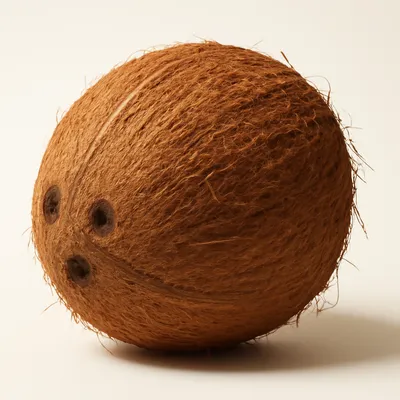

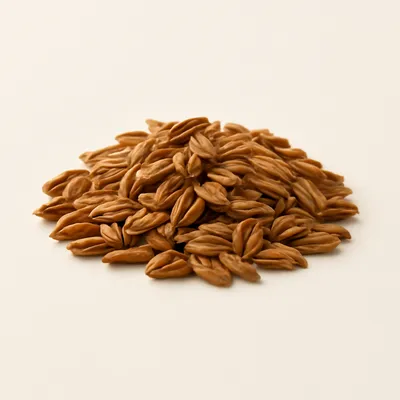
Ennai Kathirikai belongs to the everyday cooking of Tamil Nadu rather than to any single cook or dated kitchen. It is most often tagged Chettinad, after the Chettiar trading community of the state's arid southeast whose pantry leans on dry-roasted spices, sesame oil, and tamarind, but the dish is made in Tamil homes well beyond Chettinad and shades into the wider South Indian family of stuffed baby eggplants. Close cousins ring the Deccan: Andhra's Gutti Vankaya, Hyderabad's Bagara Baingan, Maharashtra's Bharli Vangi, and Karnataka's Ennegayi all slit a small brinjal and pack it with a ground peanut-sesame-coconut masala, then cook it sour. Each tastes distinct because the spice ratios, the souring agent, and the gravy base differ from kitchen to kitchen and region to region. No origin date or inventor is recorded; this is folk technique passed down at the stove.
The brinjals arrive slumped and shining under a film of separated oil, so soft they break at the press of a spoon. Inside, the roasted stuffing has melted into the flesh: a creamy, faintly grainy paste that reads nutty from the peanut and sesame, sweet-fatty from coconut, warm from coriander and cumin, with a low chili heat behind it. The gravy is thick, dark, and unabashedly oily, and the tamarind cuts straight through that richness with a clean sour edge. Mopped up with rice or torn dosa, each bite is silky eggplant, crunch-turned-paste seeds, and sour-spicy oil.
The flavor is built before the eggplant is even touched. Dry-roasting the peanuts, sesame, and coconut runs Maillard browning and toasts their oils, which deepens the aroma and, just as importantly, lets the released fats grind into a smooth, creamy paste rather than a dry powder; that fat is what makes the finished stuffing rich and binds it into the eggplant flesh. The generous oil is not just for mouthfeel: fat is the solvent for the fat-soluble aromatics in chili, coriander, and cumin, carrying them through the dish, and a deep oil bath braises the dense, spongy brinjal soft and even without scorching the sugary skin the way a dry pan would. Tamarind's acidity does the cutting work, brightening the heavy nut-and-oil base and balancing any sweetness from the coconut. Long, low simmering finishes it: the eggplant cells collapse, the masala thickens the gravy, and the oil separates and floats, the traditional sign the kuzhambu is done.
Variations
The dish slides along a spectrum from dry to saucy. Cooked down tight it is a thick side; loosened with more tamarind water and onion it becomes Ennai Kathirikai Kuzhambu, a pourable gravy for rice. Stuffings vary by household: some add chana dal or toor dal for body, fenugreek for a bitter-aromatic note, or black pepper for Chettinad heat. The South Indian cousins are distinct dishes: Andhra's Gutti Vankaya leans on a lentil-and-peanut masala in a hot-sour onion gravy; Hyderabad's Bagara Baingan adds jaggery for a sweet-sour Mughlai balance; Maharashtra's Bharli Vangi uses goda masala and is often less oily; Karnataka's Ennegayi is its own jaggery-tinged take. Many cooks finish with a tadka of mustard seeds, curry leaves, and asafoetida.
On the Palate
Where Ennai Kathirikai sits in the Indian flavor cloud
Ingredients
Serves 4

How it's made
8 steps · 20 min
- 18 min
Slit each baby brinjal from the bottom into a deep cross, keeping the stem end intact so it holds together; drop the cut brinjals into salted water to stop browning.
- 210 min
Dry-roast the peanuts, sesame seeds, coconut, coriander seeds, cumin, and dry red chilies separately over medium heat until fragrant and golden, then cool and grind to a thick, slightly coarse paste with a little water.
Watch outDry-roast the peanuts, sesame and coconut until fragrant and golden before grinding — the toasted oils are what let them grind into a smooth, creamy paste; raw, they grind dry and powdery and the stuffing won't bind.
- 35 min
Pack the ground masala firmly into the slits of each brinjal, reserving any leftover paste for the gravy.
- 46 min
Heat a generous pour of sesame oil in a heavy pan, crackle the mustard seeds and curry leaves, then add sliced onion and cook until soft and golden.
- 55 min
Lay the stuffed brinjals in the pan in a single layer and turn them gently in the oil for a few minutes to seal and color all sides.
- 63 min
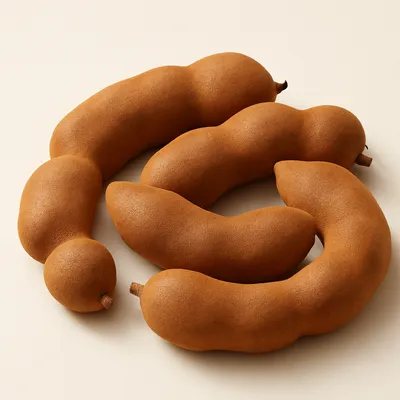
Stir in the reserved masala and the tamarind extract with a cup of water, season with salt, and bring to a simmer.
- 715 min
Cover and cook on low heat, turning the brinjals occasionally, until they are completely soft and collapsing and the gravy has thickened.
- 85 min
Simmer uncovered for a final few minutes until the oil separates and floats to the surface, then rest off the heat before serving with rice or dosa.
Watch outSimmer uncovered at the end until the oil separates and floats up — that risen oil is the doneness sign; it means the brinjals are soft through and the gravy properly reduced.
Archive tool suggestions — not reviewed
These legacy suggestions have not been evidence-reviewed and are not presented as required tools.


