The most revered dish of Kodava (Coorg) cuisine: a dark, semi-dry pork curry whose near-black color and sharp tang come from kachampuli, a homemade vinegar pressed from the Garcinia gummi-gutta fruit of the Western Ghats. It is the festive centerpiece of Kodava feasts and is eaten with rice dumplings or rice noodles.




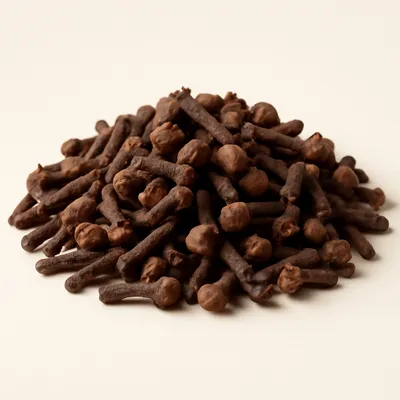
Pandi curry is the signature dish of the Kodava people of Coorg (Kodagu), the hill district of southwestern Karnataka. Its roots lie in the community's older life as a warrior and hunting people of the Western Ghats forests, where wild boar was a principal hunted food; the domesticated version of the dish descends from that catch. The ingredient that defines it is kachampuli, a dark, tart vinegar made by reducing and fermenting the juice of the Garcinia gummi-gutta fruit that grows wild in the Coorg forests. Kachampuli served two old purposes in a pre-refrigeration hill economy: it preserved the meat in the curry, and its acid was believed to cut the richness of the pork fat. The curry's other signature is the 'black masala,' a blend of dry-roasted spices — coriander, cumin, black pepper, mustard, fenugreek, clove — roasted dark until they lend the dish its deep color and roasted depth. Pandi curry is served at Kodava weddings and festivals, always alongside a Kodava rice accompaniment such as kadambuttu (rice dumplings) or noolputtu (rice noodles).
Dark, glossy, intensely savory pork with a sharp, fruity tang and a deep, smoky, roasted-spice heat that lingers.
The color and tang are both kachampuli's doing. The vinegar's hydroxycitric and acetic acids lower the curry's pH sharply, which has two effects: they brighten the palate with a clean sourness, and they slow the growth of spoilage microbes — the old reason this curry kept in a hill kitchen without cooling. The dark, near-black color comes from the dry-roasted black masala: roasting the spices past the point of fragrance drives their Maillard browning and caramelization deep, so the ground paste carries color rather than the bright reds of a lightly roasted masala. Long, covered cooking of the bone-in pork gelatinizes its connective-tissue collagen into gelatin at around 70–80°C, giving the curry its rich, glossy, slightly sticky sauce without any added thickener, while the rendered pork fat carries the spice aromatics through the whole dish.
Variations
Wild-boar versions are richer and gamier; some Kodava kitchens add fried boondi for texture, and the curry is also made with chicken or mushrooms for those who do not eat pork.
On the Palate
Where Pandi Curry sits in the Indian flavor cloud
Ingredients
Serves 5

How it's made
6 steps · 20 min
- 16 min
Dry-roast coriander, cumin, black pepper, mustard, fenugreek, clove, and dried red chili until dark and fragrant, then grind to a paste.
Watch outRoast the spices past fragrant, until dark — that deep roast is what gives pandi curry its near-black color rather than a bright-red masala.
- 28 min
Heat oil or rendered pork fat, add chopped onions, and fry until deep brown.
- 36 min
Add ginger-garlic paste and the ground masala and cook until the oil separates.
- 44 min
Add the pork pieces, turmeric, and salt, and stir to coat them in the masala.
- 525 min
Cover and cook on low heat until the pork is tender, adding water only as needed.
- 66 min
Finish with a splash of kachampuli (or a dark vinegar substitute) and simmer briefly to let the sourness and dark color deepen.
Watch outAdd the kachampuli at the end and simmer briefly — its acid brightens the pork and deepens the dark color; boil it long and it turns flat.
Archive tool suggestions — not reviewed
These legacy suggestions have not been evidence-reviewed and are not presented as required tools.