
Royyala Iguru is a thick, near-dry prawn curry from coastal Andhra Pradesh. Prawns are cooked down in an onion-tomato base heavy with Guntur red chili, ginger-garlic and a roasted, ground masala of coriander, cumin, pepper and cloves, until the gravy reduces to a clinging, oil-glossed coat rather than a sauce. The Telugu word iguru describes exactly this style — a semi-dry curry simmered until the masala wraps the main ingredient. It is fiercely hot, deeply savory from the prawns, and eaten with steamed rice or as a side to a larger meal.


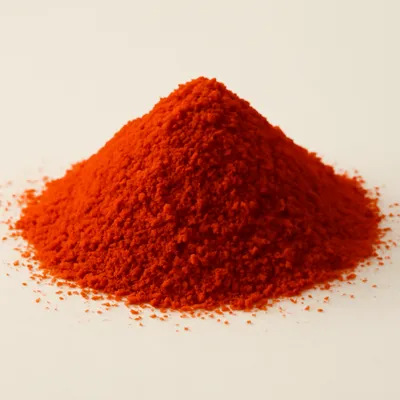

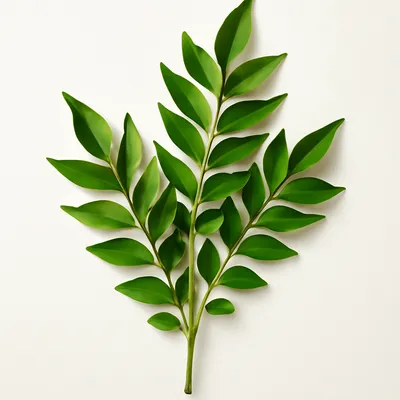

Iguru (also spelt eguru) is a cooking style of Andhra and Telangana rather than a single recipe — a meat or seafood curry simmered down until almost dry, distinct from the thinner, tangy pulusu and the gravied kura. Royyala Iguru is the prawn version, at home along the Andhra coast and the Godavari and Krishna delta belts where prawns are abundant. It is regional home and meal-house cooking with no recorded inventor; its heat reflects Andhra Pradesh's position as India's leading red-chili producer, with Guntur chili the local default. The roasted-spice masala marks it as an iguru rather than a coconut-based coastal curry.
Plump prawns sit in a dark, brick-red masala that barely pools — it clings to each piece in an oily, spice-flecked coat. The first hit is Guntur chili heat, broad and unrelenting, with a peppery edge behind it; under that runs the sweet brininess of the prawns and the toasted depth of the ground masala. The texture is thick and chunky, not saucy. Eaten with plain rice, every grain picks up the clinging masala; the prawns stay just-firm and snap when bitten.
An iguru is built on reduction: the onion-tomato base is cooked down until the water cooks off and the sugars in the onion lightly caramelise, concentrating flavor and giving body without coconut or cream. The dry-roasted whole spices are ground fresh so their toasted, fat-soluble aromatics coat the prawns directly. Prawns are added late and cooked only briefly — their protein sets fast, and overcooking turns them rubbery, so they go in once the masala is nearly done and come off the heat the moment they curl and turn opaque. The high proportion of chili powder is tamed by the long-cooked onion base and the oil that separates out, which carries the fat-soluble heat and aroma.
Variations
The same iguru method is applied across proteins: Kodi Iguru (chicken), Mamsam Iguru (mutton) and Royyala Iguru (prawns), while Royyala Vepudu is the even drier, fully fried version. Coastal cooks may add a little tamarind for a tangy edge or finish with fresh coriander; some Godavari-belt versions fold in gongura (roselle) for sourness. A wetter take with more gravy crosses into pulusu or kura territory.
On the Palate
Where Royyala Iguru sits in the Indian flavor cloud
Ingredients
Serves 4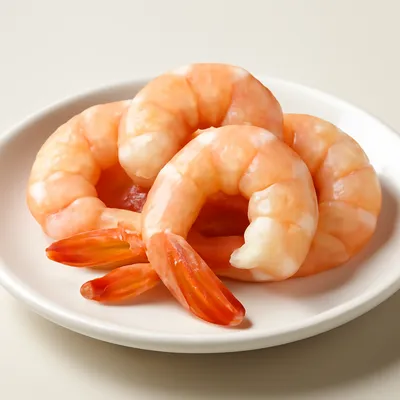


How it's made
6 steps · 20 min
- 110 min
Clean and devein the prawns, pat dry, and marinate briefly with turmeric, salt and a little chili powder.
- 28 min
Heat oil and saute finely chopped onions until soft and golden, then add ginger-garlic paste and cook off the raw smell.
- 38 min
Add chopped tomato, Guntur chili powder, coriander and cumin powder, pepper and a little salt; cook down to a thick masala as the oil separates.
Watch outCook the onion-tomato base down until it thickens and the oil separates out — that reduction is the body of an iguru, which uses no coconut or cream.
- 42 min
Stir in the prawns and toss to coat in the masala over medium-high heat.
- 53 min
Cook just until the prawns curl and turn opaque and the gravy reduces to a clinging coat, a few minutes only.
Watch outCook the prawns just until they curl and turn opaque — a few minutes only; push them further and they go rubbery.
- 61 min
Finish with fresh curry leaves and coriander, and serve hot with steamed rice.
Archive tool suggestions — not reviewed
These legacy suggestions have not been evidence-reviewed and are not presented as required tools.


