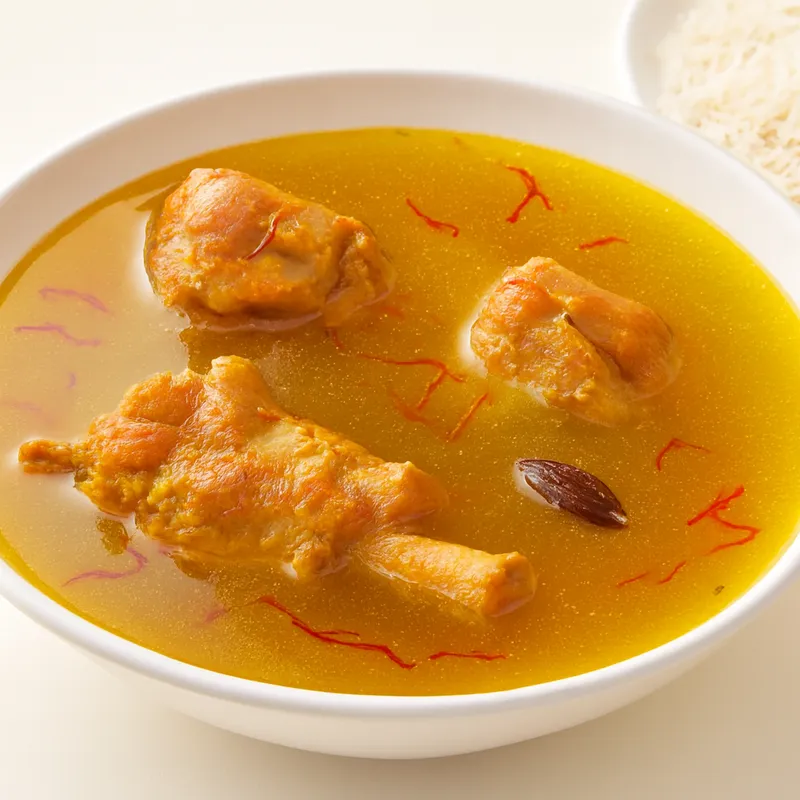
The everyday Konkani vegetable stir-fry of the Mangalore coast: any seasonal vegetable — beans, cabbage, breadfruit, or Chinese potato — is tempered with mustard seed, dry red chili, and curry leaf, cooked dry, and finished with fresh grated coconut. Minimal, bright, and the backbone of a Konkani meal.




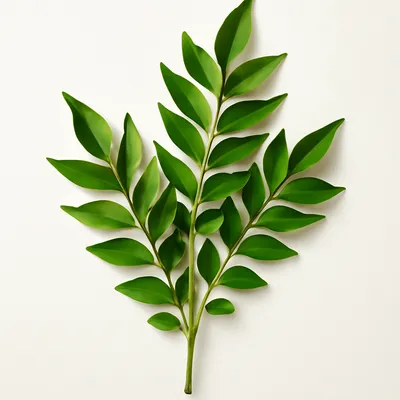

Upkari (upakari) is the everyday vegetable preparation of the Konkani-speaking communities of coastal Karnataka — chiefly the Gaud Saraswat Brahmins — and it is the most common form a vegetable takes in a Konkani meal. The word covers a method rather than a single dish: any seasonal vegetable (green beans, cabbage, cauliflower, breadfruit, Chinese potato, ridge gourd) is cut, tempered in coconut oil with mustard seeds, dry red chili, and curry leaves, cooked in its own moisture with a little salt, and finished with a generous handful of fresh grated coconut. It is the vegetarian counterpart of the coastal kitchen's fish preparations, built on the same tempering base, and it relies on the abundance of both coconut and the year-round vegetables of the coast. Because it carries no gravy, no spice paste, and almost no oil beyond the tempering, upkari is the dish that most plainly shows off the vegetable itself — which is why the Konkani kitchen prizes the freshest produce for it.
Clean, slightly crunchy vegetable in a thin gloss of coconut oil, sparked with mustard seed and dry chili, with a fresh, sweet burst of grated coconut.
The technique preserves the vegetable's texture by adding almost no water. Cutting the vegetable small and tempering it in hot coconut oil coats each piece with a thin layer of fat that slows moisture loss; cooking covered then steams the vegetable in its own released water, so the cell walls soften but do not collapse, keeping a slight bite. The tempering's hot oil carries the lipid-soluble pungency of cracked mustard and the terpenes of curry leaf; the dry red chili added whole contributes capsaicin without spreading it through the dish, so the heat stays gentle and punctuated. Fresh grated coconut folded in at the end provides both a fresh, sweet contrast and a textural crunch, because its shredded cell walls are still intact — it is added raw so its delicate aromatics do not cook off.
Variations
Breadfruit (jeev kadgi) upkari is a coastal delicacy; a version with raw banana is a staple, and some add a teaspoon of sugar to balance the heat.
On the Palate
Where Upkari sits in the Indian flavor cloud
Ingredients
Serves 4How it's made
6 steps · 10 min
- 13 min
Cut the chosen vegetable into uniform, small pieces.
- 23 min
Heat coconut oil and crackle mustard seeds, then add dry red chilies and curry leaves.
- 36 min
Add the vegetable, a little salt, and a splash of water, then cover and cook until just tender.
Watch outAdd only a splash of water and cover — the vegetable steams in its own moisture so it softens but keeps a slight bite; too much water and it goes limp and waterlogged.
- 43 min
Uncover and cook off any remaining moisture so the vegetable is dry and glossy.
Watch outUncover and cook off every bit of leftover moisture until the vegetable is dry and glossy — that's when it's done, not swimming in liquid.
- 52 min
Fold in fresh grated coconut and remove from the heat.
- 62 min
Serve warm as a side with rice and dal.