Karnataka's everyday lemon rice: cooked rice is folded into a hot tempering of mustard, urad dal, chana dal, curry leaf, and peanut, then dressed with fresh lemon juice and turmeric. Golden, tangy, and fragrant, it travels well and is the classic lunchbox and temple-food rice of the Kannada country.
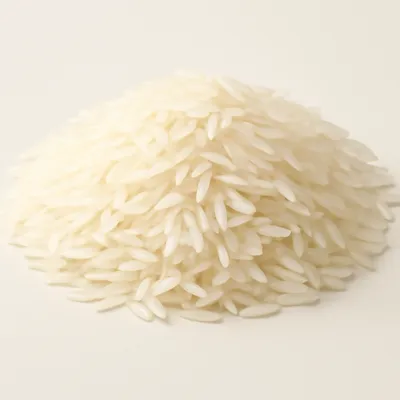
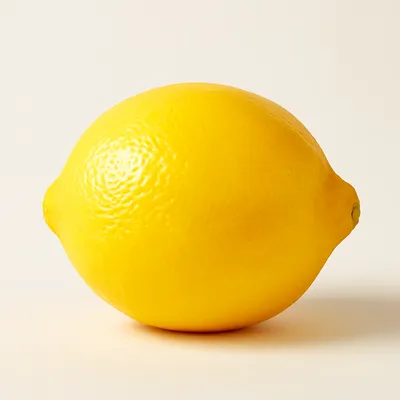


Chitranna (nimbehannu chitranna) is a Karnataka rice preparation whose name describes its look: in Kannada chitranna means 'colorful rice,' and nimbehannu is lemon — the dish is cooked rice turned golden with turmeric and tart with lemon, dressed with a tempering of mustard, lentils, curry leaves, and peanut. It belongs to the South Indian family of 'mixed rice' (chithrannam) dishes — yogurt rice, tamarind rice, and lemon rice — that are built on yesterday's rice and a tempering, a practical way of stretching leftover cooked grain into a complete dish. The lemon is added raw and off the heat so its citric acid and volatile aromatics survive, which is why chitranna stays bright and fresh-tasting even after hours in a tiffin box. The peanut, a Deccan staple, supplies crunch and fat; the tempering of lentils supplies a soft, nutty contrast. It is everyday Kannada home and temple food, made for travel and for festivals alike.
Bright, tangy rice with the soft crunch of fried lentil and peanut, a warm turmeric glow, and a fresh citrus lift at the end.
Two choices define the dish. First, the tempering is done in hot oil because its key aromatics are lipid-soluble: mustard seed's pungency, curry leaf's terpenes, and the chili's capsaicin all need fat to carry them, and they volatilize within seconds of hitting the heat, which is why the tempering is poured hot over the rice. Second, the lemon is added off the heat: its citric acid brightens the rice, but its delicate top-note volatiles evaporate instantly in boiling water, so stirring the juice in only after the pan is off the flame preserves the fresh-lemon character. Turmeric colors the rice because its curcumin is fat-soluble and disperses through the tempering oil, and its slight earthiness balances the lemon's sharpness. The fried peanuts and lentils stay crunchy because they were already cooked dry in oil; mixed into the rice, their low water activity keeps them crisp.
Variations
A coconut chitranna folds in fresh grated coconut; some add chopped raw mango in season for double tang, and the Mysore style uses more curry leaves and peanuts.
On the Palate
Where Chitranna sits in the Indian flavor cloud
Ingredients
Serves 3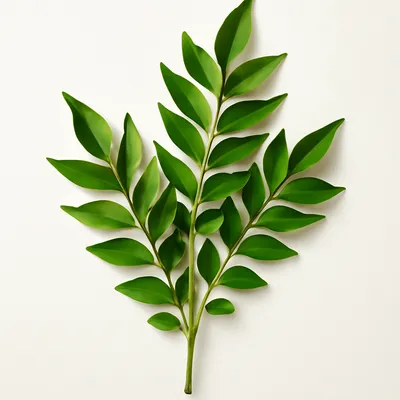

How it's made
6 steps · 10 min
- 13 min
Cook rice so the grains remain separate, then cool and fluff it.
Watch outCook the rice so the grains stay separate, then cool and fluff it — warm or clumped rice turns the finished dish sticky and pasty.
- 24 min
Heat oil and crackle mustard seeds, chana dal, urad dal, dried red chili, and curry leaves.
- 34 min
Add raw peanuts and fry until golden.
- 42 min
Stir in turmeric and a pinch of asafoetida, then turn the heat off.
Watch outTurn the heat off before adding the lemon — its bright top note evaporates instantly over the flame, leaving only a dull sourness.
- 52 min
Add fresh lemon juice and salt to the tempering, then fold the cooked rice through.
- 62 min
Adjust salt and lemon to taste and serve warm or at room temperature.


